World Heritage Photos

Royal Monastery of Santa María de Guadalupe

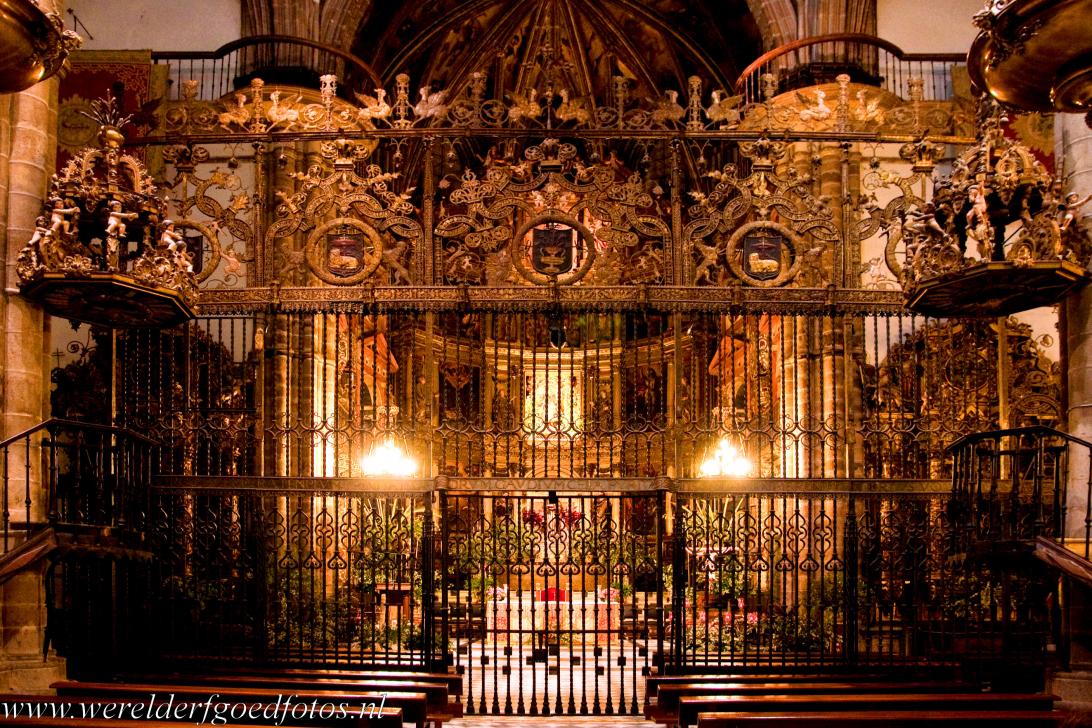
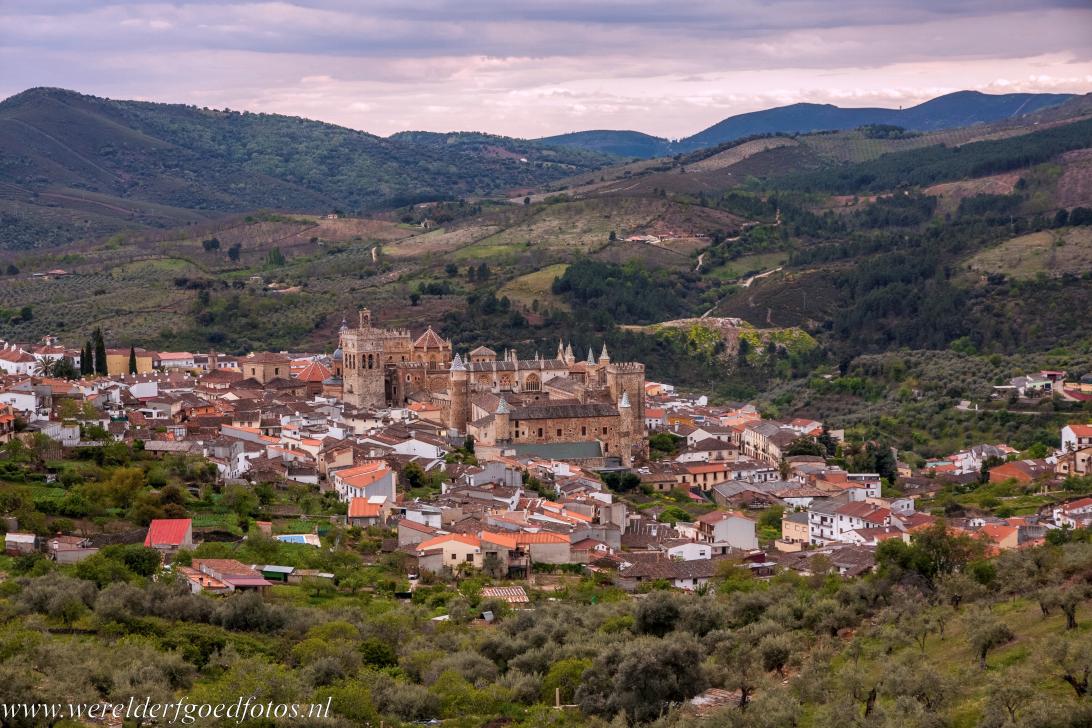
The Royal Monastery of Santa María de Guadalupe in Spain was built on the site where a statue of the Virgin Mary was found on the banks of the River Guadalupe. Initially, a small chapel was built to house this statue; later, the chapel evolved into a monastery. The construction of the monastery began in 1340. In 1389, the Hieronymites, a notable Catholic monastic order, took over the project and converted it into their religious centre. Completed in the 18th century, the monastery is a true masterpiece of several architectural styles, including the Renaissance and Neoclassical styles. The monastery church was built in the Gothic style and the cloister in the Mudéjar style. The statue of the Virgin Mary was named 'Our Lady of Guadalupe' and is enshrined in the Camarín de la Virgen, a Baroque chapel positioned above and behind the high altar in the church. The Monastery of Guadalupe was the most important monastery in Spain for more than four centuries. The Royal Monastery of Guadalupe symbolizes two events in the history of Spain: the end of the Reconquista of the Iberian Peninsula in 1492 and the arrival of Christopher Columbus in the Americas in the same year. For centuries, it has been a major Christian pilgrimage destination in Spain, just like the Cathedral of Santiago de Compostela, the most renowned Christian pilgrimage destination in Spain. This royal monastery is situated in Guadalupe, a small town in the province of Cáceres. The town is nestled in the foothills of the Sierra de Altamira, a mountain range in the rural Extremadura region. The Royal Monastery of Santa María de Guadalupe was declared a UNESCO World Heritage Site in 1993.

www.werelderfgoedfotos.nl   © Copyright   World Heritage Photos
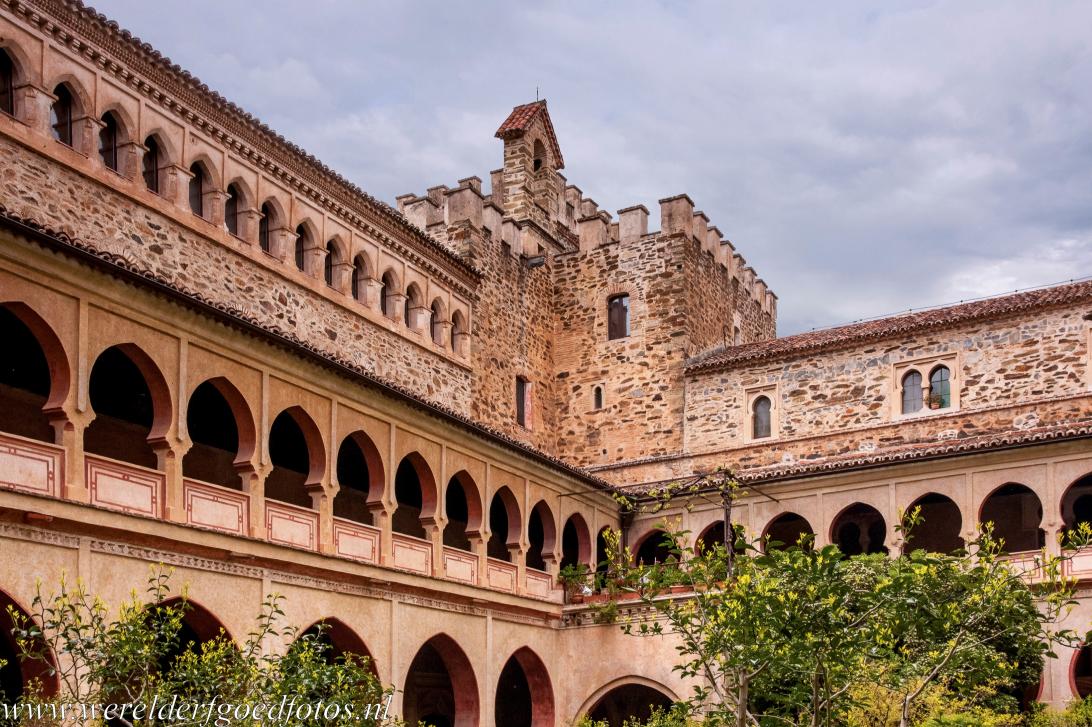
Royal Monastery of Santa María de Guadalupe - The courtyard and Mudéjar cloister of the Royal Monastery of Santa María de Guadalupe. This extraordinary monastery was built on the...

The courtyard and Mudéjar cloister of the Royal Monastery of Santa María de Guadalupe. This extraordinary monastery was built on the site where a statue of the Virgin Mary was found on the banks of the River Guadalupe in Spain. The statue was named 'Our Lady of Guadalupe' and is enshrined in a chapel of the monastery church, the Camarín de la Virgen. This small chapel also houses the numerous expensive and breathtaking robes of the statue.
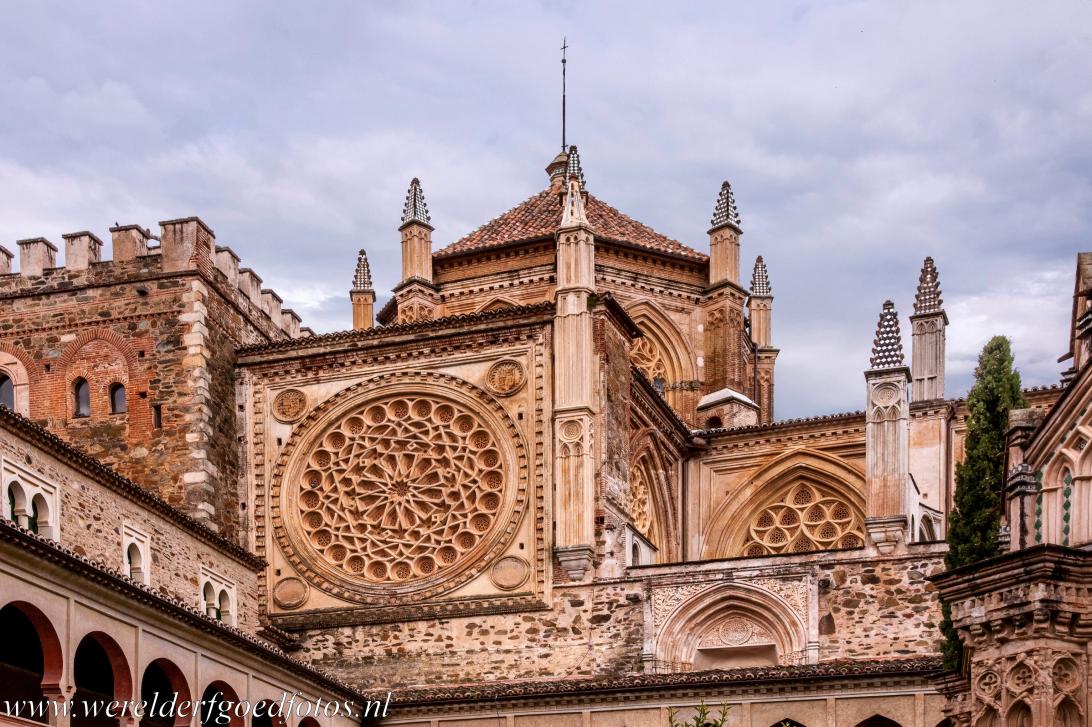
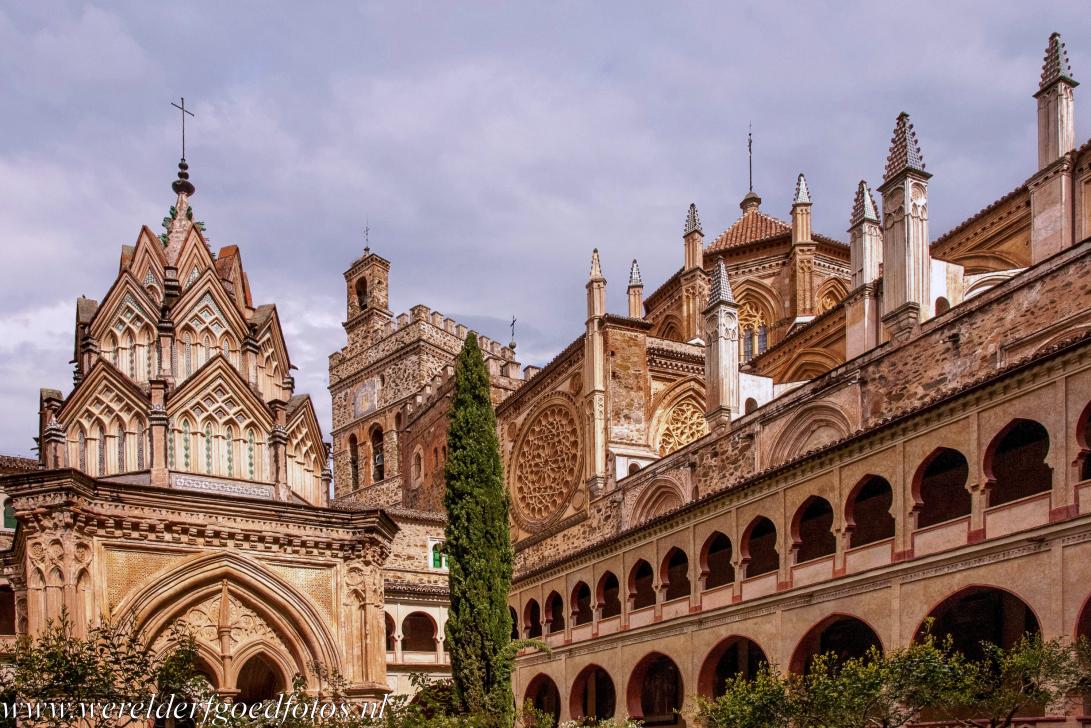
  1. Royal Monastery of Santa María de Guadalupe - The courtyard and Mudéjar cloister of the Royal Monastery of Santa María de Guadalupe. This extraordinary monastery was built on the...

    The courtyard and Mudéjar cloister of the Royal Monastery of Santa María de Guadalupe. This extraordinary monastery was built on the site where a statue of the Virgin Mary was found on the banks of the River Guadalupe in Spain. The statue was named 'Our Lady of Guadalupe' and is enshrined in a chapel of the monastery church, the Camarín de la Virgen. This small chapel also houses the numerous expensive and breathtaking robes of the statue.
  2. Royal Monastery of Santa María de Guadalupe - The Royal Monastery of Santa María de Guadalupe is a masterpiece of the Gothic, Renaissance, Mudéjar, Baroque and Neoclassical...

    The Royal Monastery of Santa María de Guadalupe is a masterpiece of the Gothic, Renaissance, Mudéjar, Baroque and Neoclassical styles. The Monastery of Guadalupe was built between the 14th and 18th centuries. The Monastery of Santa Maria de Guadalupe houses the statue of Our Lady of Guadalupe, a symbol of the Christianization of the New World. The Royal Monastery of Santa María de Guadalupe gained status as a UNESCO World Heritage Site in 1993.

  3. Royal Monastery of Santa María de Guadalupe - The Royal Monastery of Santa María de Guadalupe was the most important monastery in Spain for more than four centuries. The monastery...

    The Royal Monastery of Santa María de Guadalupe was the most important monastery in Spain for more than four centuries. The monastery consists of four parts: the basilica, the auditorium building, the Mudéjar cloister and the Gothic cloister. This magnificent monastery features eight imposing towers; the most important are the Santa Ana Tower and the Portería Tower. These two prominent and fortified towers contributed to the defence of the monastery.

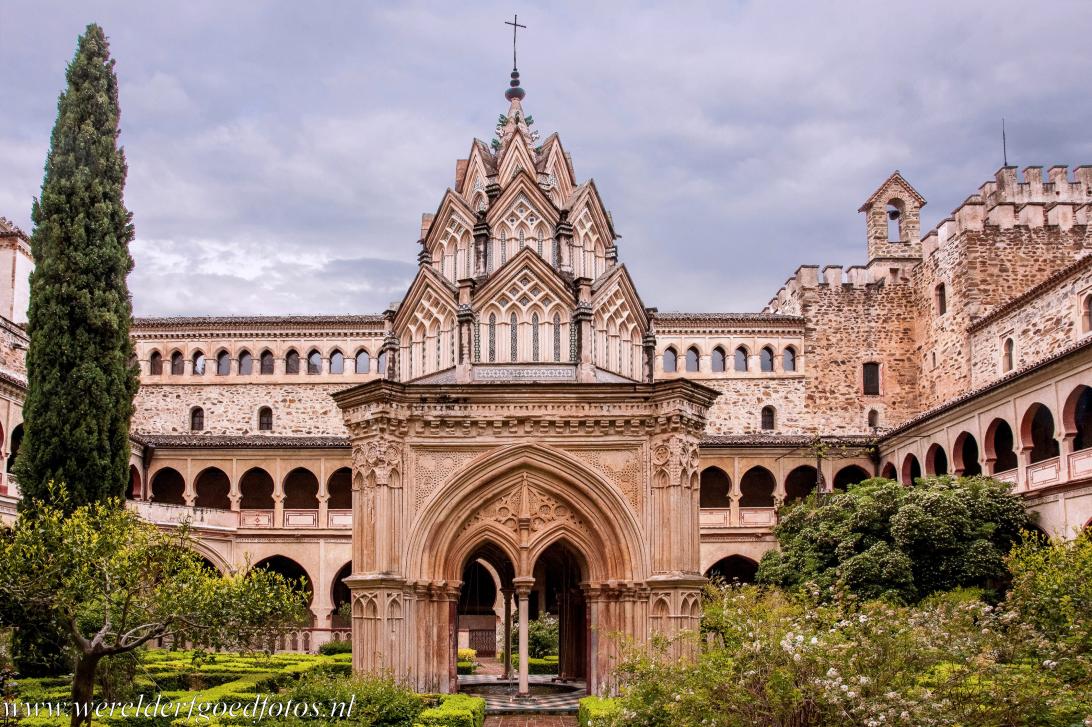
  4. Royal Monastery of Santa María de Guadalupe - Royal Monastery of Santa María de Guadalupe: The striking Fountain House in the courtyard was built in the Plateresque style. After...

    Royal Monastery of Santa María de Guadalupe: The striking Fountain House in the courtyard was built in the Plateresque style. After discovering the Americas in 1492, the famous explorer Christopher Columbus made a pilgrimage to this renowned monastery to give thanks for a safe voyage. Through the ages, the monastery of Guadalupe never lost its importance and has been one of the most important Christian pilgrimage sites in Spain since the 14th century.

  5. Royal Monastery of Santa María de Guadalupe - The statue of Our Lady of Guadalupe is enshrined in the Camarín de la Virgen, the chapel above the High Altar in the church of the...

    The statue of Our Lady of Guadalupe is enshrined in the Camarín de la Virgen, the chapel above the High Altar in the church of the Monastery of Santa María de Guadalupe. A Franciscan monk guides visitors to the Camarín de la Virgen (Chamber of the Virgin) with the precious statue of Our Lady of Guadalupe; here visitors and pilgrims can admire the statue and also her numerous lavishly embroidered robes. This statue is one of the three Black Madonnas of Spain.

  6. Royal Monastery of Santa María de Guadalupe - The Royal Monastery of Santa María de Guadalupe is situated in Guadalupe, a historic village in the foothills of the Sierra de...

    The Royal Monastery of Santa María de Guadalupe is situated in Guadalupe, a historic village in the foothills of the Sierra de Altamira, Spain. The monastery symbolizes two major events in the history of Spain: the end of the Reconquista of the Iberian Peninsula in 1492, and the arrival of the explorer and seafarer Christopher Columbus in the Americas in 1492. The Royal Monastery of Santa María de Guadalupe was inscribed on the UNESCO World Heritage List in 1993.