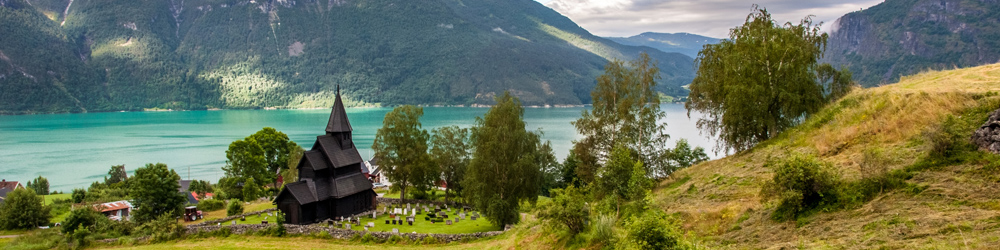
The World Heritage Convention was created in 1972. Spain signed and ratified the World Heritage Convention in 1982. By signing up to the World Heritage Convention, the Government of Spain promised to promote and preserve its UNESCO World Heritage Sites and pass them on to future generations. A UNESCO World Heritage Site must be of outstanding universal value to humanity. Spain is among the countries with the highest number of UNESCO World Heritage Sites in the world, including several World Heritage Cities.
Photos and descriptions of a number of UNESCO World Heritage Sites in Spain:
- Alhambra, Generalife and Albayzín
- Aranjuez Cultural Landscape
- Archaeological Ensemble of Mérida
- Archaeological Ensemble of Tarraco
- Archaeological Site of Atapuerca
- Barcelona, Art Nouveau
- Burgos Cathedral
- Catalan Romanesque Churches of Vall de Boí
- Cave Art of Altamira and Tito Bustillo
- Historic Centre of Córdoba
- Historic City of Toledo
- Historic Walled Town of Cuenca
- Las Médulas
- Monuments of Oviedo and Kingdom of the Asturias
- Mudéjar Architecture of Aragon
- Old City of Salamanca
- Old Town of Ávila
- Old Town of Cáceres
- Old Town of Segovia and its Aqueduct
- Palmeral of Elche
- Poblet Monastery
- Prehistoric Rock Art of Siega Verde
- Roman Walls of Lugo
- Routes of Santiago de Compostela in Spain
- Royal Monastery of El Escorial in Madrid
- Royal Monastery of Santa María de Guadalupe
- San Millan Yuso and Suso Monasteries
- Santiago de Compostela (Old Town)
- Tower of Hercules
- University of Alcalá de Henares
- Vizcaya Bridge
- Works of Antoni Gaudí