Old Town of Cáceres – Where Middle Ages and Renaissance Meet
The area surrounding Cáceres has been inhabited since prehistoric times; evidence of this can be found in the Maltravieso Caves. Cáceres is situated along the legendary Silver Route, also known as the Ruta de la Plata, an ancient Roman road that ran from Mérida in the south to Astorga in the north.
The town was founded by the Romans in 25 BC, but after the fall of the Western Roman Empire, it fell under the control of the Visigoths and was conquered by the Almohads in the 8th century. A town wall and several towers were built, among them the impressive 12th-century Bujaco Tower, the most renowned tower of Cáceres.
The town was reconquered by King Alfonso IX León and Galicia in the 13th century. During this period, Cáceres had a Jewish quarter; remains of the Jewish presence can still be seen today. Numerous palaces and stately houses were built in the 16th century. Today, the historic town of Cáceres still retains its ancient walls. The imposing Arco de la Estrella is the main entrance to the Old Town. Cáceres is located some 75 kilometres north of the World Heritage Site in Mérida and is set in Extremadura, a rural region in Central West Spain near the border with Portugal. The Old Town of Cáceres was declared a UNESCO World Heritage Site in 1986.
www.werelderfgoedfotos.nl © Copyright World Heritage Photos

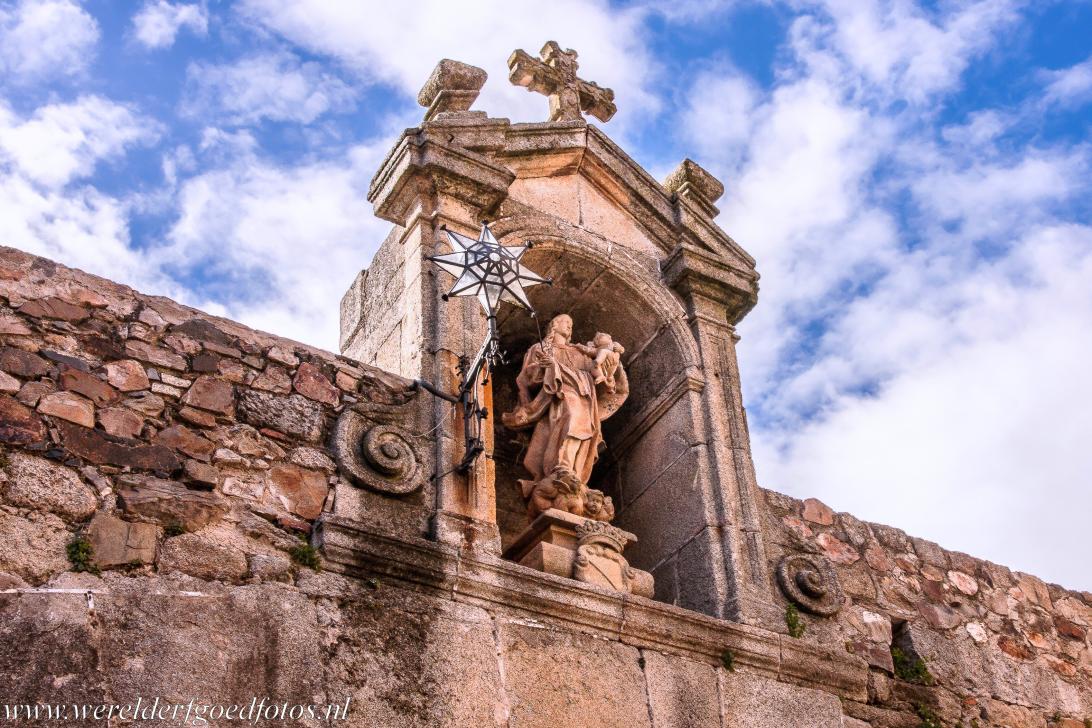
The Arco de la Estrella, the Arch of the Star, is a town gate of the Old Town of Cáceres. It is the last gate built into the medieval wall and the most important entrance to the town. Inside the gate is a niche with the statue of Nuestra Señora de la Estrella, the Virgin of the Star. In the 15th century, Isabella of Castile and Ferdinand II of Aragon entered Cáceres through this gate. This iconic gate served as a film location for Game of Thrones in 2016. The Old Town of Cáceres has been recognised as a UNESCO World Heritage Site.

The Arco de la Estrella, the Arch of the Star, is a town gate of the Old Town of Cáceres. It is the last gate built into the medieval wall and the most important entrance to the town. Inside the gate is a niche with the statue of Nuestra Señora de la Estrella, the Virgin of the Star. In the 15th century, Isabella of Castile and Ferdinand II of Aragon entered Cáceres through this gate. This iconic gate served as a film location for Game of Thrones in 2016. The Old Town of Cáceres has been recognised as a UNESCO World Heritage Site.

Old Town of Cáceres: The rear side of the Arco de la Estrella (Arch of the Star) features a small niche containing a statuette of Nuestra Señora de la Estrella, the Virgin of the Star, with a star-shaped lantern. This lantern is illuminated in the evening and once served as a beacon for travellers. The gate receives its name from this small sculpture. The town gate was built in the 18th century on the site of an older gate. This imposing structure is flanked by the Los Púlpitos Tower, a 16-metre-high Gothic tower built in the 15th century which resembles a defensive bastion.

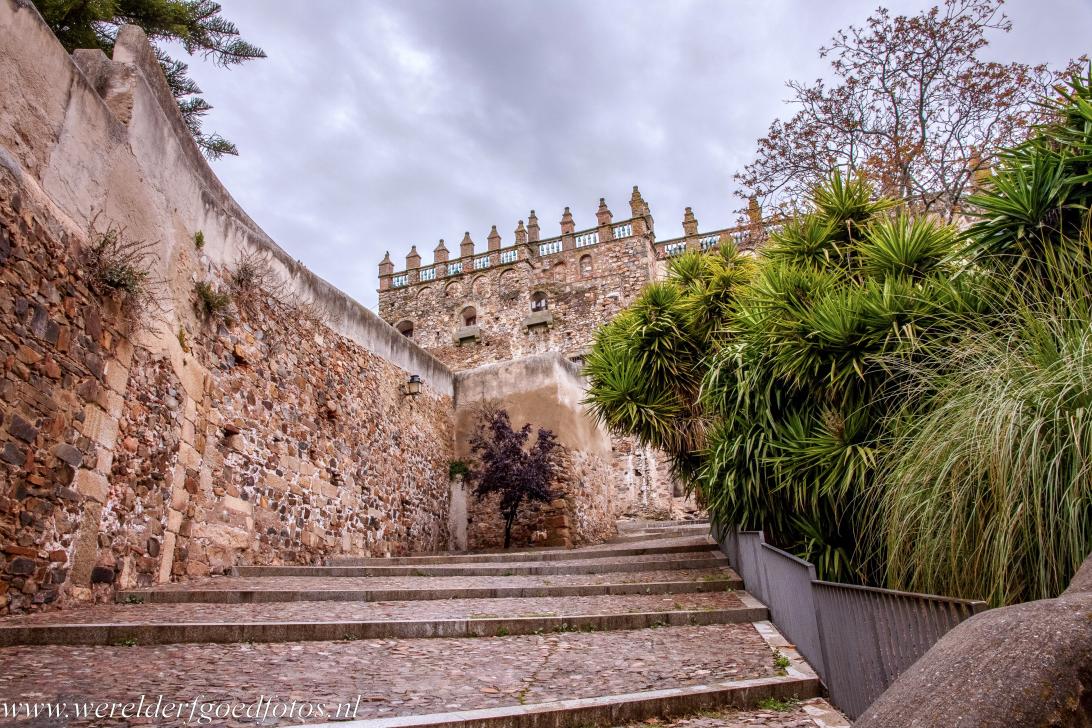
Old Town of Cáceres: The Las Veletas Palace is also known as the Palace of the Weathervanes. This elegant Renaissance palace was built in the 16th century at the highest point of the town. Its roofline balustrade is adorned with small ceramic pinnacles and gargoyles. The Renaissance courtyard is surrounded by a series of graceful arches, supported by Tuscan granite columns. Today, the palace houses the Cáceres Museum. The Old Town of Cáceres gained status as a UNESCO World Heritage Site in 1986.

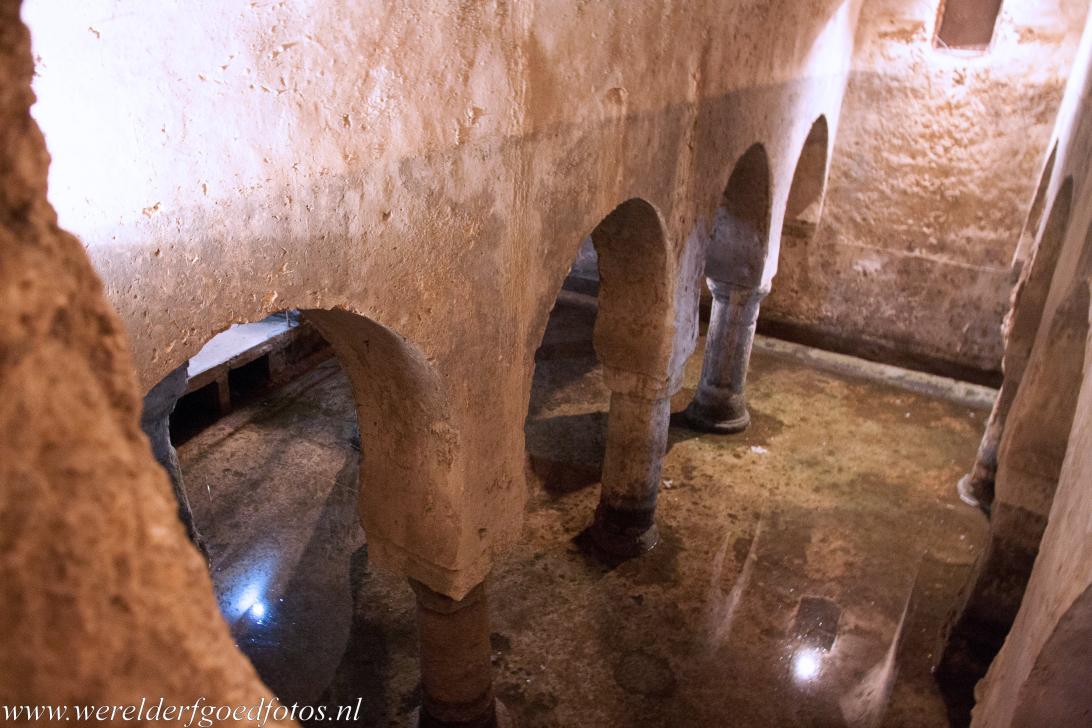
Old Town of Cáceres: The 12th-century cistern is a remnant of the Almohad citadel. One of the largest of its time, this impressive underground reservoir (aljibe) was carved out of the rock and used to store rainwater. The cistern lies beneath the Las Veletas Palace. This outstanding palace now houses the Provincial Archaeological Museum of Cáceres. Alongside its ancient history, the museum also houses a collection of folk crafts typical of Cáceres.

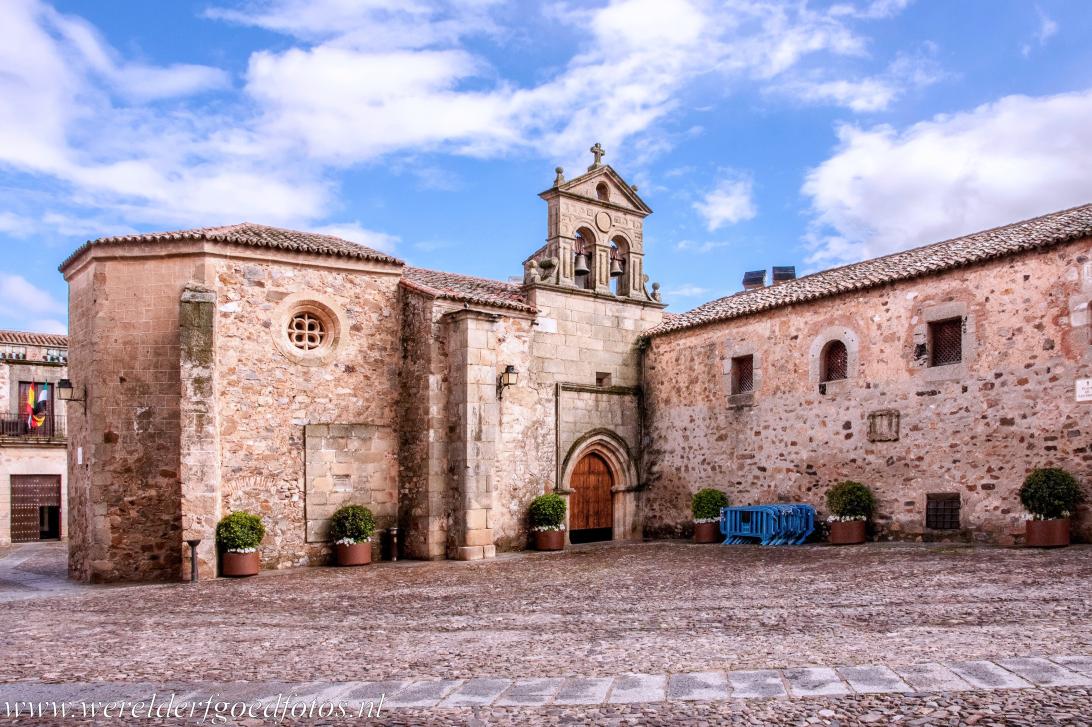
Old Town of Cáceres: The Convento de San Pablo (St. Paul's Convent) is situated on the highest point of the town, in the Plaza of San Mateo. This monastery was built over the remains of a hermitage in the 15th century. Its facade is typical of Medieval Cáceres. The chapel of this convent features a Gothic arched portal; the bell-gable was built in the 17th century. There are still nuns living in St. Paul's Convent. The convent is renowned for its delicious sweets such as perrunillas; these are traditional crispy biscuits made by the nuns according to a secret recipe.

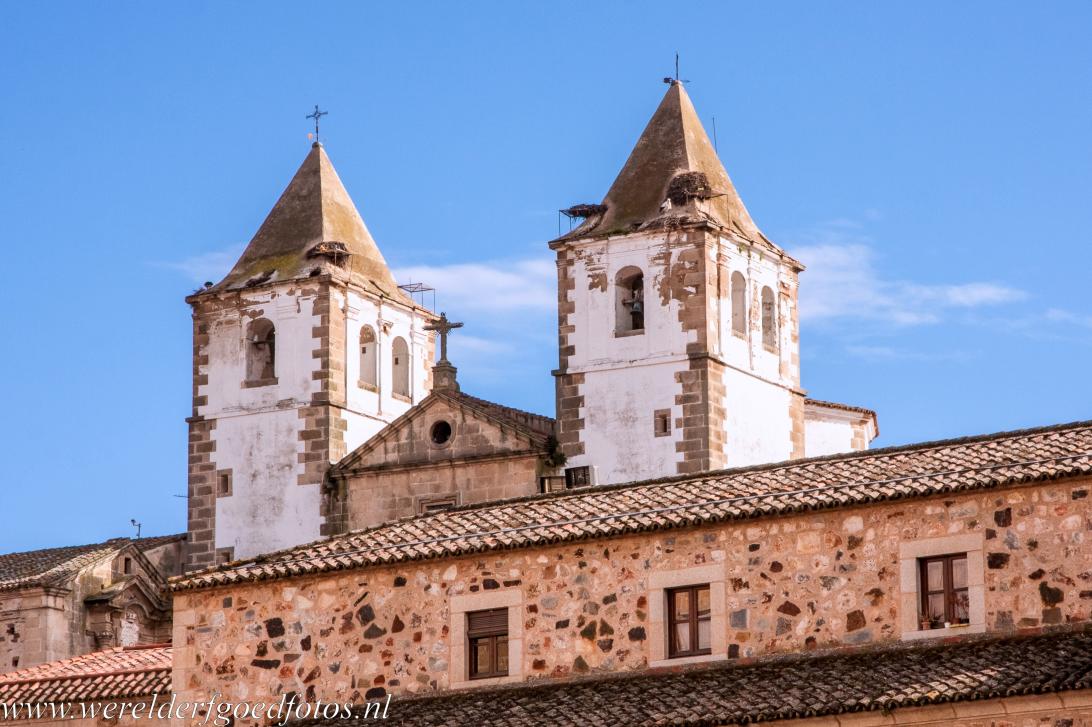
Old town of Cáceres: The 18th-century San Francisco Javier Church towers high above Cáceres. This Jesuit church has a Baroque façade and is situated in Plaza San Jorge (St. George's Square). Saint George has been the patron saint of Cáceres since 1229. In front of the building, a niche in the wall contains a bronze statue of Saint George and the Dragon. The church with its two white square towers is accessible by a stairway. Around 1750, the Jesuits built a reservoir beneath this historic building to collect rainwater from the roof.

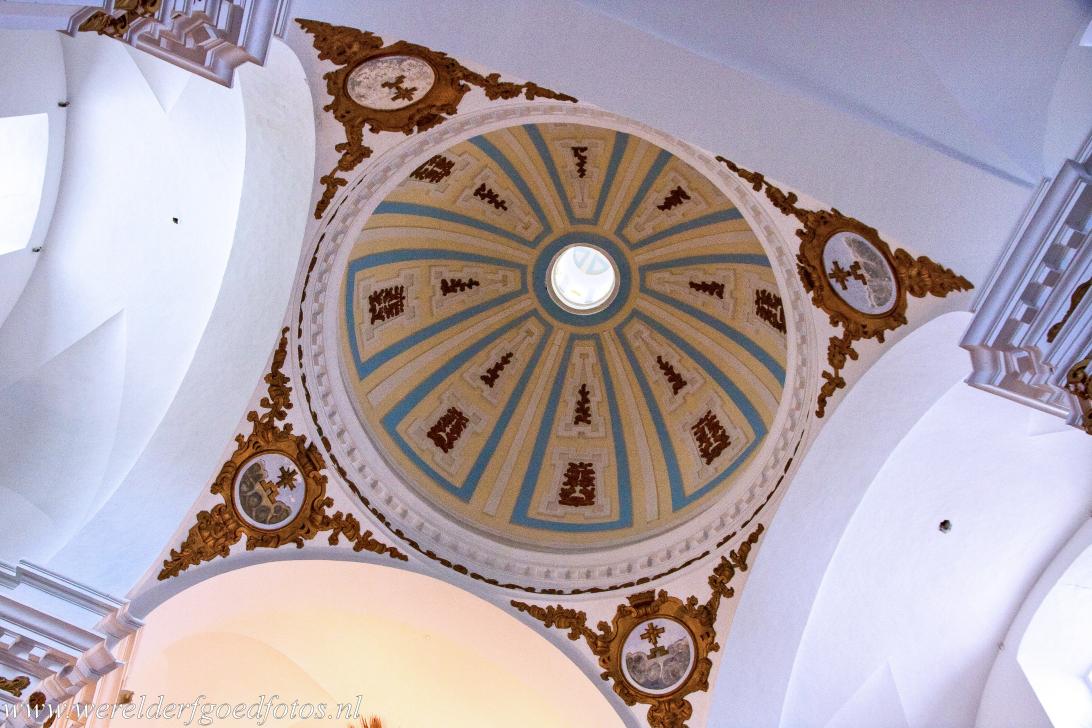
Old Town of Cáceres: The decorated dome of the San Francisco Javier Church towers high above the interior. This Jesuit place of worship has a single nave and several small side chapels. The main altarpiece has been placed between four gilded Corinthian columns; the painting depicts the Miracle of Saint Francis Xavier and the Crab – which, according to legend, brought the saint's lost crucifix back from the sea. The church was built on a typical ground plan in the form of a Latin cross, the shape of most Western cathedrals and large churches. The church is also known as the Church of the Precious Blood (Preciosa Sangre).

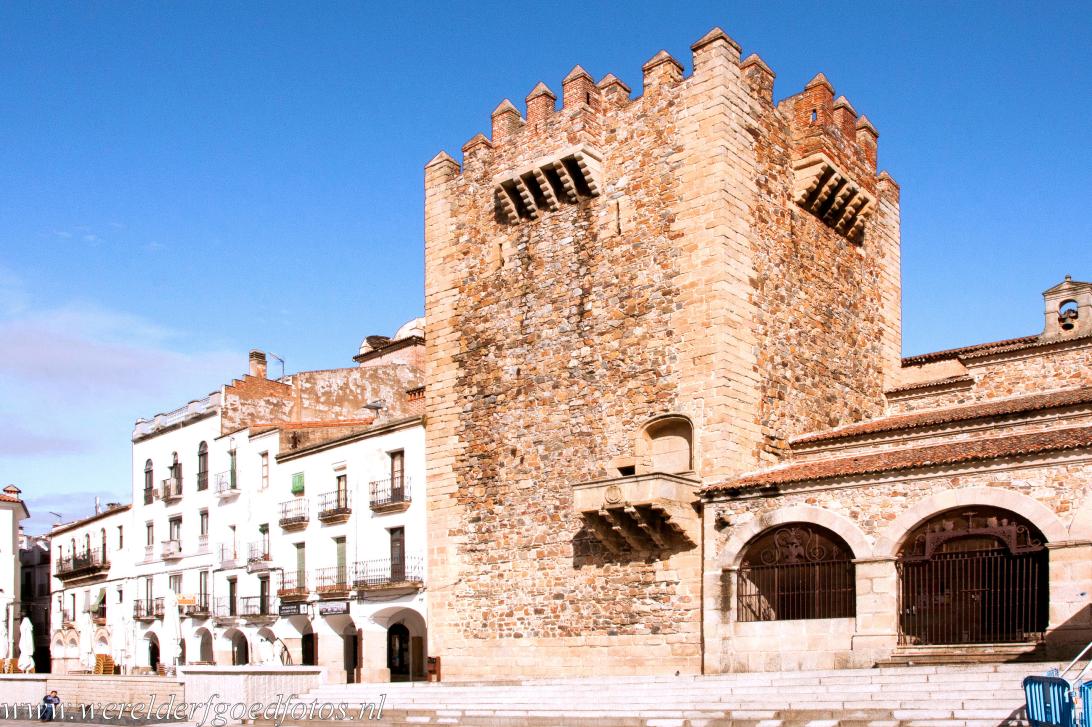
Old Town of Cáceres: The Bujaco Tower is the most important tower of the town and one of the symbols of the Old Town of Cáceres. The Almohads built a city wall and several fortifications, including this 12th-century Bujaco Tower. This imposing structure is 25 metres high and the most famous tower of Cáceres. A Renaissance balcony was added in the 16th century, known as Balcón de los Fueros (Balcony of the Laws). The tower now houses a museum that showcases the rich history of how Christians, Muslims, and Jews lived together here for centuries.