Palaeolithic Cave Art of Northern Spain: The Tito Bustillo Cave is part of the UNESCO World Heritage Site called Cave of Altamira and Palaeolithic Cave Art of Northern Spain. The Cave of Altamira is situated near the Spanish town of Santillana del Mar. This cave was discovered in 1879. The outstanding paintings and engravings in this cave were created by people who inhabited it during different periods. The paintings are estimated to be between 14,000 and 20,000 years old; some of the earliest are even 36,000 years old. The original Altamira Cave is closed to visitors. It is only possible to visit the Neocave: a full-scale, exact reproduction of the cave. The Tito Bustillo Cave is one of the most important caves of Palaeolithic cave art in Northern Spain. This imposing cave is situated in Ribadesella, Asturias. The cave was discovered in 1968; the rock paintings are estimated to be between 33,000 and 10,000 years old. The most important rock carvings are those of the female body. All these rock carvings are situated in the same cavern. Some of the engravings in the caves of Northern Spain are similar to the Rock Art of Siega Verde in Spain and the Rock Art of the Côa Valley in Portugal. Filming and photography are not permitted in these caves. The Cave of Altamira and the Palaeolithic Cave Art of Northern Spain gained status as a UNESCO World Heritage Site in 1985. Some other prehistoric rock art sites elsewhere in Europe include Alta, Tanum and Val Camonica.
www.werelderfgoedfotos.nl © Copyright World Heritage Photos Classic Car Road Trip
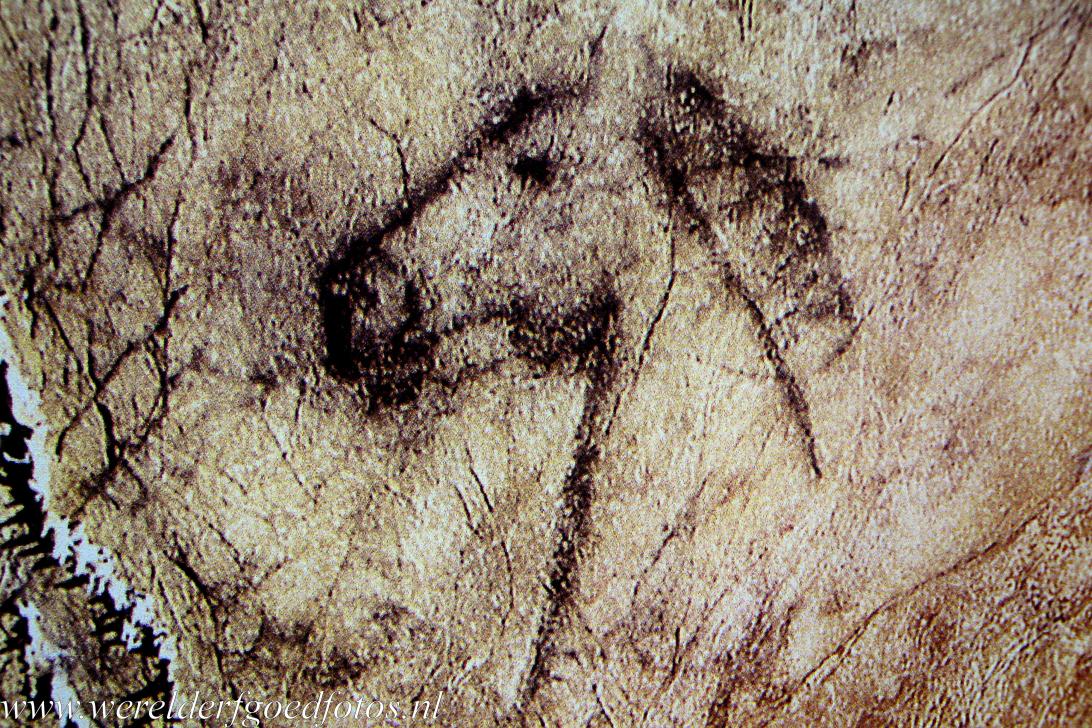
Palaeolithic Cave Art of Northern Spain: A horse's head, one of the most famous rock drawings of the Tito Bustillo Cave. The 'Galeria de los Caballos' (Gallery of the Horses) features numerous animals carved into the rock surface, such as large horses, bison and reindeer. The stunning Tito Bustillo cave art dates from 33,000 to 10,000 BC. The Tito Bustillo Cave was declared a UNESCO World Heritage Site in 1985.
Palaeolithic Cave Art of Northern Spain: A horse's head, one of the most famous rock drawings of the Tito Bustillo Cave. The 'Galeria de los Caballos' (Gallery of the Horses) features numerous animals carved into the rock surface, such as large horses, bison and reindeer. The stunning Tito Bustillo cave art dates from 33,000 to 10,000 BC. The Tito Bustillo Cave was declared a UNESCO World Heritage Site in 1985.
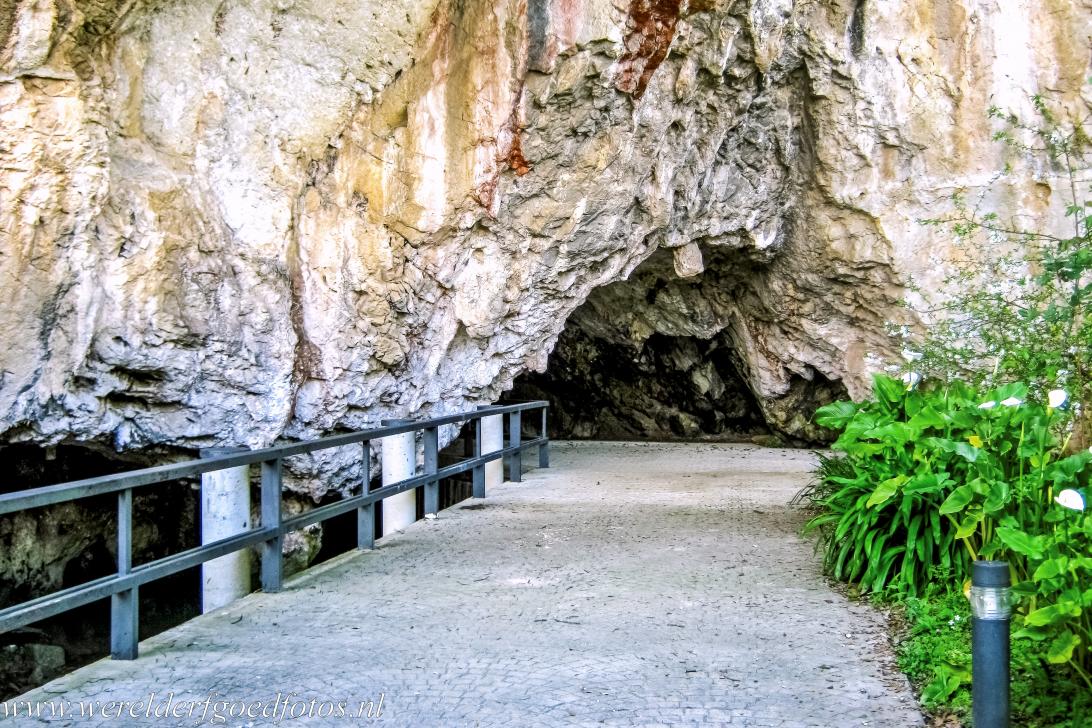
Palaeolithic Cave Art of Northern Spain: The entrance to the renowned Tito Bustillo Cave. The cave is situated in the small town of Ribadesella in Northern Spain. The cave was discovered in 1968 and is one of the most outstanding caves of the Palaeolithic rock art in the north of the country. It is part of an interconnected cave system. During visits, filming and photography are not permitted in the Tito Bustillo Cave.

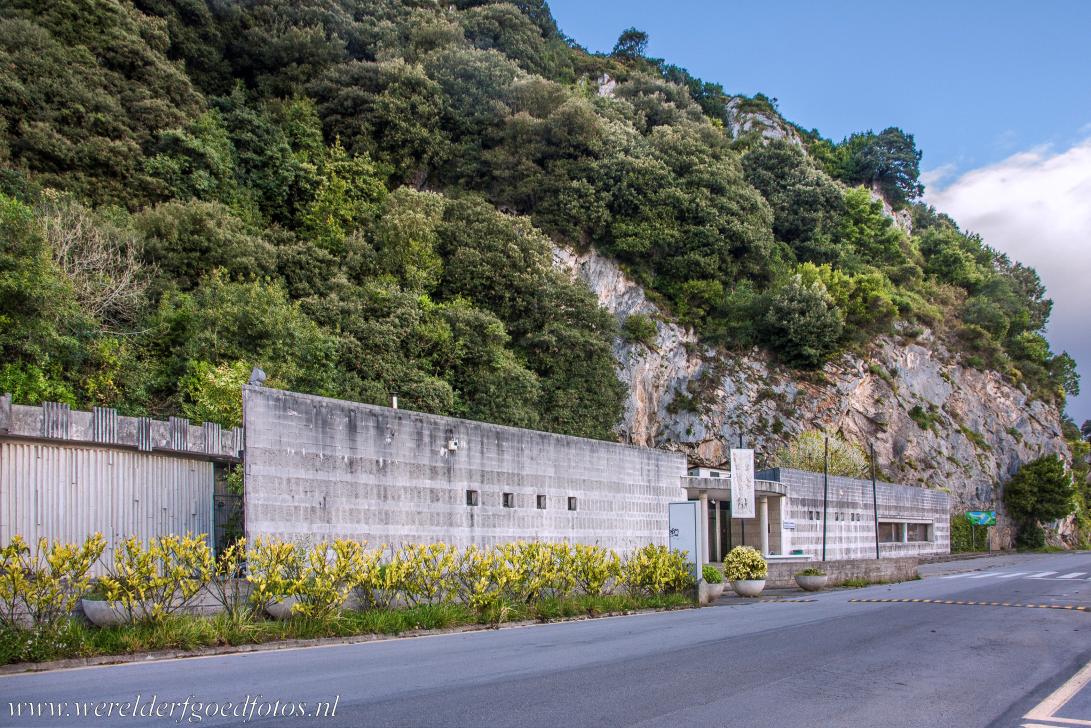
Palaeolithic Cave Art of Northern Spain: The Visitor Centre of the Tito Bustillo Cave at the edge of the town of Ribadesella, which is situated on the north coast of the Asturias region in Spain. The Tito Bustillo Cave was inhabited by prehistoric humans who carved their amazing art into the rock. This rock art is now an important legacy of Western culture and history. The cave is one of the most significant archaeological sites in the world.

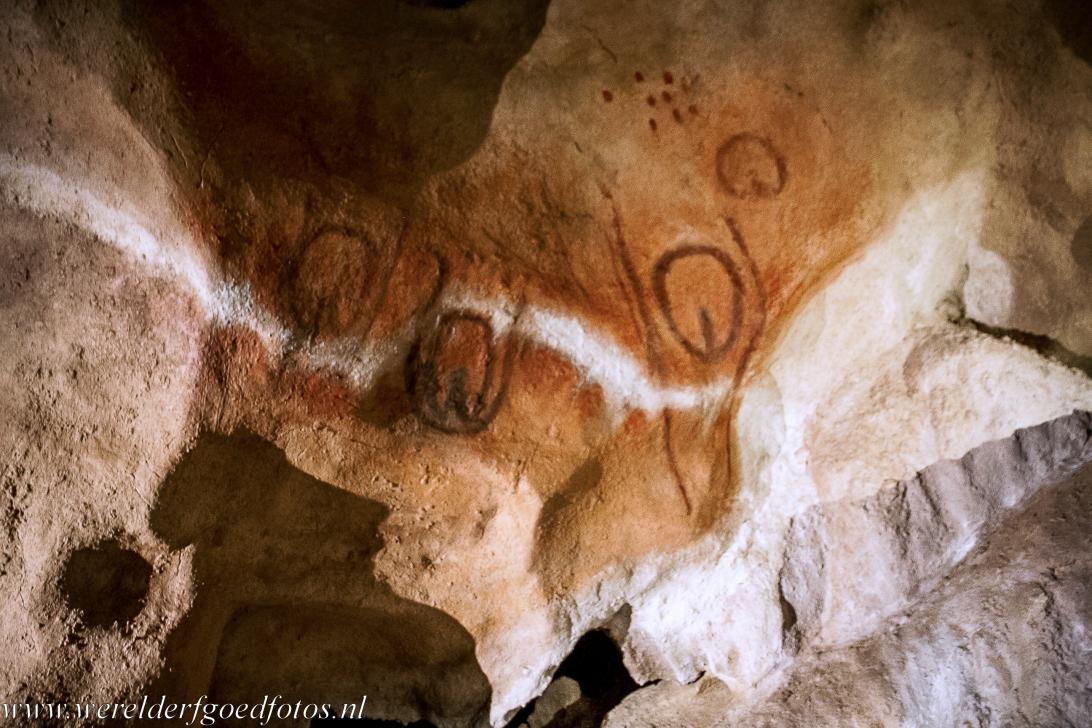
Palaeolithic Cave Art of Northern Spain, the Tito Bustillo Cave: Several rock art paintings of the woman's fertility are depicted in one of the caverns, known as the 'Camarín de las Vulvas' (the Chamber of the Vulvas). In this extraordinary cavern, the prehistoric humans symbolised the woman's fertility. This cavern is not open to visitors, but a replica of this panel can be admired in the Tito Bustillo Rock Art Centre. The nearby Caves of Lloseta contain one of the first examples of what is considered to be a phallus depicted in rock art.

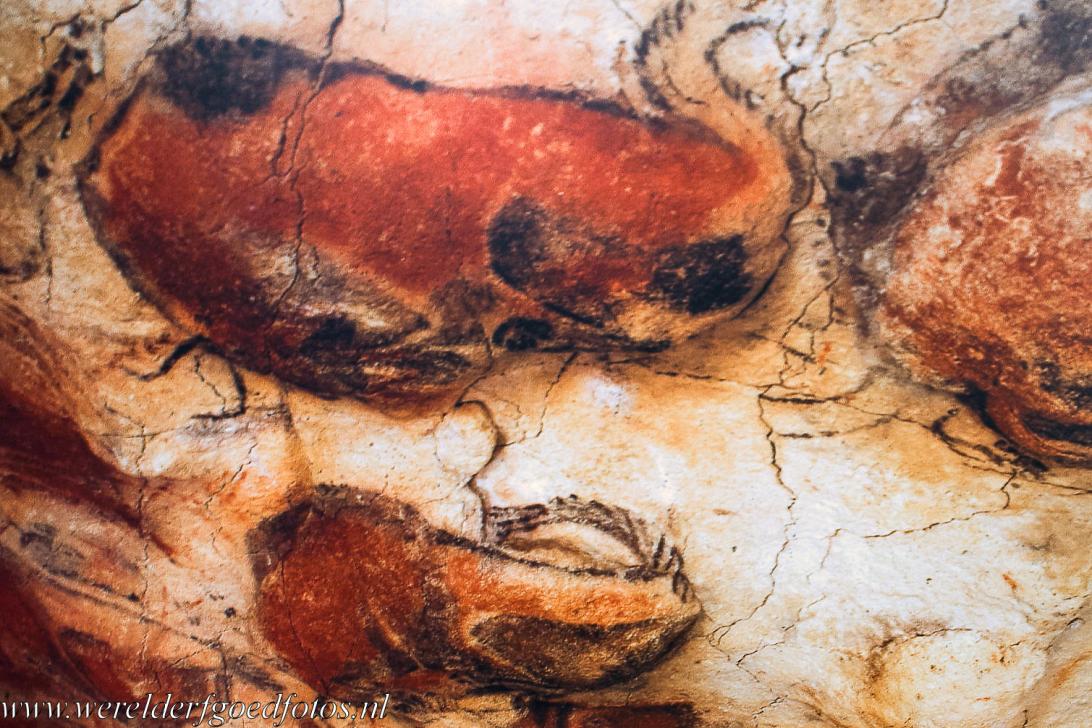
Palaeolithic Cave Art of Northern Spain, the Altamira Cave: A detail of the ceiling of the Altamira Cave. The ceiling is covered in painted images such as European bison, deer, goats, horses, as well as painted and engraved symbols. The cave paintings were created by prehistoric humans between 14,000 and 20,000 years ago. The original Altamira Cave is closed to visitors; it is only possible to visit the Neocave: a full-scale, exact reproduction of the Altamira Cave.

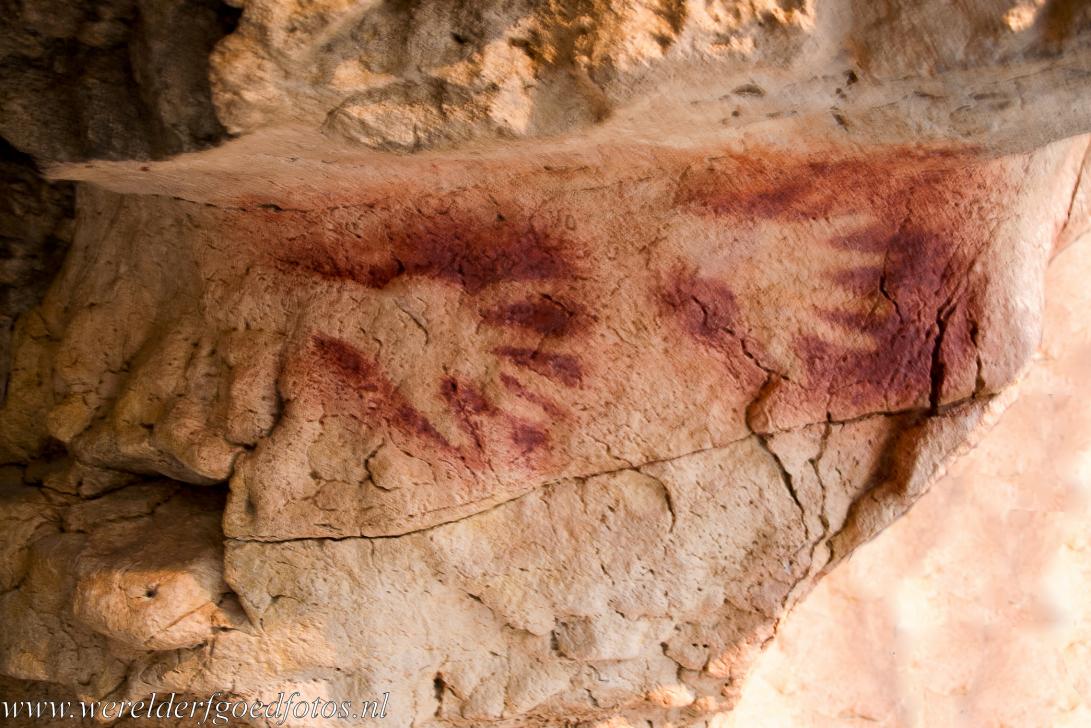
Palaeolithic Cave Art of Northern Spain: A copy of a panel of hand stencils can be viewed in the Museum of Altamira, situated next to the Altamira Cave. This renowned cave contains hundreds of amazing rock art paintings and drawings such as bison, deer, horses, wild boar, and human hands. Eight of these hands, outlined in red ochre, are situated on the ceiling of the Polychrome Room, the most impressive cavern in Altamira. The Palaeolithic Cave Art of Northern Spain was added to the UNESCO World Heritage List in 1985.