Mill Network at Kinderdijk and Elshout – Dutch Icon of Wind and Water
Windmills were built to drain the Dutch polders. These iconic structures are characteristic of the landscape of the Netherlands and a symbol of the Dutch struggle against water. For centuries, windmills made it possible to keep the Dutch polders dry in wet seasons or keep agricultural fields wet in dry periods. In times of the threat of war, water became an ally; the polders could be flooded to create a defence line.
The mill network at Kinderdijk-Elshout is an outstanding and unique man-made landscape in the Netherlands. It was built between 1738 and 1740 to drain the Alblasserwaard. More than 150 windmills were originally used to drain this polder and prevent the land from flooding. The excess water was pumped into drainage canals, which carried it into the River Lek. In the late 19th century, the important work of these iconic windmills was taken over by steam pumping stations. Now, the mill network at Kinderdijk consists of 19 monumental mills.
All the mills at Kinderdijk are still maintained in operating condition and function as back-up mills in case the modern pumping stations fail. The J.U. Smit Pumping Station at Kinderdijk has a capacity of approximately 1,300 cubic metres of water per minute. Interestingly, the largest steam-driven pumping station in the world is also located in the Netherlands. Of the more than 9,000 windmills the Netherlands once had, approximately 1,200 remain. The Mill Network at Kinderdijk-Elshout gained status as a UNESCO World Heritage Site in 1997.
www.werelderfgoedfotos.nl © Copyright World Heritage Photos
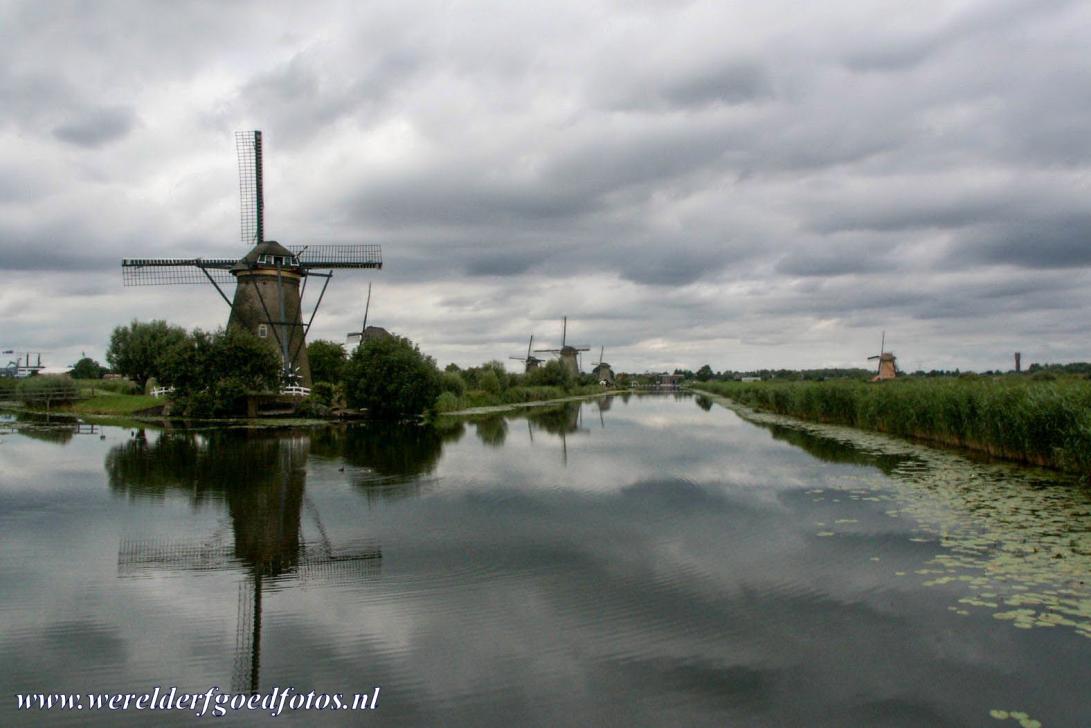
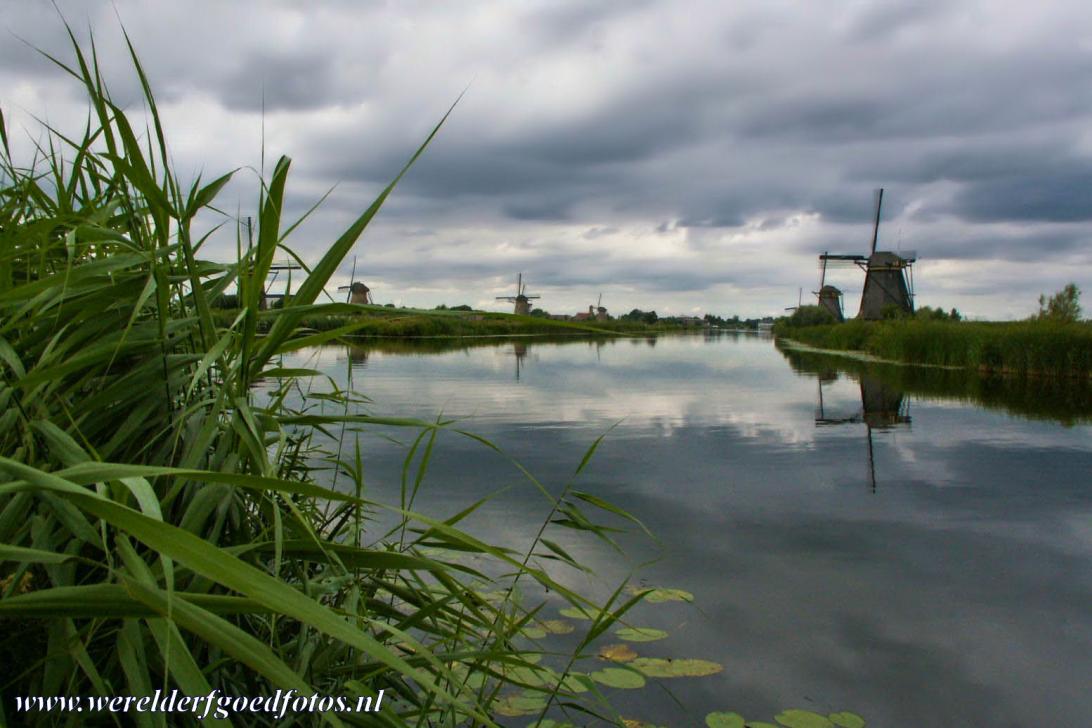
Dark clouds looming over the nineteen windmills at Kinderdijk. The mill complex at Kinderdijk is an outstanding man-made landscape in the Netherlands. The mill network was built to drain the Alblasserwaard polders. The system to drain the polders and prevent them from flooding was used for several centuries at Kinderdijk and the many other polders and low-lying areas in the Netherlands. The unique Mill Network at Kinderdijk-Elshout was inscribed on the UNESCO World Heritage List in 1997. Some of these monumental polder windmills are open to the public.
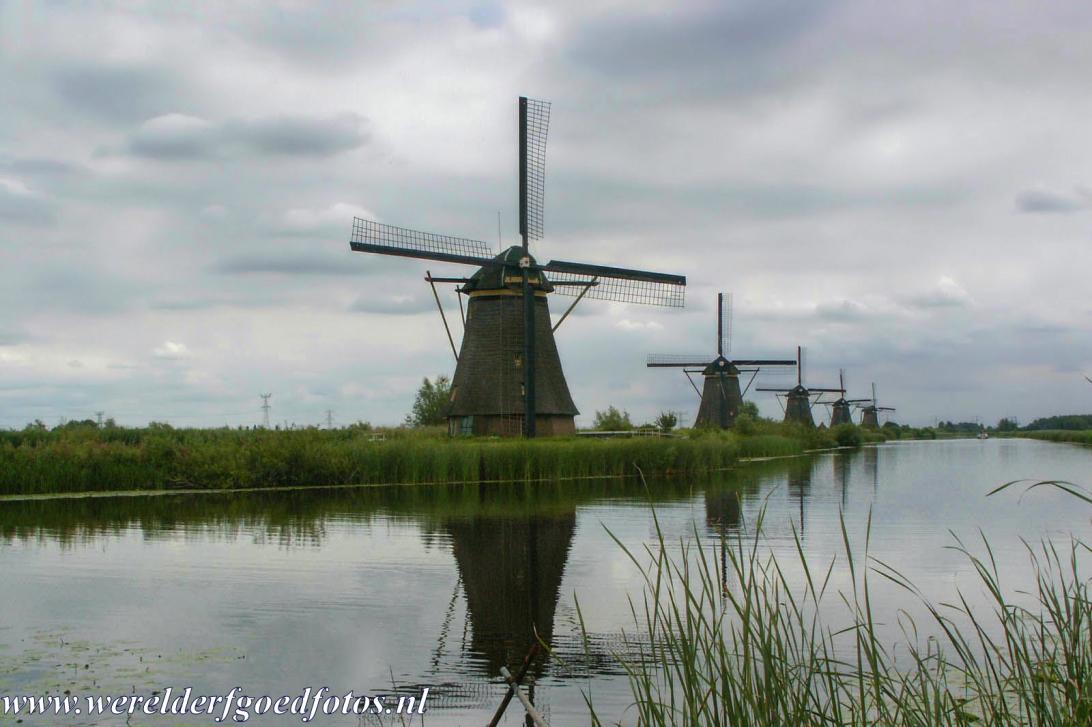
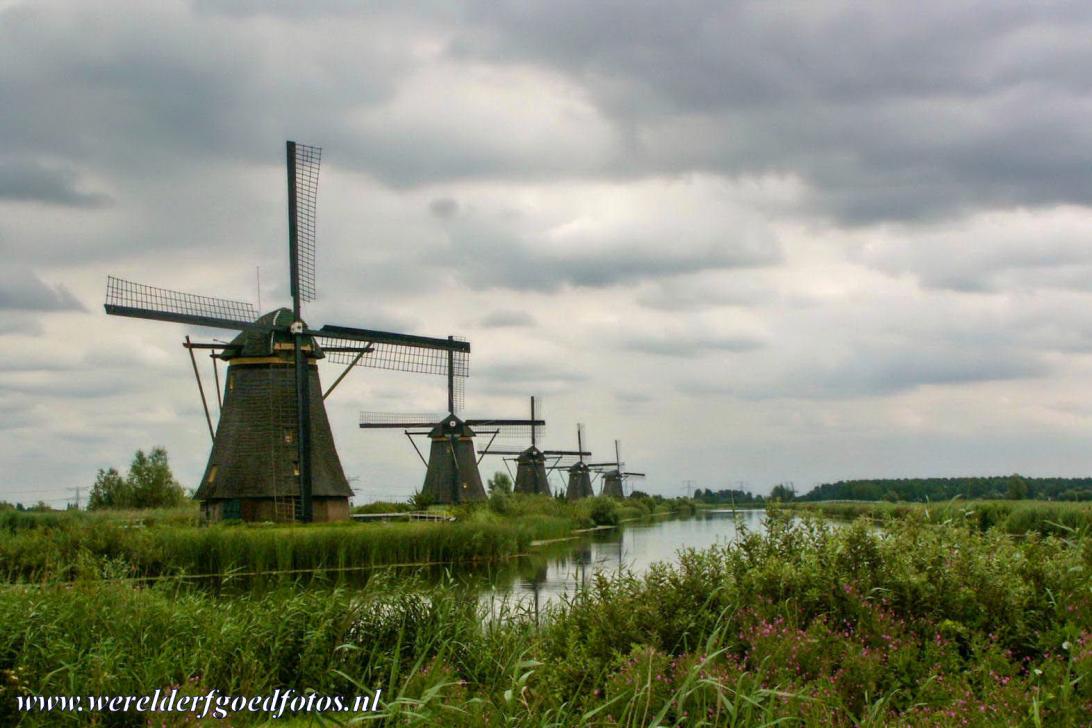
Dark clouds looming over the nineteen windmills at Kinderdijk. The mill complex at Kinderdijk is an outstanding man-made landscape in the Netherlands. The mill network was built to drain the Alblasserwaard polders. The system to drain the polders and prevent them from flooding was used for several centuries at Kinderdijk and the many other polders and low-lying areas in the Netherlands. The unique Mill Network at Kinderdijk-Elshout was inscribed on the UNESCO World Heritage List in 1997. Some of these monumental polder windmills are open to the public.
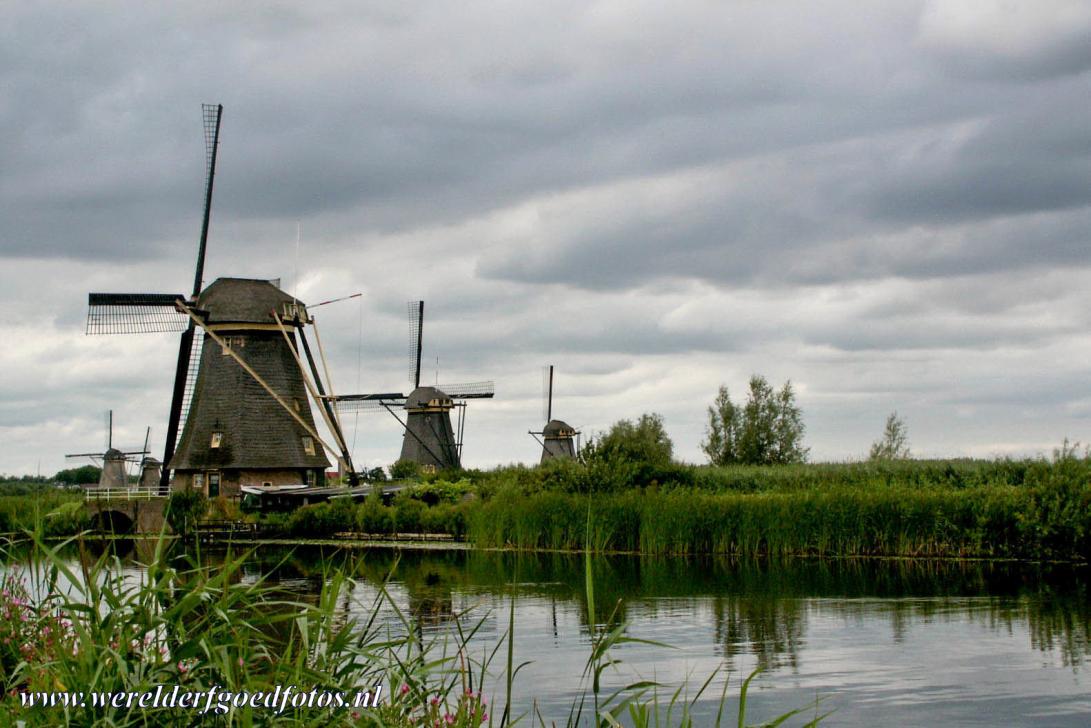
The Mill Network at Kinderdijk-Elshout is unique in the world, nowhere else in the world a monument such as this. For centuries, windmills made it possible to keep the polders dry in wet seasons, but also keep agricultural fields wet in dry seasons. The nineteen historic windmills of the mill network at Kinderdijk-Elshout give an amazing impression of how polders were drained and floods were prevented in the Netherlands.

The Mill Network at Kinderdijk-Elshout at dusk. The windmills at Kinderdijk are the most famous windmills in the Netherlands. There are over a thousand windmills throughout the Netherlands. The windmills are characteristic of the landscape of the Netherlands and a symbol of the Dutch struggle against the water. The windmills were used to drain the lakes and swamps and prevent the land from flooding.

The Mill Network at Kinderdijk-Elshout consists of a system of waterways, catch-water basins and several mills that jointly drain the Alblasserwaard polder into the river Lek. The Mill Network at Kinderdijk-Elshout was built in the period 1738-1740. The landscape around the mills is still in its original state, the open landscape around the windmills is necessary to make good use of the wind. The windmills at Kinderdijk-Elshout rank among the most famous windmills in the world.

The Mill Network at Kinderdijk-Elshout is surrounded by water and reeds. The windmill is a symbol of the Netherlands and their fight against the sea. In the late 19th century, the windmills were replaced by steam driven pumping stations. Today, there are about 1200 windmills left in the Netherlands, among them are drainage mills, corn mills and paper mills (Zaandam). The mill in Zeddam is the oldest windmill in the Netherlands.

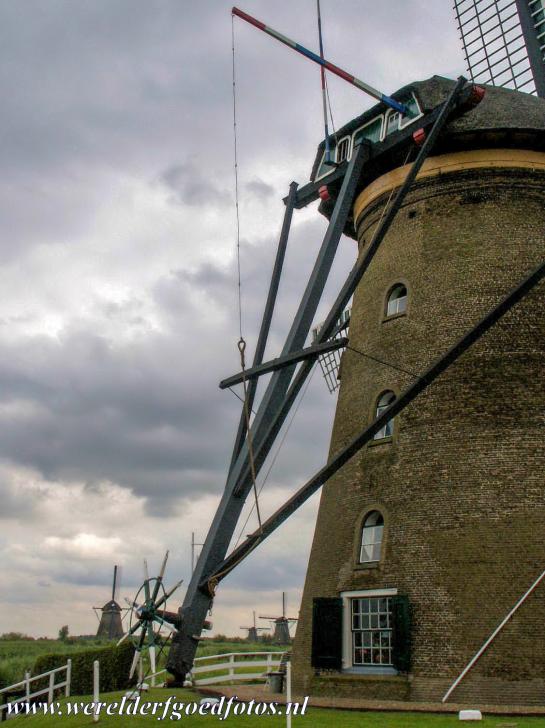
Mill Network at Kinderdijk-Elshout: The Nederwaard windmill no. 2 is open to the public. In the 18th century, more than 9000 windmills were used to drain the Dutch polders and the low-lying areas, the decline of the windmill started with the invention of the steam power. The windmills were replaced by steam pumping stations. Today, modern diesel and electric pumping stations are used to drain the Dutch polders.

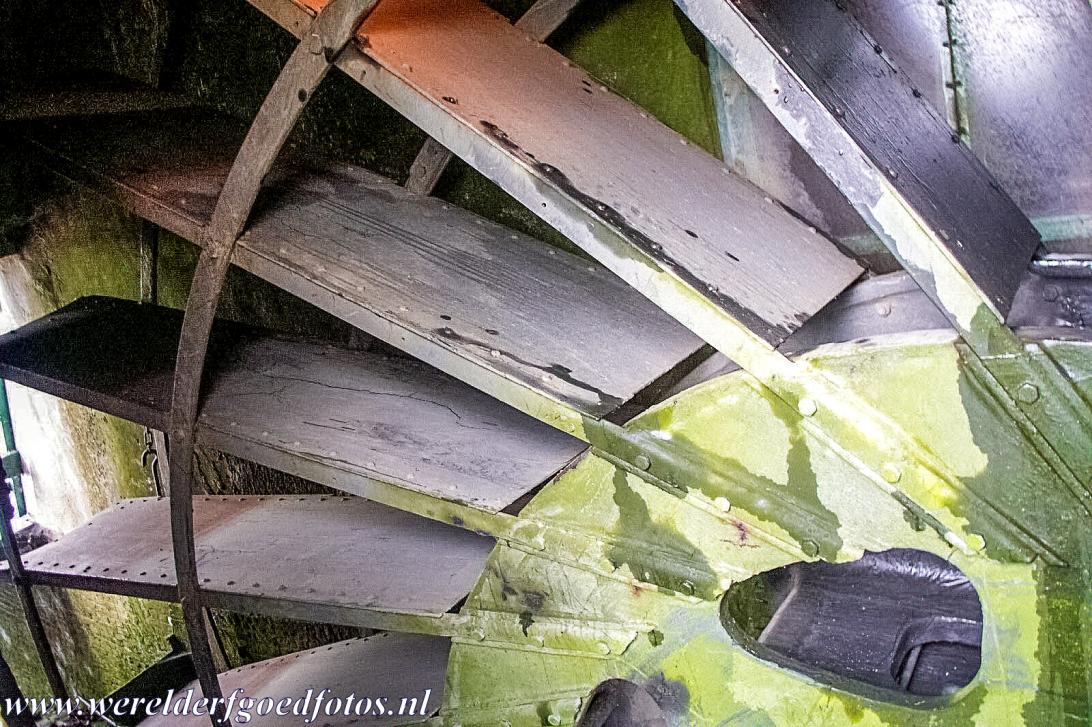
Mill Network at Kinderdijk-Elshout: The scoop wheel inside the Nederwaard no. 2 windmill. The scoop wheel was driven by the sails and used to pump water from the polder into the drainage canals. A mechanism transferred the rotary motion of the sails to the scoop wheel. Nowadays, the Alblasserwaard polder is drained by modern forms of engineering, but the nineteen historic windmills at Kinderdijk-Elshout are still in working condition.

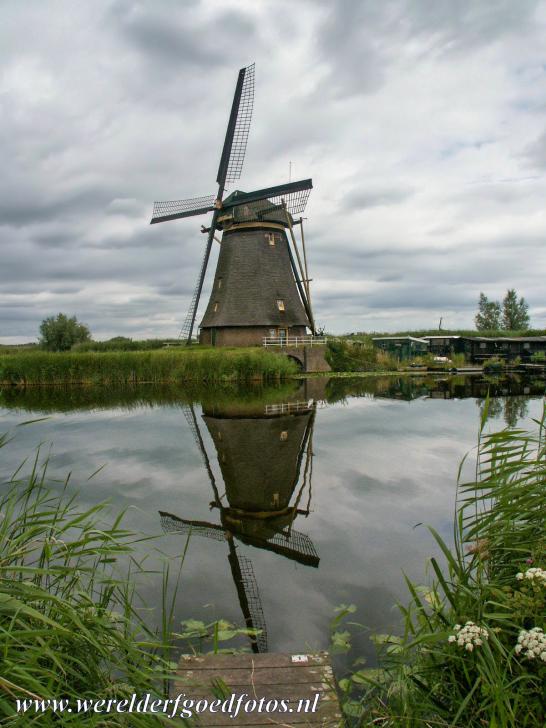
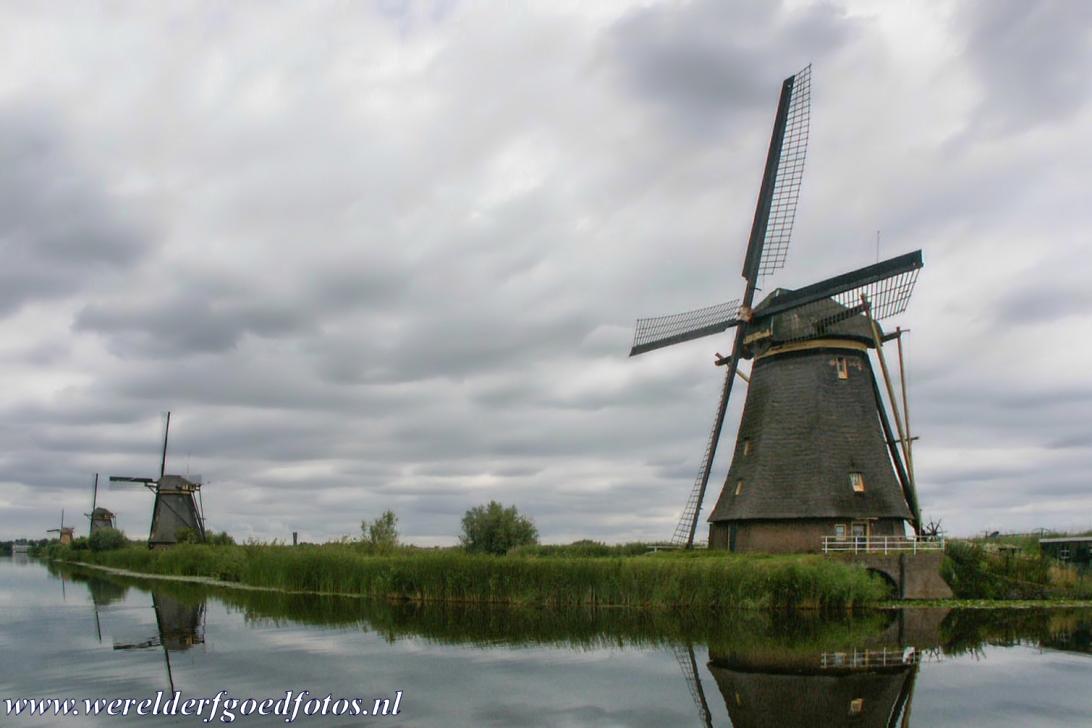
A windmill mirroring on the water surface. A footpath along the canal offers breathtaking views of the 19 monumental windmills at Kinderdijk-Elshout. The Mill Network at Kinderdijk-Elshout is an outstanding man-made landscape in the Netherlands, the most characteristic features of this scenic landscape are the windmills. Without dikes and drainage windmills, more than half of the Netherlands would be flooded by high tide and in every wet season.

The Mill Network at Kinderdijk-Elshout: Already in the 8th century, the Dutch began to build dikes to protect themselves and their land against the sea. In the 15th century, the Dutch began to build dikes and drainage canals to create more farmland, the reclaimed land (polders) were drained by windmills, the water was pumped into drainage canals by windmills, a large network of rivers and canals carried the water towards the sea.

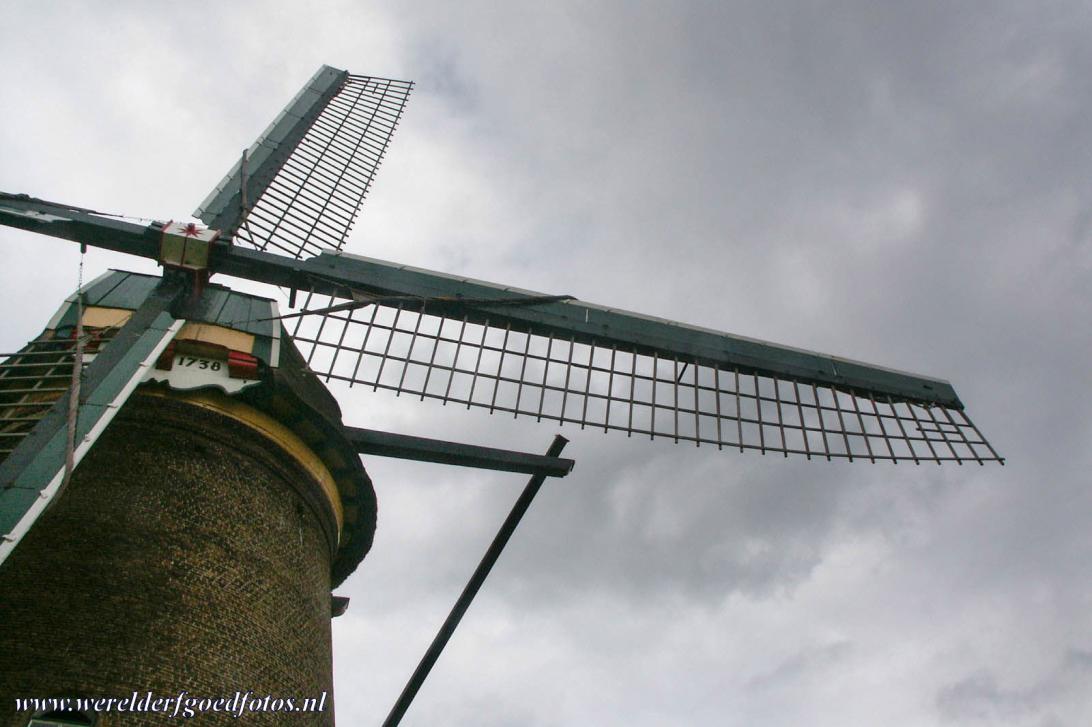
Mill Network at Kinderdijk-Elshout: The wooden cap or roof can rotate on the top of the stone tower, this construction makes it possible to bring the sails into the wind. A windmill was also the home of the miller and his family. A miller also used the sails of his windmill to announce an event, such as the birth of a child. Every position of the sails has its own meaning, such as joy or mourning. Mill Network at Kinderdijk-Elshout was declared a UNESCO World Heritage in 1997.

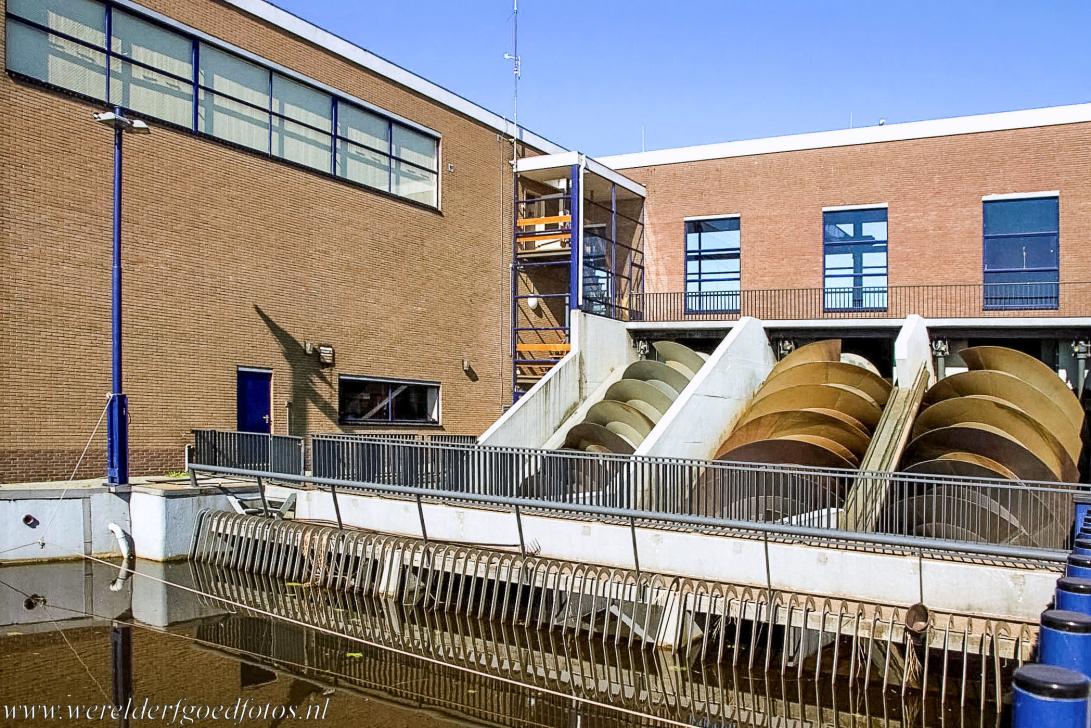
The J.U.Smit Pumping Station at Kinderdijk replaced on older pumping station in 1972 and was expanded in 2005. The modern The J.U.Smit Pumping Station was built at Kinderdijk to drain the Alblasserwaard Polder. The three screws are driven by diesel machines. Nowadays, the screws are computer-guided. This modern pumping station at Kinderdijk can pump about 1.300 m³ of water per minute.