World Heritage Photos

Prehistoric Pile dwellings

The Prehistoric Pile Dwellings around the Alps are the remains of prehistoric settlements in the lakes and moors around the Alps. The World Heritage Site consists of 111 locations spread over six countries around the Alps: Austria, France, Germany, Italy, Slovenia and Switzerland. The prehistoric pile dwellings, also known as stilt houses or palafittes, were built between 5,000 and 500 BC. The remains of these prehistoric pile dwellings provide a vivid insight into the lives of early agricultural societies and the development of ancient farming techniques. Due to rising water levels most of the remains of the prehistoric wooden pile dwellings are not visible; they can now only be found underwater. Several pile dwelling museums house artefacts found by archaeologists during their research. These objects mainly include pottery and tools that fell into the lakes during prehistoric daily life, or when the wooden pile dwellings collapsed over the course of time. In 1872, a number of prehistoric pile dwellings were discovered in Lake Mondsee and Lake Attersee in the Salzkammergut region of Austria. The Austrian Pile Dwelling Museum in Mondsee houses a collection of pile dwelling artefacts. The museum is located in a former monastery next to St. Michael's Church in Mondsee, which was used as a filming location for the musical 'The Sound of Music'. Other pile dwelling sites include Isola di Virginia in Italy and the village of Unteruhldingen on Lake Constance in Germany. The Prehistoric Pile Dwellings around the Alps were declared a UNESCO World Heritage Site in 2011. World Heritage Art: Palafitte

www.werelderfgoedfotos.nl   © Copyright   World Heritage Photos
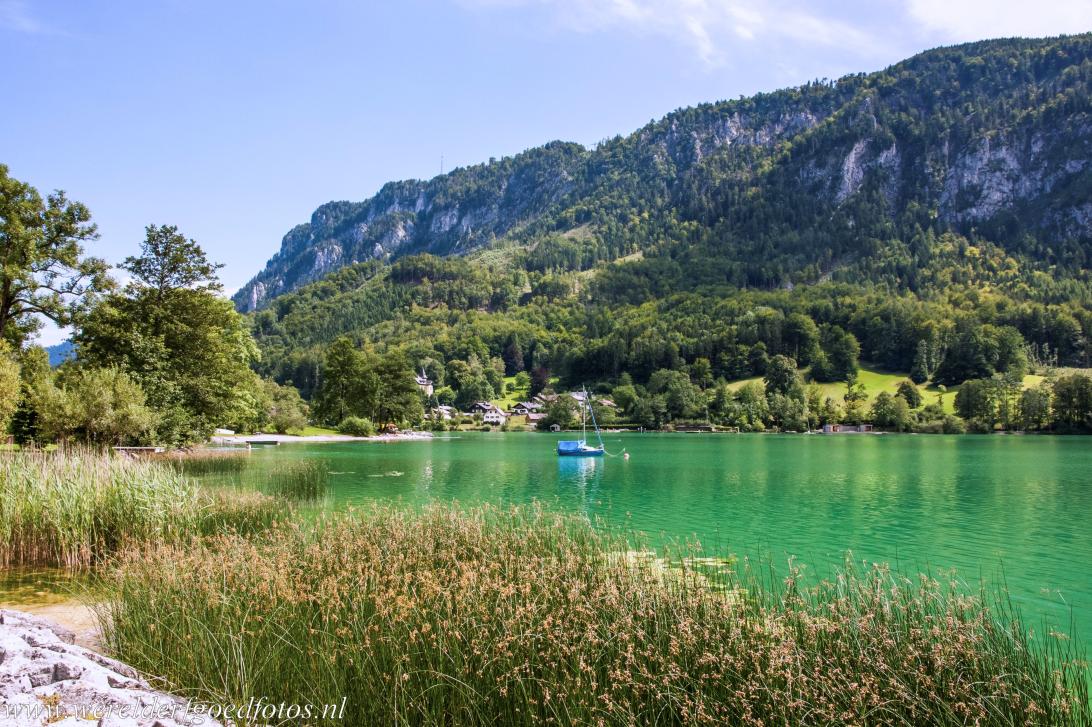
Prehistoric Pile dwellings - Prehistoric Pile dwellings around the Alps: The Lake Mondsee in Austria; the remains of several prehistoric pile dwellings were discovered in Lake...

Prehistoric Pile dwellings around the Alps: The Lake Mondsee in Austria; the remains of several prehistoric pile dwellings were discovered in Lake Mondsee in 1872. Due to the rising water level most of the remains of these prehistoric pile dwellings are not visible any more. Today, they can only be found underwater. These Prehistoric Pile dwellings around the Alps gained status as a UNESCO World Heritage Site in 2011.

  1. Prehistoric Pile dwellings - Prehistoric Pile dwellings around the Alps: The Lake Mondsee in Austria; the remains of several prehistoric pile dwellings were discovered in Lake...

    Prehistoric Pile dwellings around the Alps: The Lake Mondsee in Austria; the remains of several prehistoric pile dwellings were discovered in Lake Mondsee in 1872. Due to the rising water level most of the remains of these prehistoric pile dwellings are not visible any more. Today, they can only be found underwater. These Prehistoric Pile dwellings around the Alps gained status as a UNESCO World Heritage Site in 2011.

  2. Prehistoric Pile dwellings - Prehistoric Pile dwellings around the Alps, Austria: Over 5,000 years ago, prehistoric people built pile dwellings on the banks of Lake Mondsee...

    Prehistoric Pile dwellings around the Alps, Austria: Over 5,000 years ago, prehistoric people built pile dwellings on the banks of Lake Mondsee and Lake Attersee in the Salzkammergut region of Austria. These pile dwellings were built of wood and clay, along with reeds and bark. Climatic changes caused an increase of the water level by approximately 3.5 metres and therefore, these prehistoric pile dwellings can only be found underwater today.

  3. Prehistoric Pile dwellings - Prehistoric Pile dwellings around the Alps, Austria: The remains of a wood pole of a prehistoric pile dwelling. The Austrian Pile Dwelling Museum...

    Prehistoric Pile dwellings around the Alps, Austria: The remains of a wood pole of a prehistoric pile dwelling. The Austrian Pile Dwelling Museum in the rural village of Mondsee houses several pile dwelling artefacts such as pottery and tools. The objects fell into the lakes during prehistoric daily life or when the pile dwellings collapsed over the course of time. 

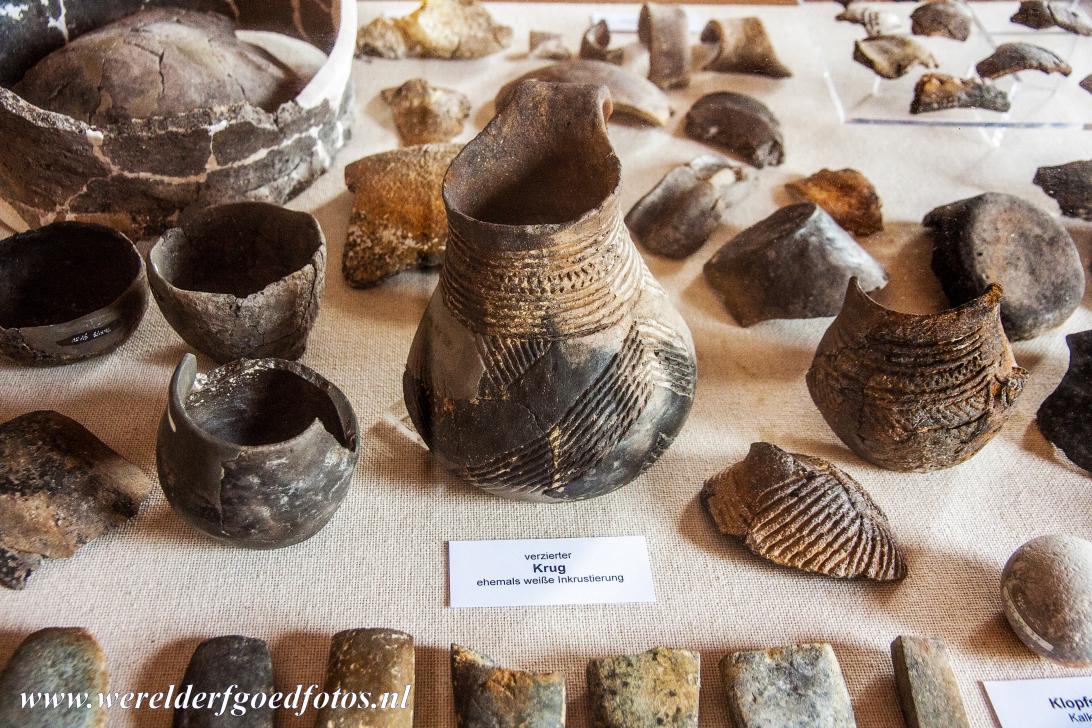
  4. Prehistoric Pile dwellings - Prehistoric Pile dwellings around the Alps: Pile dwelling pottery found at Lake Mondsee. The inhabitants of the prehistoric pile dwellings at Lake...

    Prehistoric Pile dwellings around the Alps: Pile dwelling pottery found at Lake Mondsee. The inhabitants of the prehistoric pile dwellings at Lake Mondsee were famous for their pottery. Archaeologists called this self-contained culture after Lake Mondsee: Mondsee Culture. Objects of this outstanding cultural period are housed in the Austrian Pile Dwelling Museum in the town of Mondsee.

  5. Prehistoric Pile dwellings - Prehistoric Pile dwellings around the Alps: The Austrian Pile Dwelling Museum exhibits objects found at Lake Mondsee. This museum is situated in...

    Prehistoric Pile dwellings around the Alps: The Austrian Pile Dwelling Museum exhibits objects found at Lake Mondsee. This museum is situated in the town of Mondsee next to the entrance of St. Michael's Church. The museum is called: Museum Mondseeland und Österreichisches Pfahlbaumuseum. The Prehistoric Pile Dwellings around the Alps were inscribed on the UNESCO World Heritage List in 2011. 

  6. Prehistoric Pile dwellings - Prehistoric Pile dwellings around the Alps: The remains of the prehistoric pile dwellings provide a vivid insight into the lives of prehistoric...

    Prehistoric Pile dwellings around the Alps: The remains of the prehistoric pile dwellings provide a vivid insight into the lives of prehistoric agricultural societies and the development of ancient farming techniques. The remains of the prehistoric pile dwellings discovered in Lake Mondsee and Lake Attersee are now on display in the Pile Dwelling Museum in Mondsee.

  7. Prehistoric Pile dwellings - Prehistoric Pile dwellings around the Alps: The Austrian Pile Dwelling Museum is situated in a former monastery right next to St. Michael's...

    Prehistoric Pile dwellings around the Alps: The Austrian Pile Dwelling Museum is situated in a former monastery right next to St. Michael's Church in the small town of Mondsee. St. Michael's Church was used for a scene in the musical 'The Sound of Music' in 1965. The church was the setting for the film wedding of Maria and Georg von Trapp.