World Heritage Photos

Fortress of Suomenlinna

Suomenlinna – A Monumental Sea Fort off the Coast of Helsinki

The Fortress of Suomenlinna is located on a cluster of islands just off the coast of Helsinki, the capital of Finland. In the 18th century, when Finland was part of the Kingdom of Sweden, this maritime fortress was designed to guard the strategic waters of the Gulf of Finland. The original layout of fortress was strongly influenced by the ideas of  Vauban. The famous French military engineer Vauban was in his day the brilliant chief engineer of Louis XIV, King of France. 

The construction of the Fortress of Suomenlinna started in 1748. The King's Gate was built between 1753 and 1754 as the ceremonial gateway into the fortress. The dry dock was, at the time of its completion, the biggest in the world. The historic dry dock is still in use. Suomenlinna was a sea fortress, a garrison town and a base for the archipelago navy. In the 19th century, the fortress fell under Russian rule. The guns are a reminder of this period. Kustaanmiekka Isle offers amazing views over the historic bastion fortress and the coastal defence line. The Suomenlinna Church was built as a Russian Orthodox garrison church in 1854. In the 1920s, during the early days of Finnish independence, the church was converted into an Evangelical-Lutheran Church.

Nowadays, the Finnish Naval Academy is situated on Suomenlinna. For visitors, the fortress is only accessible by water. The ferry trip from Helsinki Kauppatori (the Market Square and Market Hall) to Suomenlinna takes about 15 minutes. There are guided tours, but it is also possible to explore the Fortress of Suomenlinna on your own. The Fortress of Suomenlinna was declared a UNESCO World Heritage Site in 1991. World Heritage Art: Suomenlinna Ramparts

www.werelderfgoedfotos.nl   © Copyright   World Heritage Photos
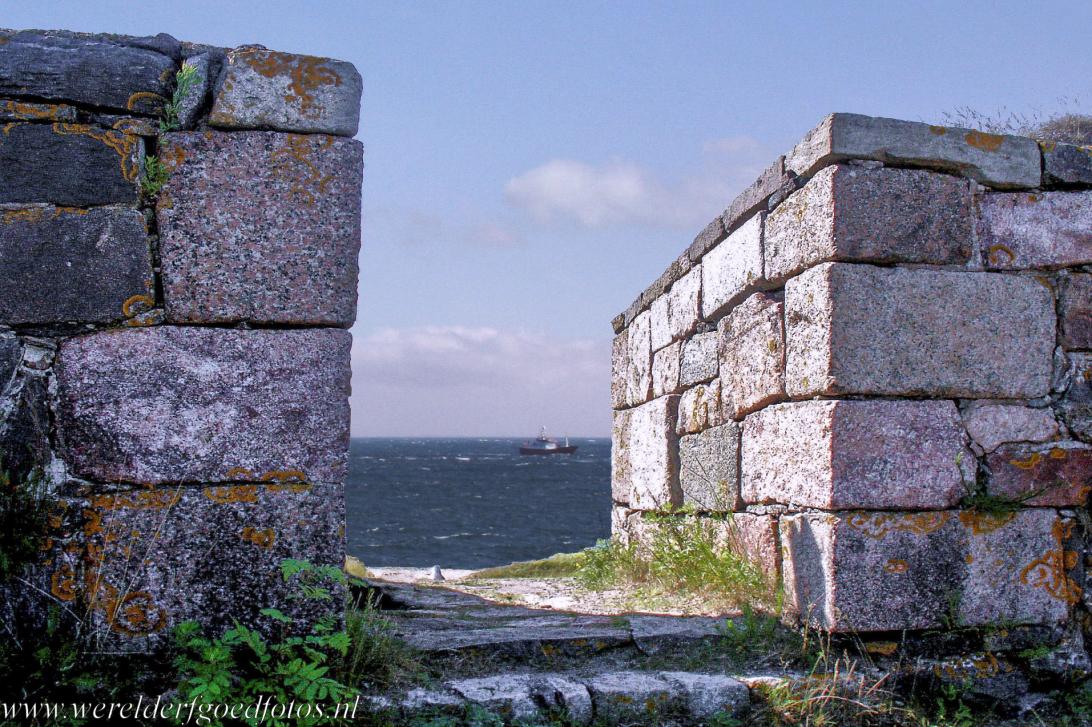
Fortress of Suomenlinna - Fortress of Suomenlinna: The ramparts of Suomenlinna were constructed in the 18th century. Most of the fortifications are still intact. The...

Fortress of Suomenlinna: The ramparts of Suomenlinna were constructed in the 18th century. Most of the fortifications are still intact. The King's Gate was built between 1753 and 1754 as a ceremonial gateway into the immense fortress. The dry dock was, at the time of its completion, the biggest in the world and is still in use. This stronghold was built on six islands in the Gulf of Finland. The Kustaanmiekka Isle offers amazing views of the coastal defence line. The fortress is now one of the most popular tourist attractions in Finland. 
  1. Fortress of Suomenlinna - Fortress of Suomenlinna: The ramparts of Suomenlinna were constructed in the 18th century. Most of the fortifications are still intact. The...

    Fortress of Suomenlinna: The ramparts of Suomenlinna were constructed in the 18th century. Most of the fortifications are still intact. The King's Gate was built between 1753 and 1754 as a ceremonial gateway into the immense fortress. The dry dock was, at the time of its completion, the biggest in the world and is still in use. This stronghold was built on six islands in the Gulf of Finland. The Kustaanmiekka Isle offers amazing views of the coastal defence line. The fortress is now one of the most popular tourist attractions in Finland. 
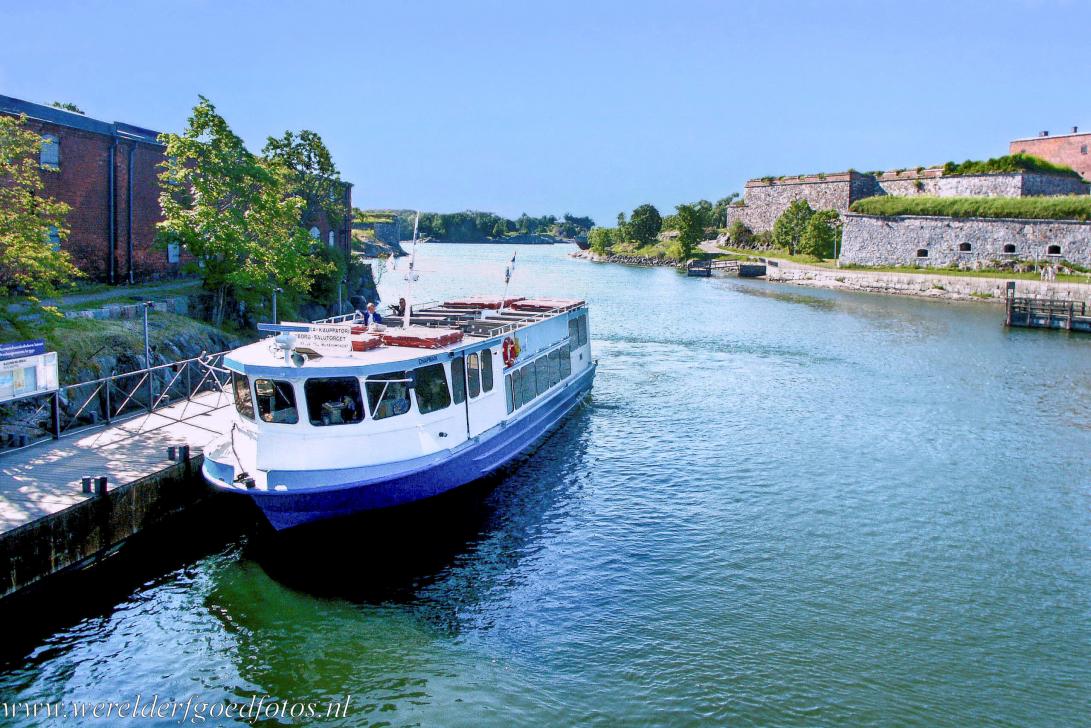
  2. Fortress of Suomenlinna - Fortress of Suomenlinna: The harbour of Suomenlinna. The fortress is located on a group of islands off the coast of Helsinki in Finland....

    Fortress of Suomenlinna: The harbour of Suomenlinna. The fortress is located on a group of islands off the coast of Helsinki in Finland. The construction of Suomenlinna started in 1748, when it was Swedish territory. King Adolf Frederick of Sweden docked his ship for the first time at the King's Gate. This unique stronghold is a good example of 18th-century European military architecture. Suomenlinna is a historic maritime fortress, a garrison town and a base for the archipelago navy. During the Swedish period, the name of this seafort was 'Sveaborg'.

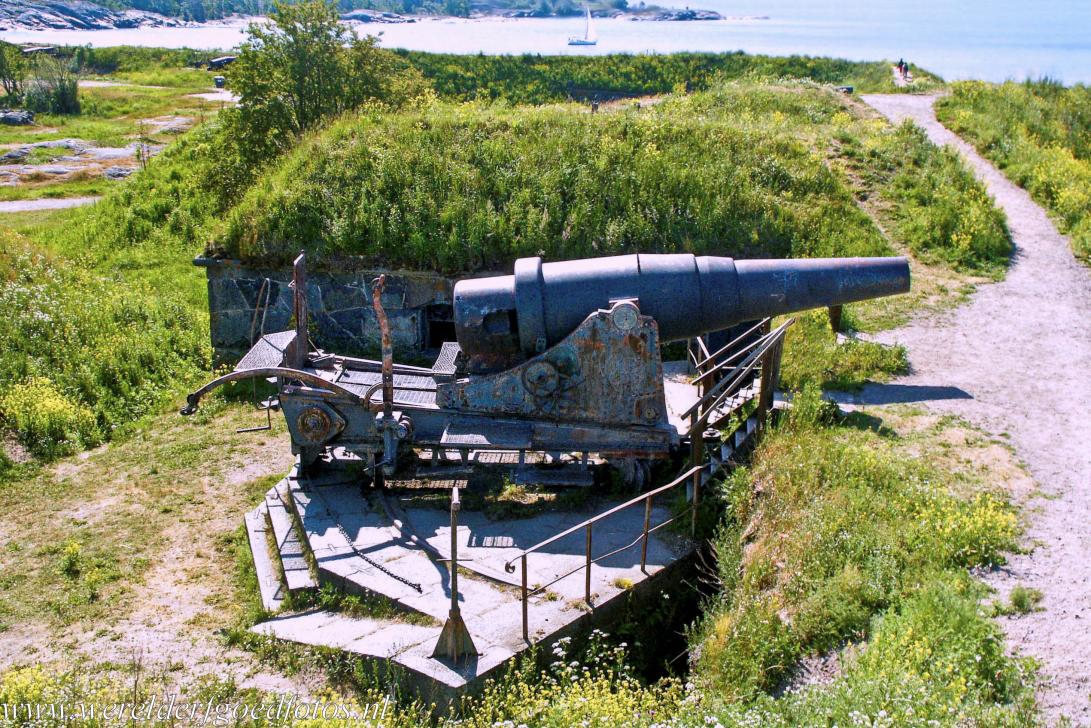
  3. Fortress of Suomenlinna - Fortress of Suomenlinna: The guns facing west and south are a reminder of the period under Russian rule between 1808 and 1918. There are still...

    Fortress of Suomenlinna: The guns facing west and south are a reminder of the period under Russian rule between 1808 and 1918. There are still about 105 Russian cannons dating from the mid-19th century scattered across these fortifications. During the Crimean War, a combined Anglo-French fleet bombarded Suomenlinna; leaving it severely damaged. In the late 19th century and the beginning of the 20th century, Suomenlinna was restored; but it subsequently lost its military importance. Now, it is just one of the many historic fortresses in Finland.

  4. Fortress of Suomenlinna - Fortress of Suomenlinna: The Suomenlinna Church was built as a Russian Orthodox Church in 1854. In the 1920s, during the early days of...

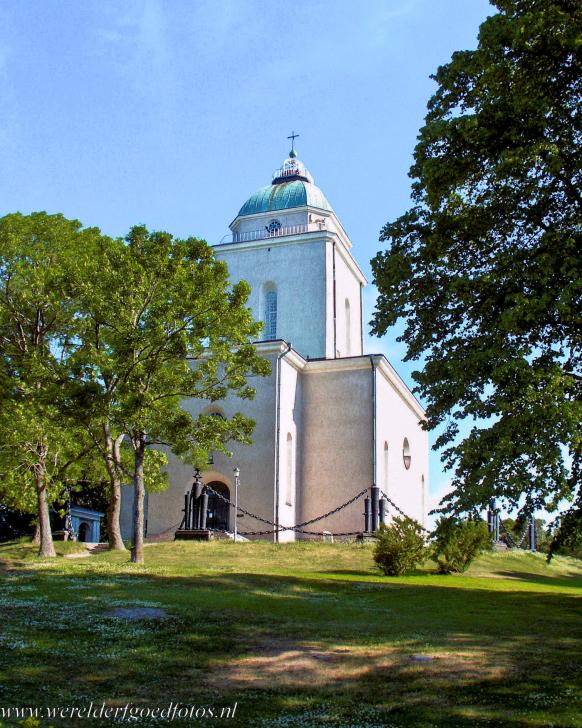
    Fortress of Suomenlinna: The Suomenlinna Church was built as a Russian Orthodox Church in 1854. In the 1920s, during the early days of Finnish independence, it was converted into an Evangelical-Lutheran Church. The building now serves a dual purpose. The Finns wanted to remove anything that reminded them of Russian rule; the five typically Russian Orthodox onion domes were dismantled and the Finns installed a lighthouse lantern in their place. Finland's heaviest church bell hangs in the small bell cage next to the church and weighs a staggering 6,683 kilograms.

  5. Fortress of Suomenlinna - Fortress of Suomenlinna: The submarine Vesikko. After the First World War, under the Treaty of Versailles (1919), Germany was no longer permitted...

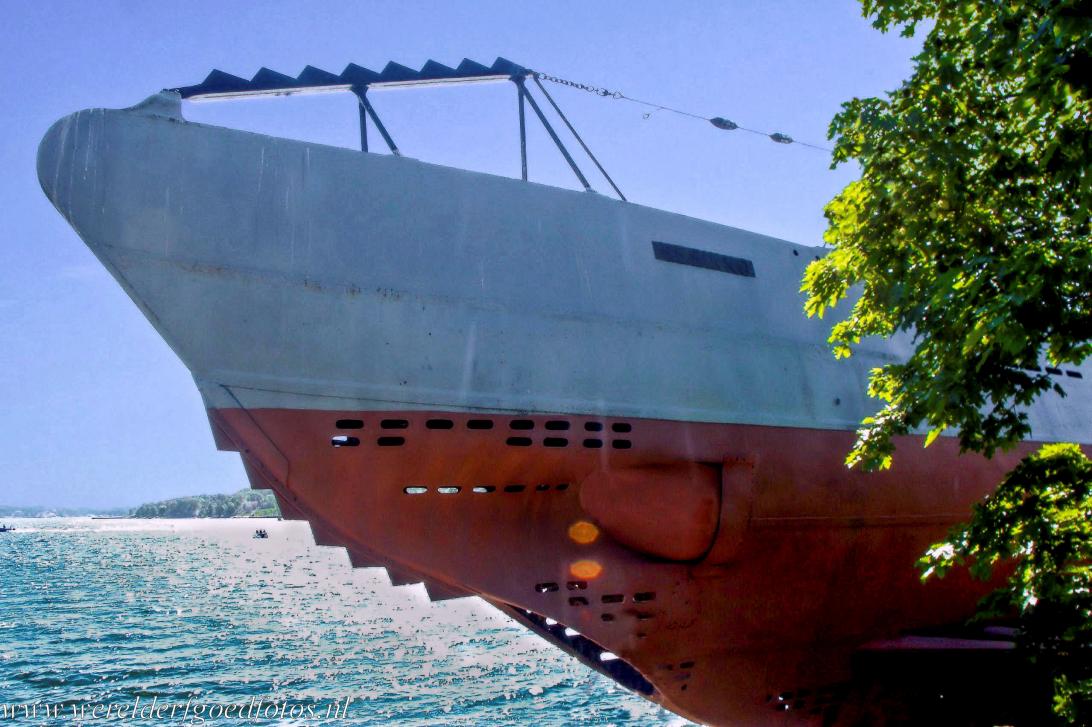
    Fortress of Suomenlinna: The submarine Vesikko. After the First World War, under the Treaty of Versailles (1919), Germany was no longer permitted to build or possess submarines, tanks and military aircraft. To circumvent this ban, the Germans already set up a secret front company in 1922 in the Netherlands, where the submarine was designed. The submarine was subsequently built in 1933 at a Finnish shipyard in Turku. Later, Finland bought the submarine.

  6. Fortress of Suomenlinna - Fortress of Suomenlinna: The conning tower of Vesikko. This tower is situated directly above the central control room. The submarine was...

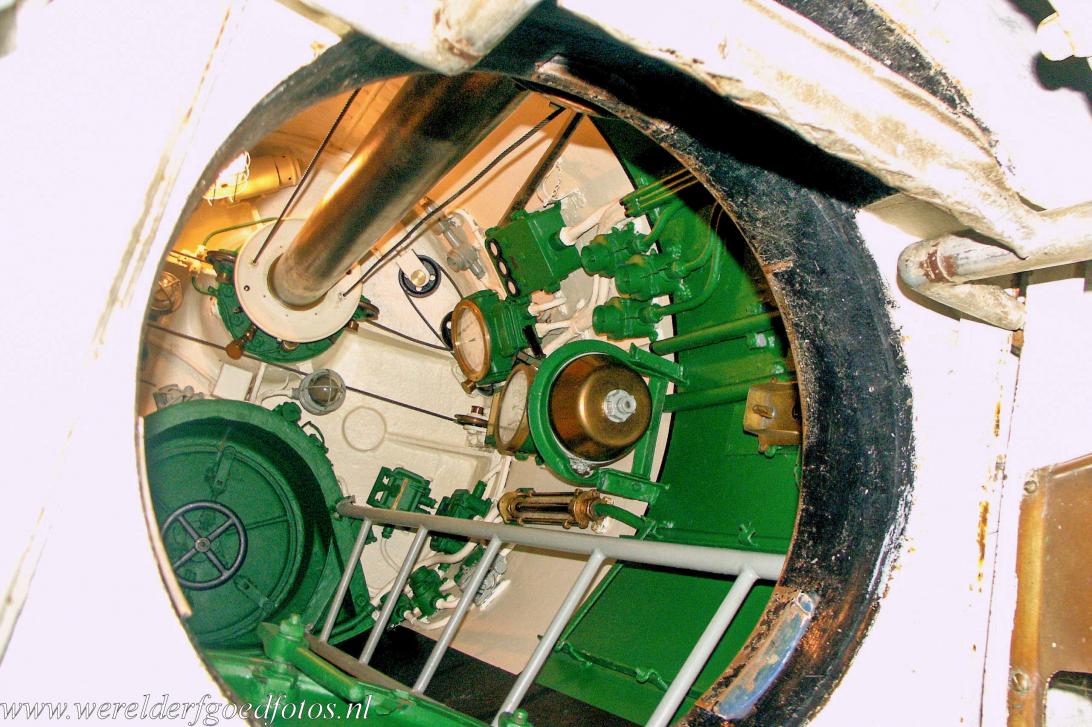
    Fortress of Suomenlinna: The conning tower of Vesikko. This tower is situated directly above the central control room. The submarine was used in the Second World War. Together with four other Finnish submarines, Vesikko operated in the Gulf of Finland between 1939 and 1944. The submarine was code-named CV-707. Today, the submarine is one of the main visotor attractions in Suomenlinna. In 1973, after extensive restoration works, Vesikko was opened to the public as a museum.

  7. Fortress of Suomenlinna - Fortress of Suomenlinna: The manned central control room of the Vesikko. During their visit, visitors can experience the cramped, uncomfortable...

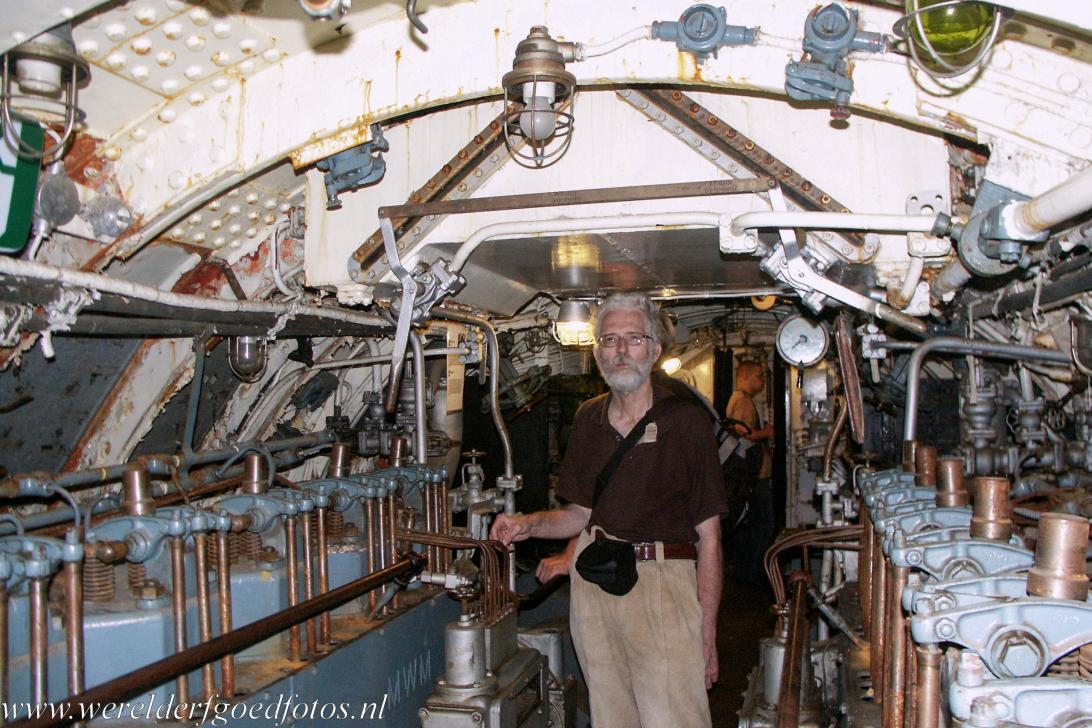
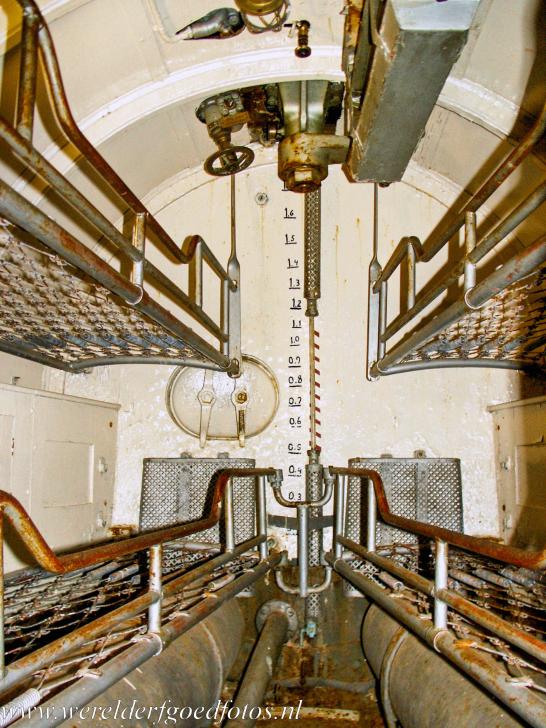
    Fortress of Suomenlinna: The manned central control room of the Vesikko. During their visit, visitors can experience the cramped, uncomfortable interior of the submarine Vesikko. About twenty crew members worked and slept here dozens of metres beneath the surface of the sea. Finland bought the submarine from Germany in 1936 and renamed her Vesikko. It was one of the five submarines the Finnish Navy has ever owned. This former German U-boat was the prototype for all German Type II U-boats.

  8. Fortress of Suomenlinna - Fortress of Suomenlinna: The bunks for the crew of Vesikko. During the Second World War, Finland was one of Germany's most important...

    Fortress of Suomenlinna: The bunks for the crew of Vesikko. During the Second World War, Finland was one of Germany's most important allies. After the war, by the Paris Peace Treaty of 1947, Finland was not allowed to own submarines. In 1953, all Finnish submarines were sold for scrap to Belgium. The only Finnish submarine to escape this fate was Vesikko. This submarine was transported in sections to Suomenlinna and reconstructed. The Fortress of Suomenlinna was declared a UNESCO World Heritage Site in 1991.

  9. Fortress of Suomenlinna - Fortress of Suomenlinna: This plaque was mounted on one of the bastions of this sea fortress. Unlike brick, solid granite barely splinters...

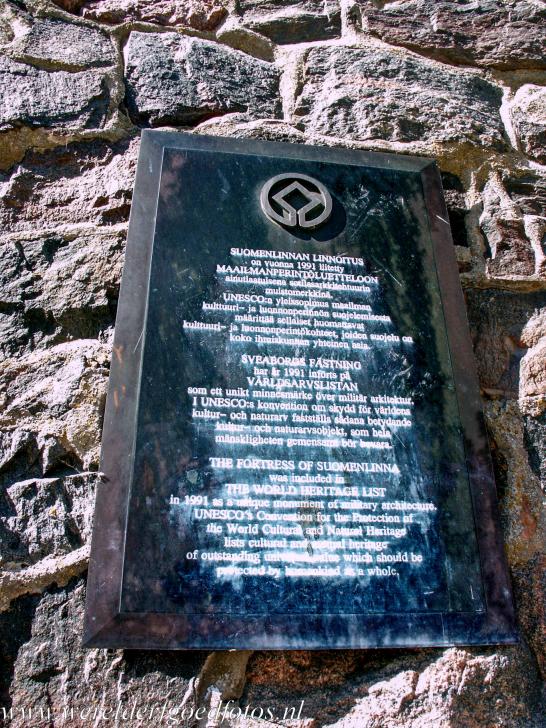
    Fortress of Suomenlinna: This plaque was mounted on one of the bastions of this sea fortress. Unlike brick, solid granite barely splinters when struck by cannonballs. This made the fortress's outer walls extremely resistant to attacks from the Gulf of Finland. Suomenlinna is no longer used for military purposes; it is now a district of Helsinki where people live and work. Guided tours are available in Suomenlinna, but exploring this historic fortress island independently is permitted. 

  10. Fortress of Suomenlinna - The ferry to Suomenlinna departs from the harbour of Helsinki, with the Helsinki Market Square (Kauppatori) and the Old Market Hall (Vanha...

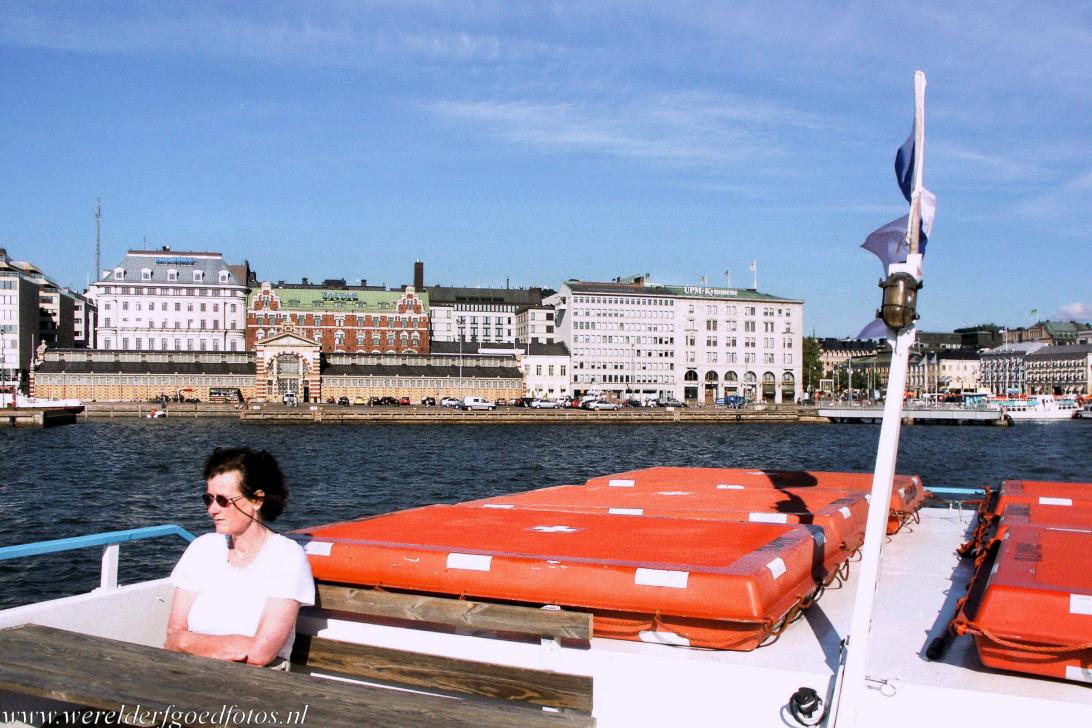
    The ferry to Suomenlinna departs from the harbour of Helsinki, with the Helsinki Market Square (Kauppatori) and the Old Market Hall (Vanha Kauppahalli) in the background. The ferry trip from Kauppatori to this sea fortress takes about 15 minutes. Suomenlinna is accessible all year round. For tourists, Suomenlinna is only accessible by water, but there is an undersea service tunnel between the fortress and Helsinki for utilities and emergency vehicles. The Fortress of Suomenlinna was inscribed on the UNESCO World Heritage List in 1991.