World Heritage Photos

Kronborg Castle

Kronborg Castle – A mythical stronghold on the Sound

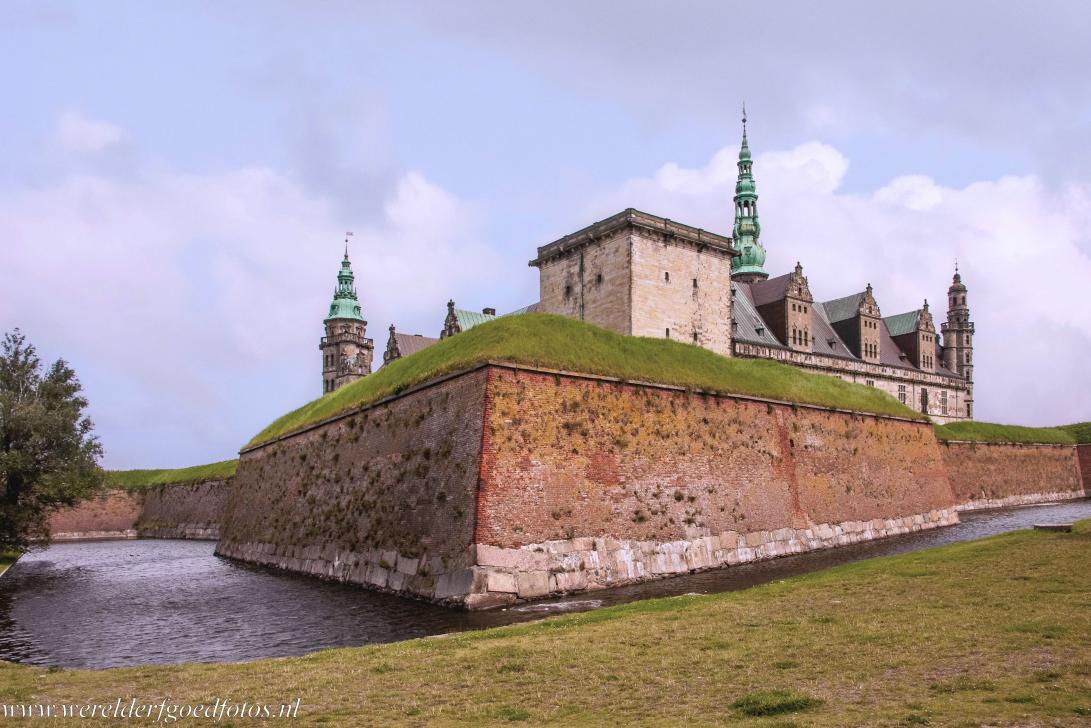
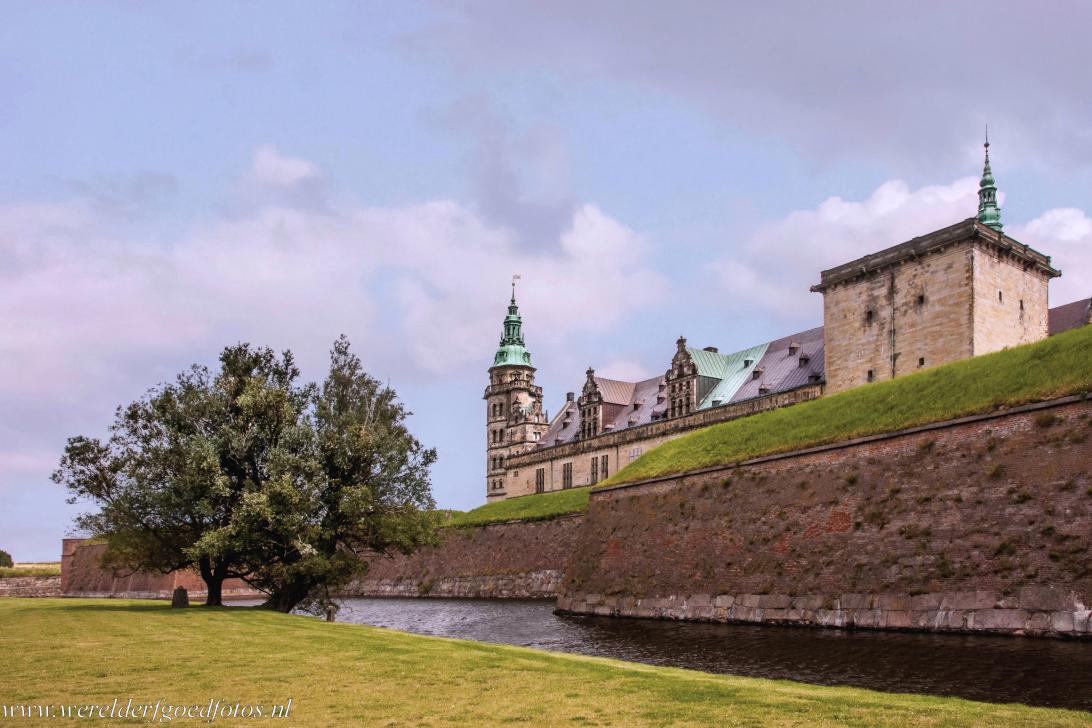
Around 1425, Krogen Castle was built on a narrow peninsula along the coast. Between 1574 and 1585, the castle was transformed into a Renaissance castle and named Kronborg. This imposing castle is situated at the narrowest point of the Øresund, the sound between Denmark and Sweden and the entrance to the Baltic Sea. Kronborg is one of the most important Renaissance castles in Northern Europe.

Kronborg was renowned throughout Europe for its beauty, but yet notorious for its purpose. It was not only a royal residence but also a toll fortress; passing ships had to pay the high Sound Dues. At that time, the vast majority of the ships came from the Netherlands. The exact details and cargoes of every sigle ship were meticulously recorded in toll registers by the tax officials. Nowadays, the historic Sound Toll Registers are safely kept in the Danish National Archives in Copenhagen and are inscribed on the UNESCO Memory of the World Register.

Kronborg was destroyed by a devastating fire in 1629. Although King Christian IV successfully rebuilt the castle, it was heavily damaged and looted during a brutal Swedish siege and occupation in 1658. Following these conflicts, the stronghold served as army barracks for over a century. After a historical restoration, Kronborg was finally opened to the public in 1924.

Kronborg Castle is situated close to Helsingør and gained worldwide fame as 'Elsinore' in William Shakespeare's 'Hamlet'. Shakespeare wrote this famous tragedy about the Prince of Denmark around 1600 and set the play at Kronborg Castle. Several other World Heritage Sites are located near Kronborg Castle: Stevns Klint about 105 kilometres to the south, Roskilde Cathedral about 70 kilometres to the southwest, and Jægersborg Dyrehave about 38 kilometres to the south. Kronborg Castle was inscribed on the UNESCO World Heritage List in 2000.

www.werelderfgoedfotos.nl   © Copyright   World Heritage Photos
➔
➔
Kronborg Castle - Kronborg Castle is situated on a small promontory near Helsingør, about 45 kilometres north of Copenhagen. This iconic stronghold stands in...

Kronborg Castle is situated on a small promontory near Helsingør, about 45 kilometres north of Copenhagen. This iconic stronghold stands in a strategic position at the narrowest point of the Øresund, the vital sound between Denmark and Sweden that connects the Baltic Sea and the Kattegat. For centuries, ships passing into the Baltic Sea paid high dues at this toll fortress. Between 1574 and 1585, the original 15th-century Fort Krogen was rebuilt into one of the most magnificent Renaissance castles in Europe and named Kronborg. Today, this castle is one of the top attractions in Denmark.
  1. Kronborg Castle - Kronborg Castle is situated on a small promontory near Helsingør, about 45 kilometres north of Copenhagen. This iconic stronghold stands in...

    Kronborg Castle is situated on a small promontory near Helsingør, about 45 kilometres north of Copenhagen. This iconic stronghold stands in a strategic position at the narrowest point of the Øresund, the vital sound between Denmark and Sweden that connects the Baltic Sea and the Kattegat. For centuries, ships passing into the Baltic Sea paid high dues at this toll fortress. Between 1574 and 1585, the original 15th-century Fort Krogen was rebuilt into one of the most magnificent Renaissance castles in Europe and named Kronborg. Today, this castle is one of the top attractions in Denmark.
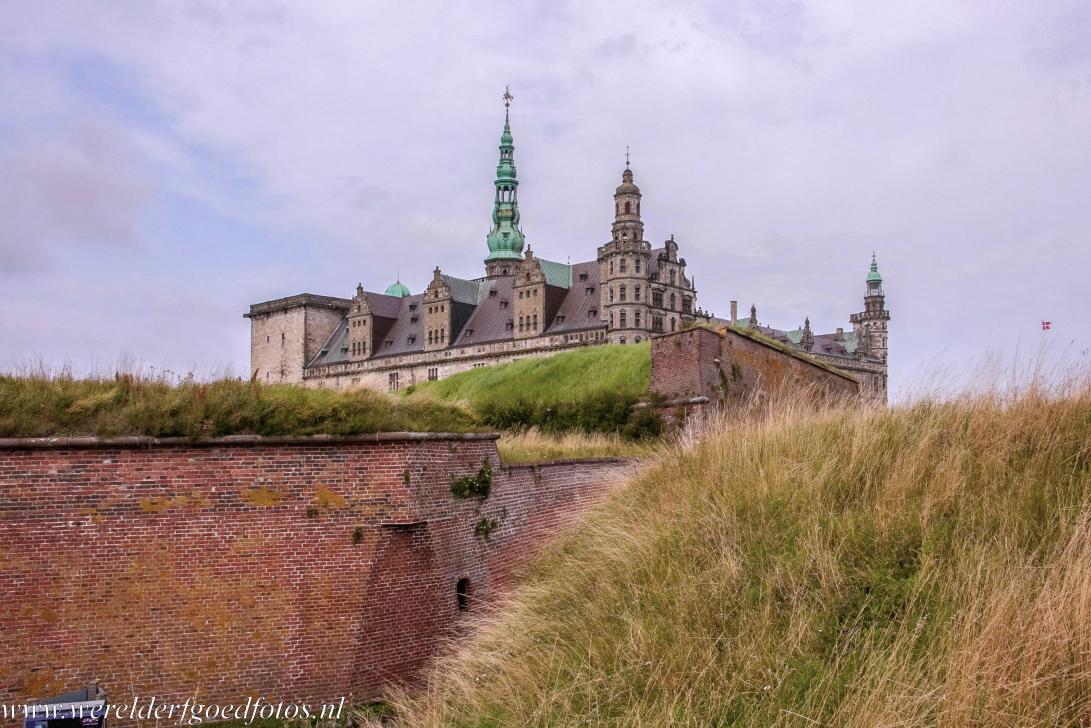
  2. Kronborg Castle - The Flag Bastion (Flagbastionen) is the best-known and strategically most important defensive platform of Kronborg Castle. Standing on this...

    The Flag Bastion (Flagbastionen) is the best-known and strategically most important defensive platform of Kronborg Castle. Standing on this bastion are historic bronze cannons dating from the 1760s, which are still used to fire salutes on special occasions. This fortress was built to dominate the Øresund. The bastions were constructed in such a way that the fortifications could be defended from all sides. Since April 1811, the Danish flag has flown daily over the fortress from sunrise to sunset. With this, the Danish military demonstrated to the entire world that the castle was an active, manned, and combat-ready military fortress.

  3. Kronborg Castle - Kronborg Castle is world-famous thanks to Hamlet, the Danish prince from the play by the English writer William Shakespeare (1564–1616)....

    Kronborg Castle is world-famous thanks to Hamlet, the Danish prince from the play by the English writer William Shakespeare (1564–1616). Shakespeare chose Kronborg Castle as the fictional setting for his drama. In Hamlet, he called it 'Elsinore', a name based on Helsingør, the Danish town where Kronborg is located. Shakespeare wrote his tragedy about Hamlet around 1600. Whether William Shakespeare ever visited the castle remains a mystery. He based the tragedy of Prince Hamlet on Danish sources dating back to around 1200. Helsingør was once one of the most important cities in Northern Europe.

  4. Kronborg Castle - Kronborg is a star fort and is surrounded by a deep water-filled moat. The Dark Gate is the gateway to the castle. The bastions were designed so...

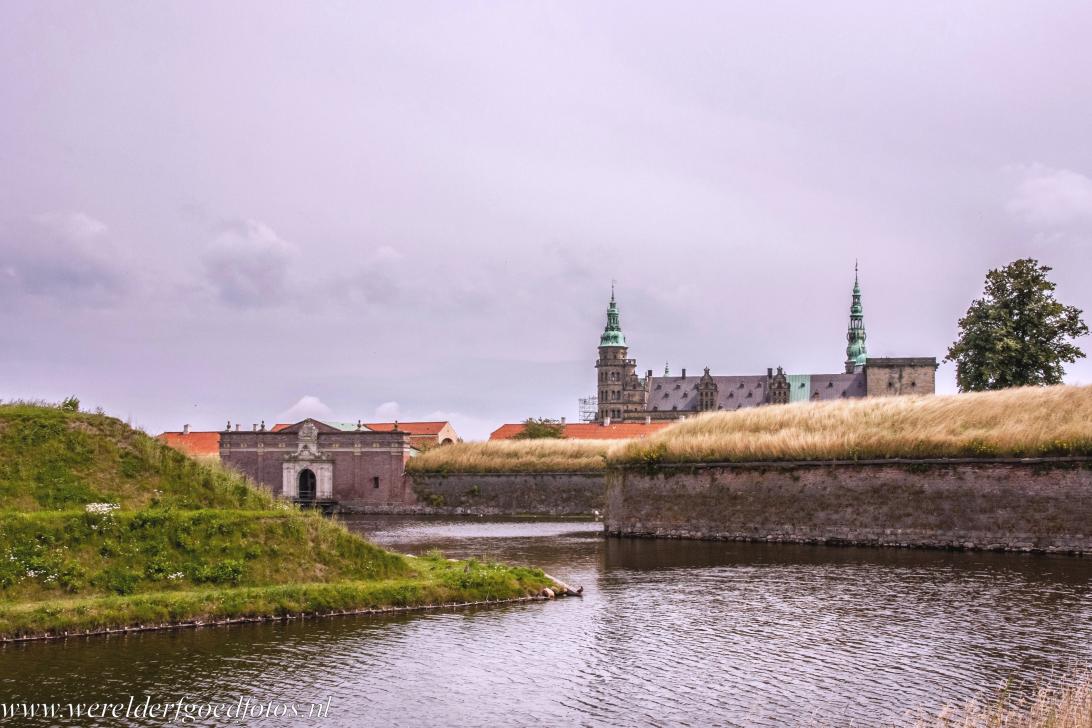
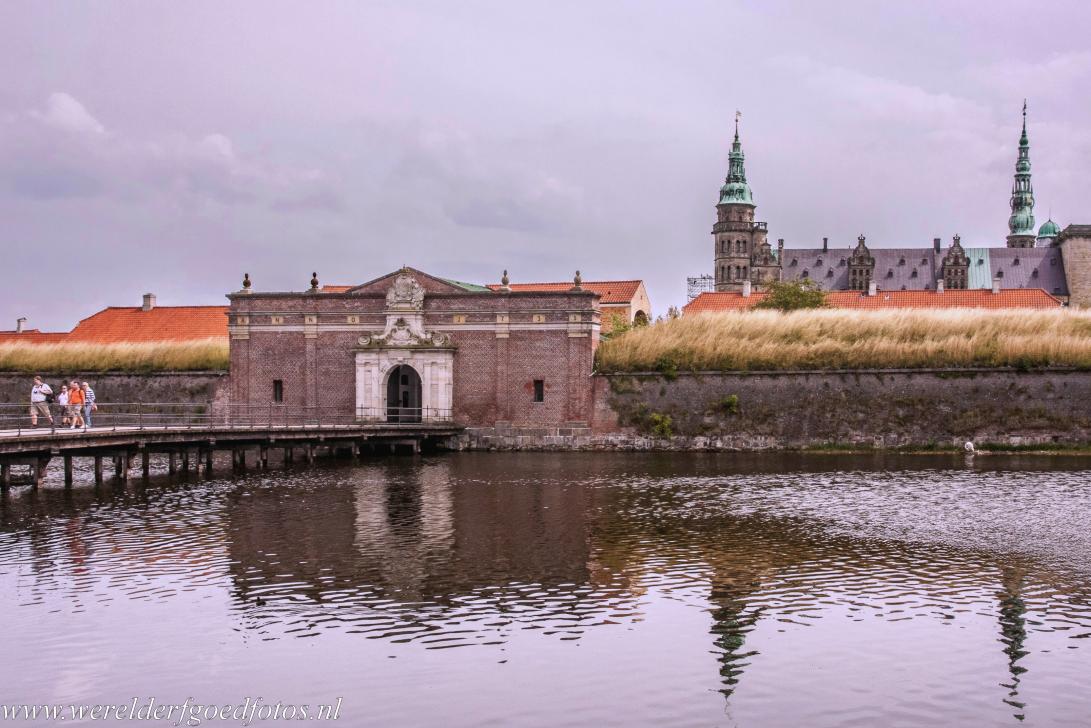
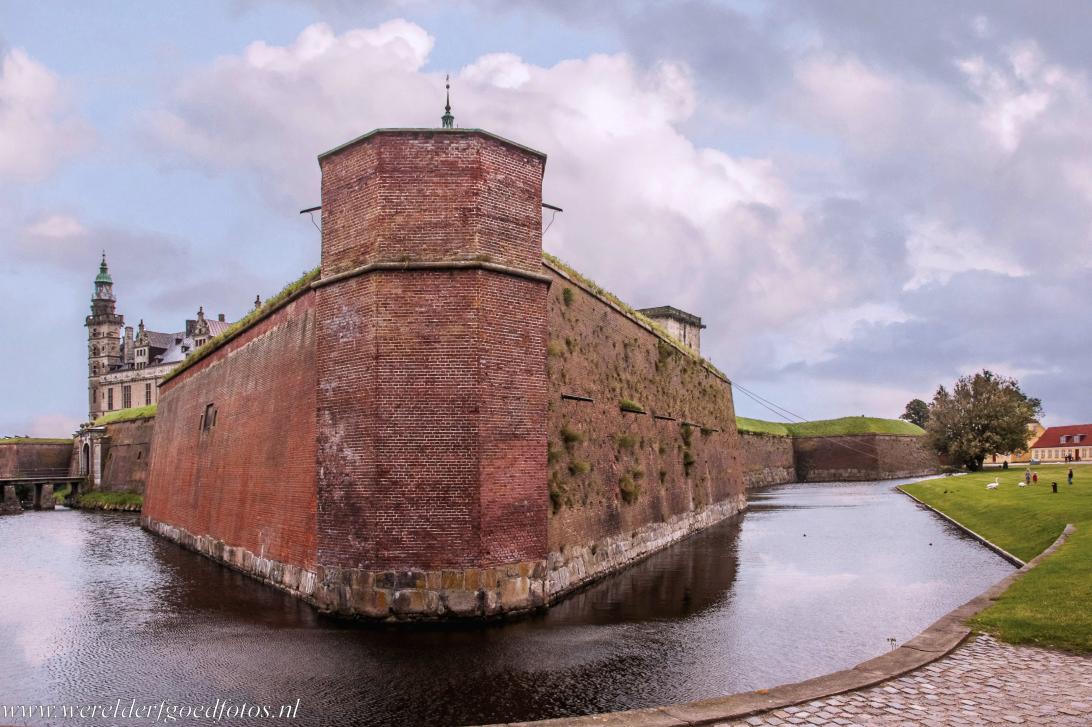
    Kronborg is a star fort and is surrounded by a deep water-filled moat. The Dark Gate is the gateway to the castle. The bastions were designed so that troops could defend the bridge across the moat from various directions. The stronghold was famous throughout Europe for its beauty, but also notorious; ships passing through the Øresund to reach the Baltic Sea were required to pay very high dues. These tolls were a major source of revenue for the castle's owner, the King of Denmark. Kronborg Castle was inscribed on the UNESCO World Heritage List in 2000.

  5. Kronborg Castle - Kronborg Castle is surrounded by a deep moat and seven bastions. The way into the castle passes through the Dark Gate...

    Kronborg Castle is surrounded by a deep moat and seven bastions. The way into the castle passes through the Dark Gate (Mørkeport), a dark and long tunnel-like passage leading to the forecourt, the Four-Gate Courtyard, and the main gate. During the Dano-Swedish War, Kronborg was captured by Swedish troops in 1658. After the war, it became claer that the fortifications on the vulnerable landward sides had to be strengthened. Between 1688 and 1690, the moat and an advanced defensive line were constructed in the shape of a crown: the Crownwork.

  6. Kronborg Castle - The Dark Gate viewed from the forecourt of Kronborg Castle. Inside the gate is a reconstruction of a slave's cell. From the 17th to the...

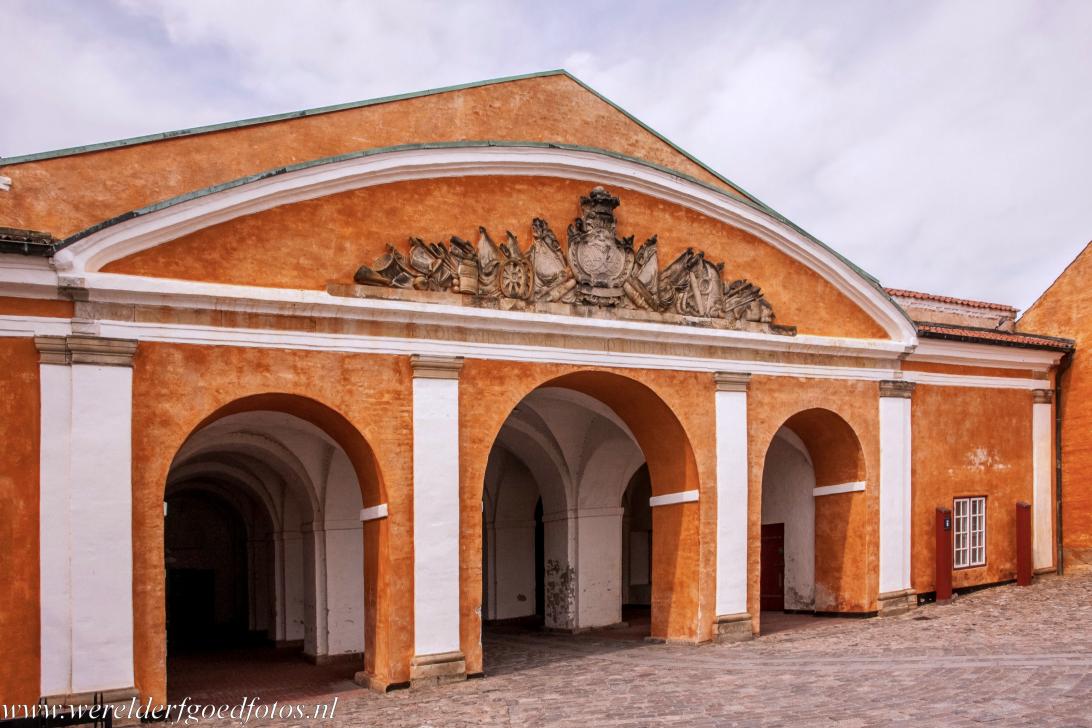
    The Dark Gate viewed from the forecourt of Kronborg Castle. Inside the gate is a reconstruction of a slave's cell. From the 17th to the mid-19th century, criminals could be sentenced to hard labour on the fortifications of Kronborg Castle. While the quarters in Kronborg's Slavery were designed for forty-seven inmates, they were frequently overcrowded. These criminals were imprisoned for offences such as theft, fraud, vagrancy, and counterfeiting. The punishment could be for a specified period or for life.  

  7. Kronborg Castle - The Queen's Tower of Kronborg Castle was the queen's private chamber, which is situated in the northeastern tower of the building....

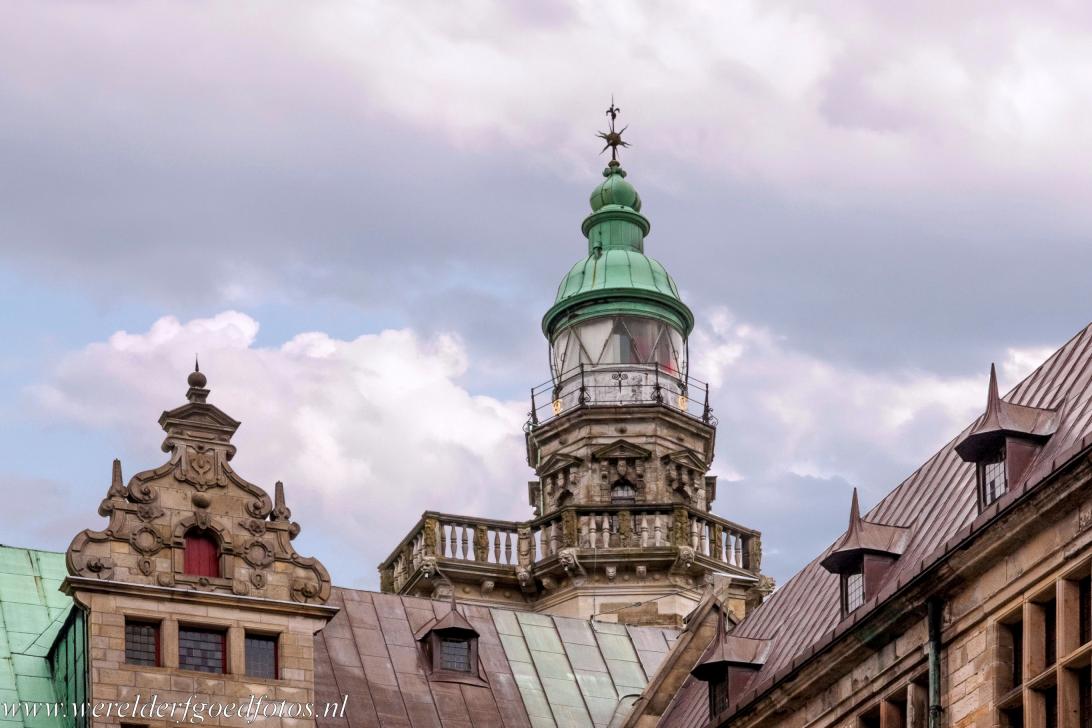
    The Queen's Tower of Kronborg Castle was the queen's private chamber, which is situated in the northeastern tower of the building. The windows offered a spectacular view of the Øresund and the incoming ships. The tower now houses a lighthouse. In 1772, the first light source in the tower consisted of three or four oil lamps, placed in a window. The present lighthouse was put into service in 1878. The richly decorated lantern and crown on the spire date from the same year. The tower and the lighthouse dome have a combined height of approximately 34 metres. 

  8. Kronborg Castle - The vaulted cellars and casemates (kasematterne) below Kronborg Castle were built between 1574 and 1576. They form a vast, dark network of...

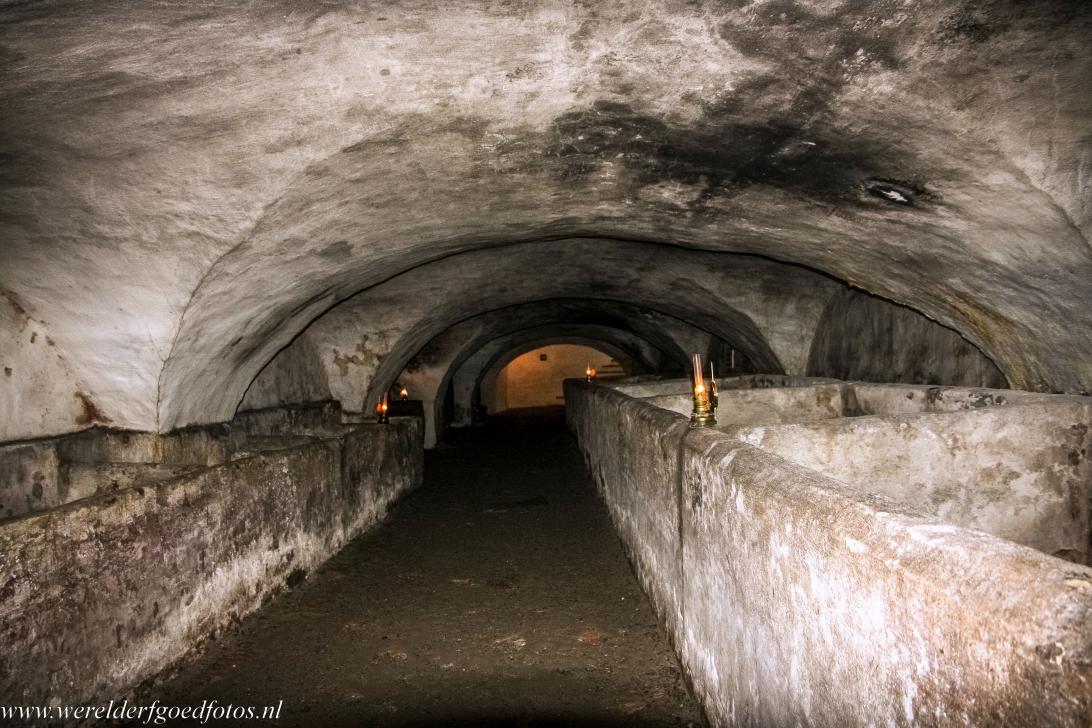
    The vaulted cellars and casemates (kasematterne) below Kronborg Castle were built between 1574 and 1576. They form a vast, dark network of underground passages and vaults lying deep beneath the fortress's seven bastions. The casemates have protected soldiers in times of war. They were able to barricade themselves inside the casemates for weeks; there were provisions to feed over 350 men for up to six weeks. There was also room for a maximum of 100 horses. In the casemates beneath the castle stands an iconic statue of Holger Danske, a mythical Danish hero and knight of Charlemagne.

  9. Kronborg Castle - A detail of the artfully sculpted and gilded pews of the castle chapel of Kronborg. The pews on the gallery were reserved for the royal family....

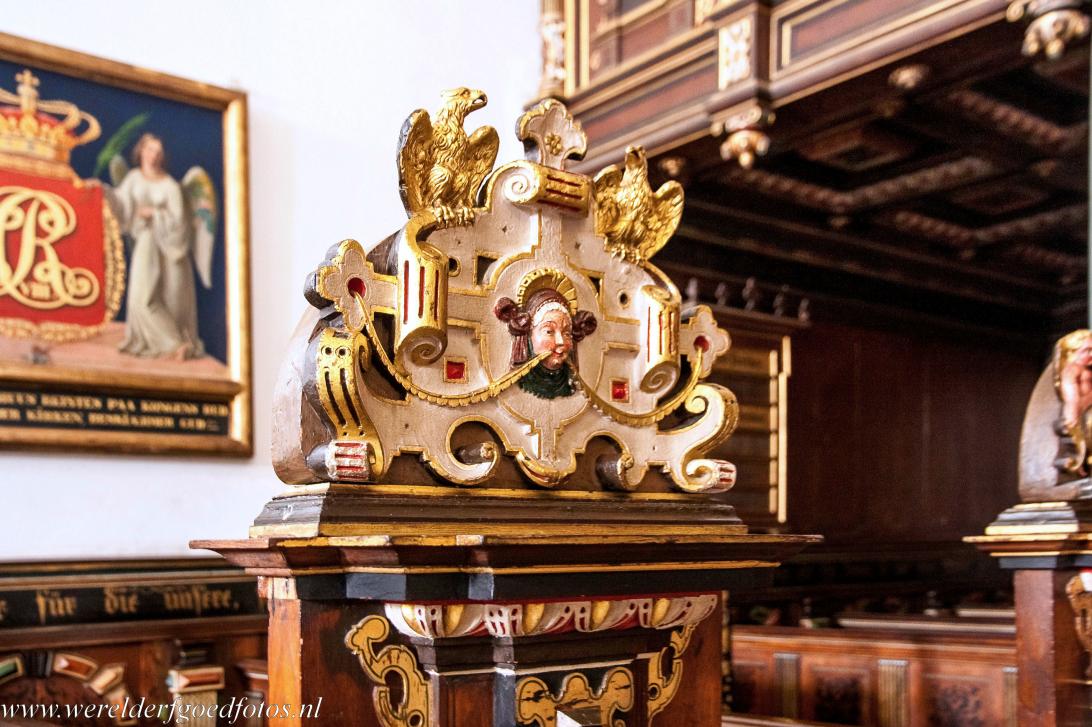
    A detail of the artfully sculpted and gilded pews of the castle chapel of Kronborg. The pews on the gallery were reserved for the royal family. The chapel is located on the ground floor and was consecrated in 1582. In 1629, Kronborg Castle was severely damaged by a devastating fire that consumed almost the entire interior; the chapel, however, was spared and is the only room where the original, lavish interior dating from the reign of King Frederik II has been preserved. Kronborg was reconstructed and is considered one of the most important Renaissance castles in Northern Europe.

  10. Kronborg Castle - The gilded pews of the Kronborg Castle chapel. Among the most important rooms within the fortress are this iconic chapel and the imposing...

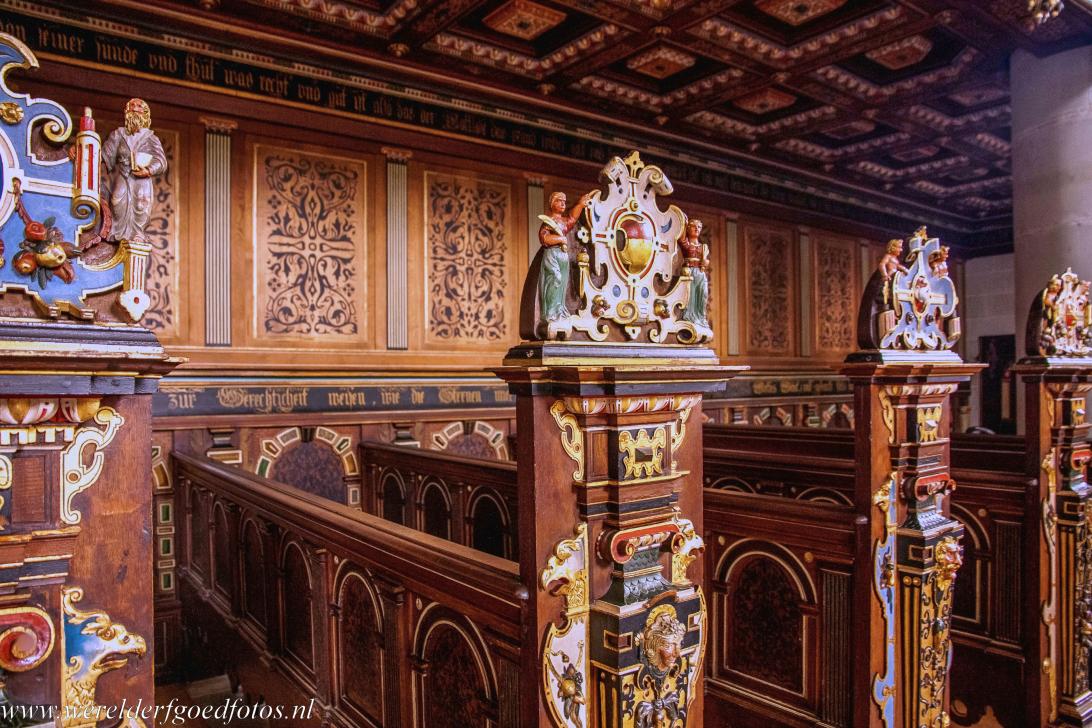
    The gilded pews of the Kronborg Castle chapel. Among the most important rooms within the fortress are this iconic chapel and the imposing 62-metre-long ballroom, the largest of its kind in Northern Europe. While a devastating fire in 1629 consumed almost the entire interior, the chapel was miraculously spared and remains intact. Today Kronborg Castle houses exceptional collections of Renaissance and Baroque interiors. Unfortunately, when this impressive castle was bombarded and captured by Swedish troops in 1658, many of its original works of art were taken to Sweden as spoils of war.

  11. Kronborg Castle - The 17 cannons on the Flag Bastion of Kronborg Castle are facing the coast of Sweden, which lies just 4 kilometres away on the other side of the...

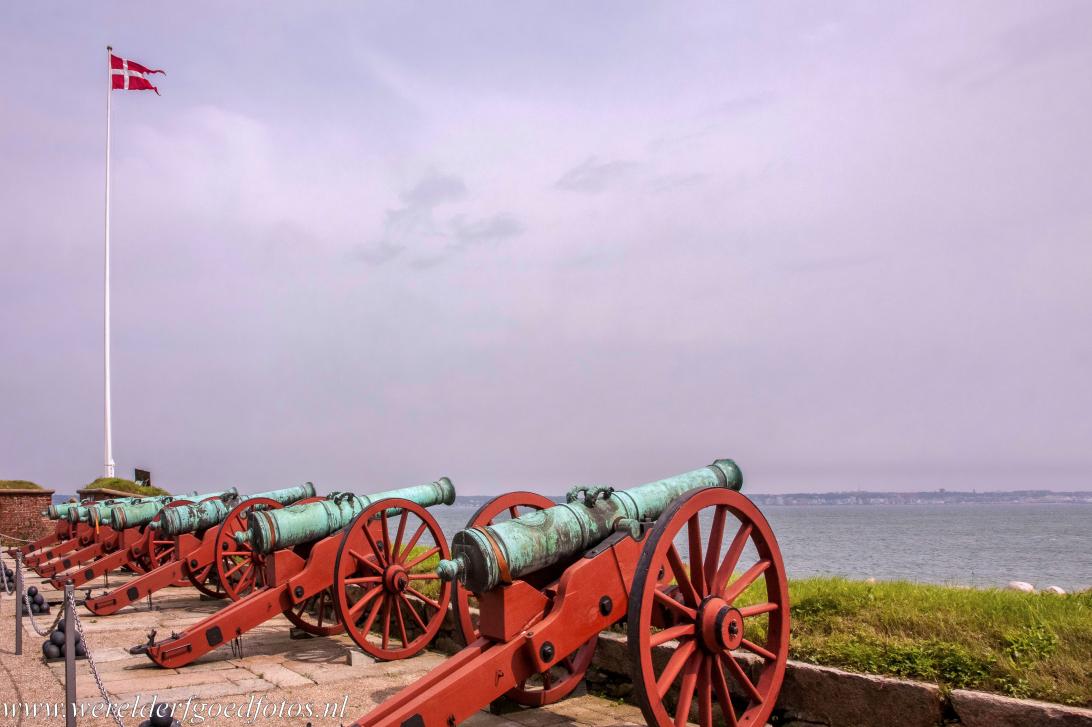
    The 17 cannons on the Flag Bastion of Kronborg Castle are facing the coast of Sweden, which lies just 4 kilometres away on the other side of the ØresundI. In its heyday, Kronborg Castle was a giant statement of military power. These bronze guns were cast between 1766 and 1769 in the Danish town of Frederiksværk and were modernised when they were about hundred years old. At that time, they were intended to express the power of the king. The Dannebrog, the Danish flag, flies over the fortress. The version flown here is the Splitflag (a swallow-tailed variant of the Danish flag), which is reserved for government and military use.

  12. Kronborg Castle - The Mint Bastion (Møntbastionen) at the southwestern corner of Kronborg Castle, featuring the square cannon tower that was heavily damaged...

    The Mint Bastion (Møntbastionen) at the southwestern corner of Kronborg Castle, featuring the square cannon tower that was heavily damaged by a Swedish bombardment in 1658. Over the centuries, the castle was plundered and damaged several times. Kronborg was converted into army barracks in 1785. The army left in 1923. After a long period of renovations, the stronghold regained its former beauty. Kronborg was opened to the public in 1938. This unique structure is situated on the Danish island of Zealand.