Rhaetian Railway in the Albula / Bernina Landscapes (partly in Italy): The Rhaetian Railway is regarded as one of the most spectacular railway networks in the world. It brings together several historic railway lines in the Alps, among them the Albula Railway and Bernina Railway. The Bernina Railway connects Switzerland to Italy. The construction of the Albula Railway Line started in 1898. After five years of construction, the spectacular line between Thusis and St. Moritz was opened. The 67-km-long line is a masterpiece of railway engineering. The Albula Railway passes over 55 bridges, through 39 tunnels and climbs over 1,000 metres in altitude. The 61-km-long Bernina Railway connects St. Moritz in Switzerland with Tirano in Italy via the Bernina Pass. This line also has services to Chur and Davos. The Bernina Railway was opened in several sections. The whole line was opened in 1910 when the most difficult section between Bernina Suot and Poschiavo was completed. On its route, the Bernina Railway Line passes the Morteratsch glacier and climbs across the 2,253-metre-high Bernina Pass, the highest railway pass in Europe. The Bernina Railway winds down to Poschiavo and Tirano, passing the spiral viaduct near Brusio. In the early 20th century, the Albula Railway and Bernina Railway helped to overcome the isolation of the remote villages in the Alps. The Rhaetian Railway in the Albula / Bernina Landscapes became a UNESCO World Heritage Site in 2008. Another Alpine railway that was inscribed on the UNESCO World Heritage List is the Semmering Railway in Austria.
www.werelderfgoedfotos.nl © Copyright World Heritage Photos

Rhaetian Railway in the Albula / Bernina Landscapes: The Solis Viaduct was constructed in 1902 for the Rhaetian Railway. This imposing arched structure spans the Albula River; it is 89 metres high and 164 metres long. The Solis Viaduct (known in German as the Soliser Viadukt) is part of the Albula Railway between the Swiss villages of Thusis and Tiefencastel. The Rhaetian Railway in the Albula / Bernina Landscapes was inscribed on the UNESCO World Heritage List in 2008.

Rhaetian Railway in the Albula / Bernina Landscapes: The Solis Viaduct was constructed in 1902 for the Rhaetian Railway. This imposing arched structure spans the Albula River; it is 89 metres high and 164 metres long. The Solis Viaduct (known in German as the Soliser Viadukt) is part of the Albula Railway between the Swiss villages of Thusis and Tiefencastel. The Rhaetian Railway in the Albula / Bernina Landscapes was inscribed on the UNESCO World Heritage List in 2008.

Rhaetian Railway in the Albula / Bernina Landscapes: The eleven-arched limestone Solis Viaduct is a single-track railway viaduct. The Solis Viaduct is the highest viaduct on the Rhaetian Railway. It also has the widest span of all the bridges on the Albula Line. The main arch over the River Albula and its steep-sided valley spans 42 metres; the smaller arches range from eight to ten metres. This viaduct is situated east of the hamlet of Solis in the Swiss canton of Graubünden.

Rhaetian Railway in the Albula / Bernina Landscapes: The railway station of Tiefencastel is set on the Albula Line from Chur to St. Moritz. The village is located in the Albula Valley, which is known for its dramatic alpine scenery. There is a 1,000-metre difference in height between Tiefencastel, where the Albula Valley begins, and the mountain village of Preda, where the Albula Pass begins. The line passes over 55 bridges, through 39 tunnels and climbs over 1,000 metres in altitude.

Rhaetian Railway in the Albula / Bernina Landscapes: The famous Glacier Express crossing the Schmittentobel Viaduct. This imposing limestone structure is 36 metres high and 120 metres long. This six-arched railway viaduct was opened in 1903 by the Rhaetian Railway. It is situated on the Albula Line between the historic Alpine villages of Tiefencastel and Filisur. A little further along the Albula Line towards Filisur stands the most famous railway bridge in Switzerland: the Landwasser Viaduct.

Rhaetian Railway in the Albula / Bernina Landscapes: A train on the iconic Landwasser Viaduct outside the Alpine village of Filisur. It seems as though the trains disappear straight into the rock face as they enter the 216-metre-long Landwasser Tunnel. The viaduct is part of the 67-km-long Albula Line, which was opened in 1904. This spectacular structure is the most celebrated viaduct on the Albula Line. The Rhaetian Railway in the Albula / Bernina Landscapes became a UNESCO World Heritage Site in 2008.

Rhaetian Railway in the Albula / Bernina Landscapes: A train passes over the single-track Landwasser Viaduct. The 65-metre-high and 142-metre-long curved limestone structure is the most famous viaduct on the Albula Line. The Alpine town of St. Moritz was already a magnet for the rich and famous back in the 1920s and 1930s. As the road over the 2,284-metre-high Julier Pass was closed in winter, the high society and the well-to-do travelled on the Albula Line over the renowned Landwasser Viaduct to St. Moritz.

Rhaetian Railway in the Albula / Bernina Landscapes: A train passes through the tunnel between the Schmittentobel Viaduct and the Landwasser Viaduct. In addition to the normal passenger and goods trains, two tourist expresses travel the Albula Line: the Glacier Express and Bernina Express. The Rhaetian Railway is also known as 'Die kleine Rote' (the Little Red One). The Albula Line is a section of the Rhaetian Railway that runs from Thusis to St. Moritz, a renowned Alpine resort in the Swiss Engadin Valley.

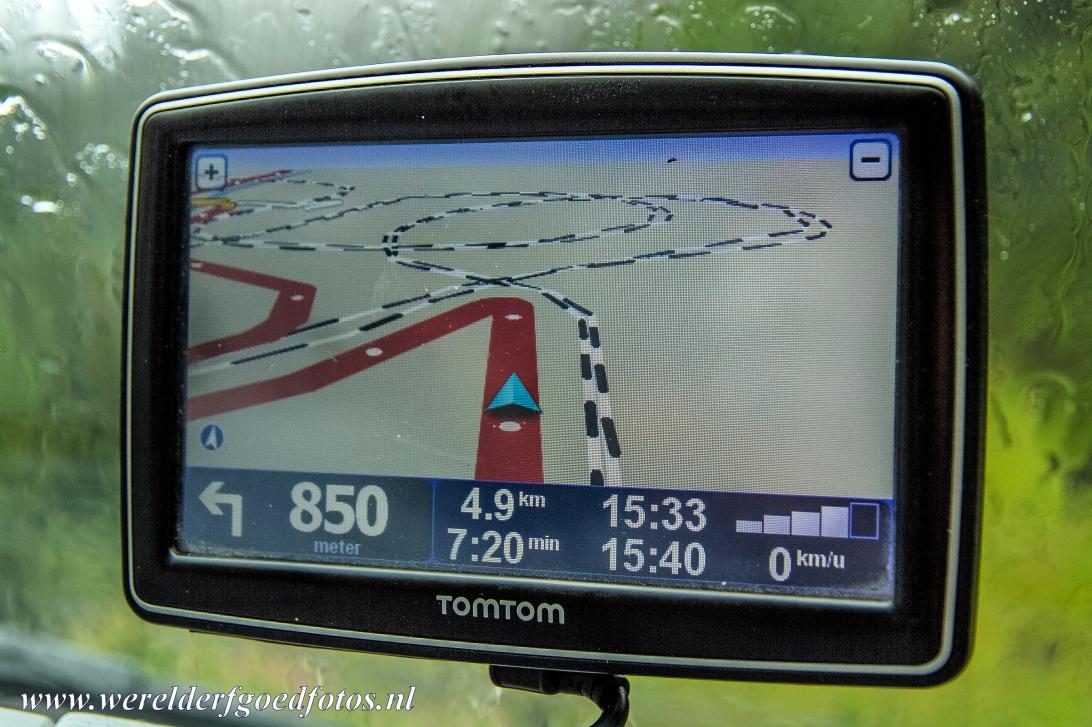
Rhaetian Railway in the Albula / Bernina Landscapes: The Albula Pass is a mountain pass in the Swiss canton of Graubünden. The road and the railway line over the Albula Pass are spectacular in some places. The navigation system shows how the Albula Line crosses the spactacular 2,315-metre-high Albula Pass. Several spiral loops and tunnels have been built to allow the trains to gain height. The Rhaetian Railway is one of the most spectacular ways to cross the Swiss Alps. This pass connects Bergün in the Albula Valley with La Punt-Chamues-ch in the Engadin Valley.

Rhaetian Railway in the Albula / Bernina Landscapes: The Rhaetian Railway Museum, also known as the Bahnmuseum Albula, is located in the Swiss Alpine village of Bergün. It is situated next to the Bergün railway station on the Albula Line between Chur and St. Moritz. The museum houses an impressive collection of more than 400 objects related to the history and technology of the Albula Line of the Rhaetian Railway, including one of the last remaining 'Crocodile' locomotives. These powerful Ge 6/6 I engines were nicknamed the 'Crocodile', or the 'Rhaetian Crocodile'.

Rhaetian Railway in the Albula / Bernina Landscapes: One of the last remaining electric Ge 6/6 I locomotives, the Crocodile 407, in the Rhaetian Railway Museum in Bergün. This Crocodile 407 was one of the fifteen Ge 6/6 I locomotives built for the Rhaetian Railway between 1921 and 1929. These amazing electric engines were crucial for pulling trains over the steep Alpine passes of the Albula and Bernina Lines. The Crocodile 407 served from 1922 until 1985. This wonderful machine has been on display at the Rhaetian Railway Museum since 1994.

Rhaetian Railway in the Albula / Bernina Landscapes: The Albula Viaduct III between the small mountain villages of Bergün and Preda. A new Alpine tunnel between Preda and Spinas has been constructed parallel to the old Albula Tunnel that was opened in 1903. The original tunnel now serves as the emergency tunnel and is connected to the new structure in twelve places for evacuations. The 5.86-km-long new Albula Tunnel II was officially opened in June 2024. It is a single-track, high-safety structure; its construction lasted more than ten years.

Rhaetian Railway in the Albula / Bernina Landscapes: A train at the Rhaetian Railway station in La Punt-Chamues-ch, a traditional Alpine village in the Engadin Valley. The Rhaetian Railway is the largest Alpine railway in Switzerland. It consists of several railway lines, two of which are the Albula Railway Line and Bernina Railway Line. Two renowned tourist expresses travel the Albula Line, the Glacier Express and Bernina Express. Also normal passenger and goods trains travel this mountain railway line.