World Heritage Photos

Muskauer Park / Park Mużakowski

Muskauer Park / Park Mużakowski: Muskauer Park is located on the German-Polish border. In 1811, Prince Hermann von Pückler-Muskau inherited an estate in Bad Muskau, at that time a small town in Germany. Between 1815 and 1845, the prince laid out an English landscape garden around his castle. Muskauer Park was bought by Prince Frederick of the Netherlands in 1846. The well-known German landscape architect Eduard Petzold became the garden and park director. Petzold continued the vision of Prince Hermann von Pückler-Muskau and he completed Muskauer Park. Muskauer Park stretches across both banks of the Neisse River. In 1945, as a result of the Potsdam Conference, the Neisse River became part of the natural border between Germany and Poland. Two thirds of Muskauer Park is located in Poland and only one third in Germany. Both parts of the park are connected by bridges, among them the Doppelbrücke, the Double Bridge. Most of the buildings are located on the German side. Muskauer Park is one of the most magnificent achievements of landscape design from the beginning of the 19th century. Muskauer Park is regarded as the largest English landscape park in central Europe. Muskauer Park / Park Mużakowski was declared a UNESCO World Heritage Site in 2004.

www.werelderfgoedfotos.nl   © Copyright   World Heritage Photos
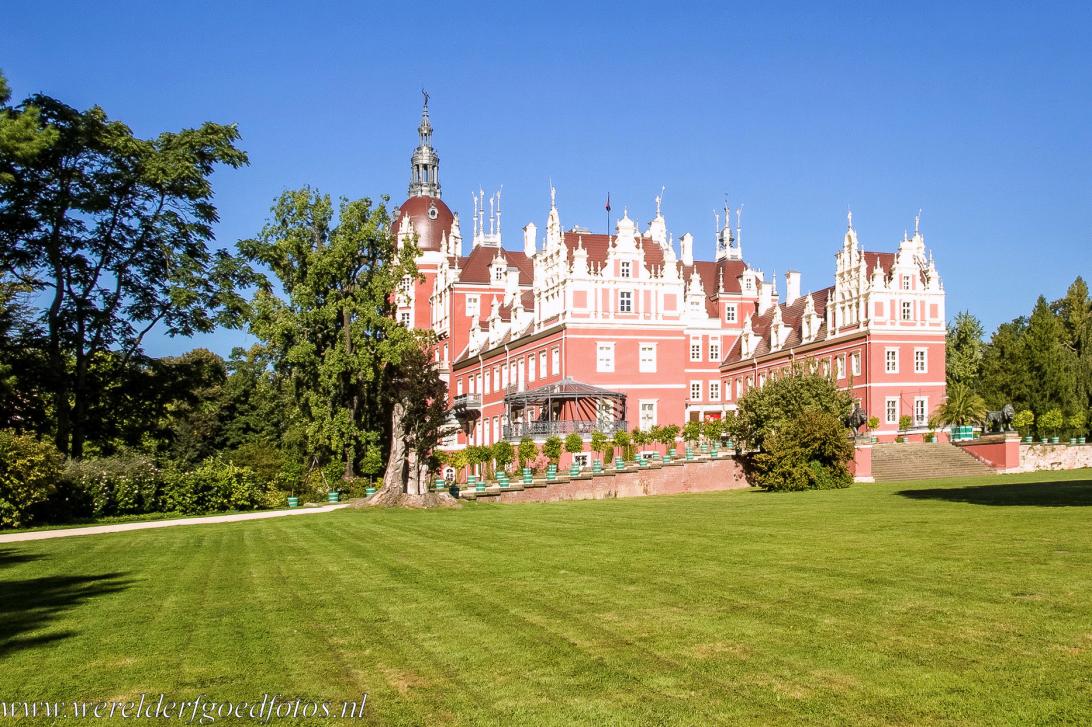
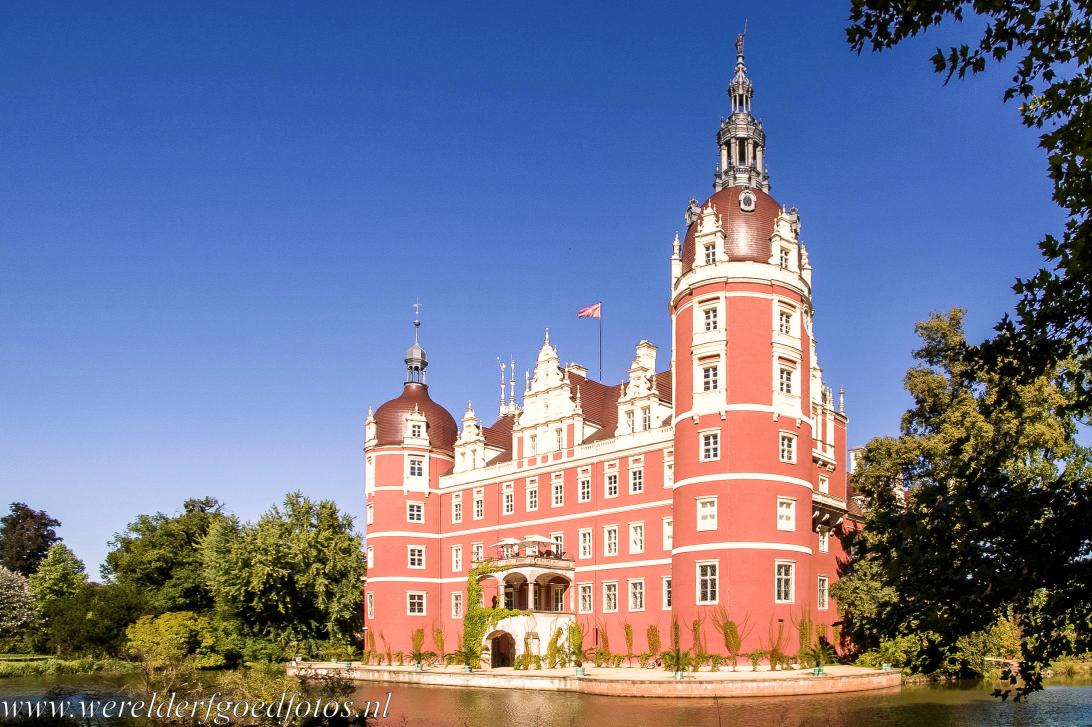
Muskauer Park / Park Mużakowski - Muskauer Park / Park Mużakowski: The original Baroque Neues Schloss was rebuilt into a Neo-Renaissance castle by the successors of Prince Hermann...

Muskauer Park / Park Mużakowski: The original Baroque Neues Schloss was rebuilt into a Neo-Renaissance castle by the successors of Prince Hermann von Pückler-Muskau. It is surrounded by an English landscape park designed by the prince himself between 1815 and 1845. The park is considered one of the most splendid achievements of landscape design at the beginning of the 19th century. 
  1. Muskauer Park / Park Mużakowski - Muskauer Park / Park Mużakowski: The original Baroque Neues Schloss was rebuilt into a Neo-Renaissance castle by the successors of Prince Hermann...

    Muskauer Park / Park Mużakowski: The original Baroque Neues Schloss was rebuilt into a Neo-Renaissance castle by the successors of Prince Hermann von Pückler-Muskau. It is surrounded by an English landscape park designed by the prince himself between 1815 and 1845. The park is considered one of the most splendid achievements of landscape design at the beginning of the 19th century. 
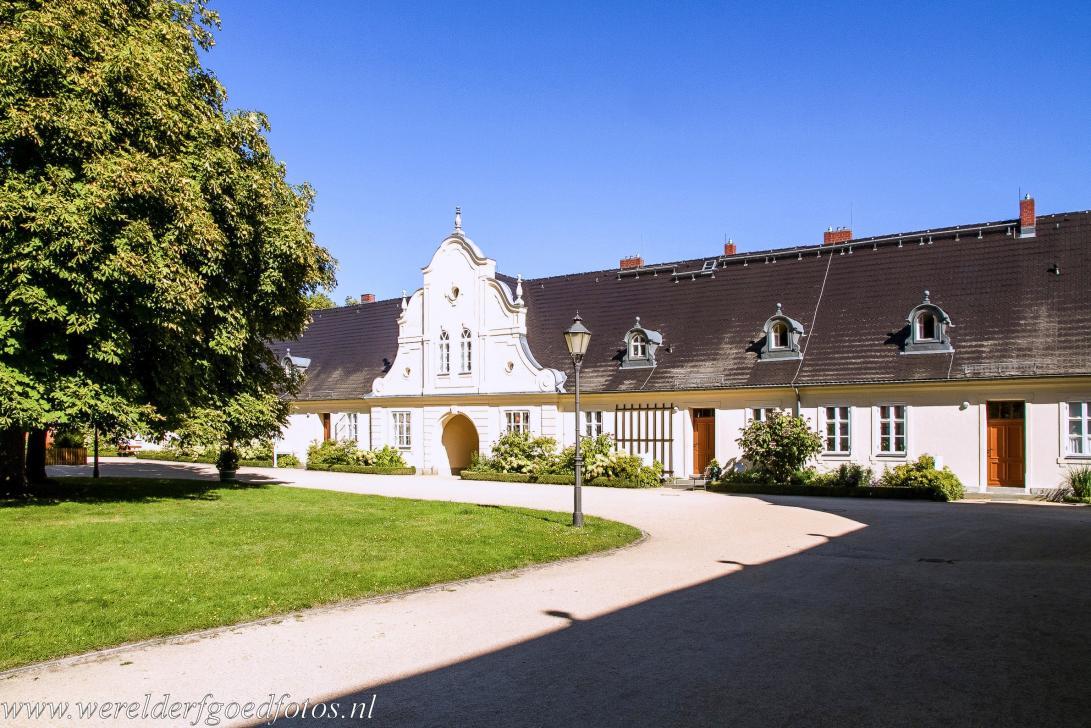
  2. Muskauer Park / Park Mużakowski - Muskauer Park / Park Mużakowski: The well-maintained outbuildings in the park. In 1846, Prince Hermann von Pückler-Muskau was forced...

    Muskauer Park / Park Mużakowski: The well-maintained outbuildings in the park. In 1846, Prince Hermann von Pückler-Muskau was forced to sell the park; it was bought by Prince Frederick of the Netherlands. Thanks to the careful preservation of the original parkland by Prince Frederick and subsequent owners, Muskauer Park has retained its authentic character. Today, it is still the largest English landscape park in Central Europe.

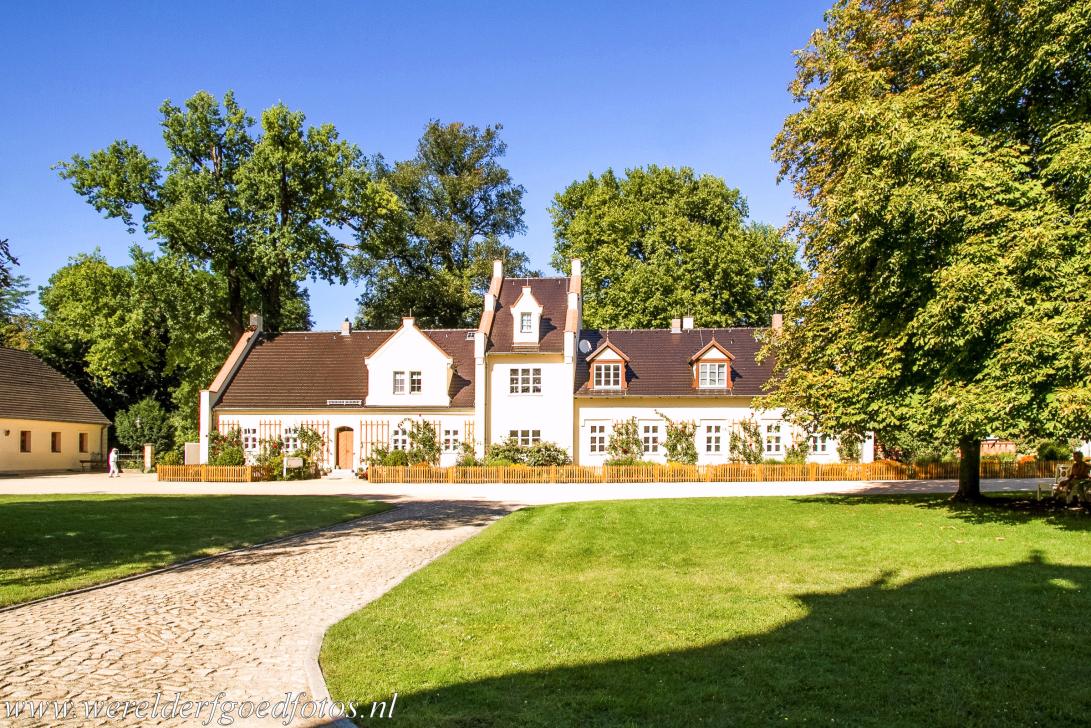
  3. Muskauer Park / Park Mużakowski - Muskauer Park / Park Mużakowski: The former estate houses and office buildings have been converted into modern holiday apartments. These...

    Muskauer Park / Park Mużakowski: The former estate houses and office buildings have been converted into modern holiday apartments. These buildings are located on the German side of Muskauer Park, not far from the New Castle (Neues Schloss Muskau). This vast landscape park is situated on the German-Polish border, adjacent to the small German town of Bad Muskau.

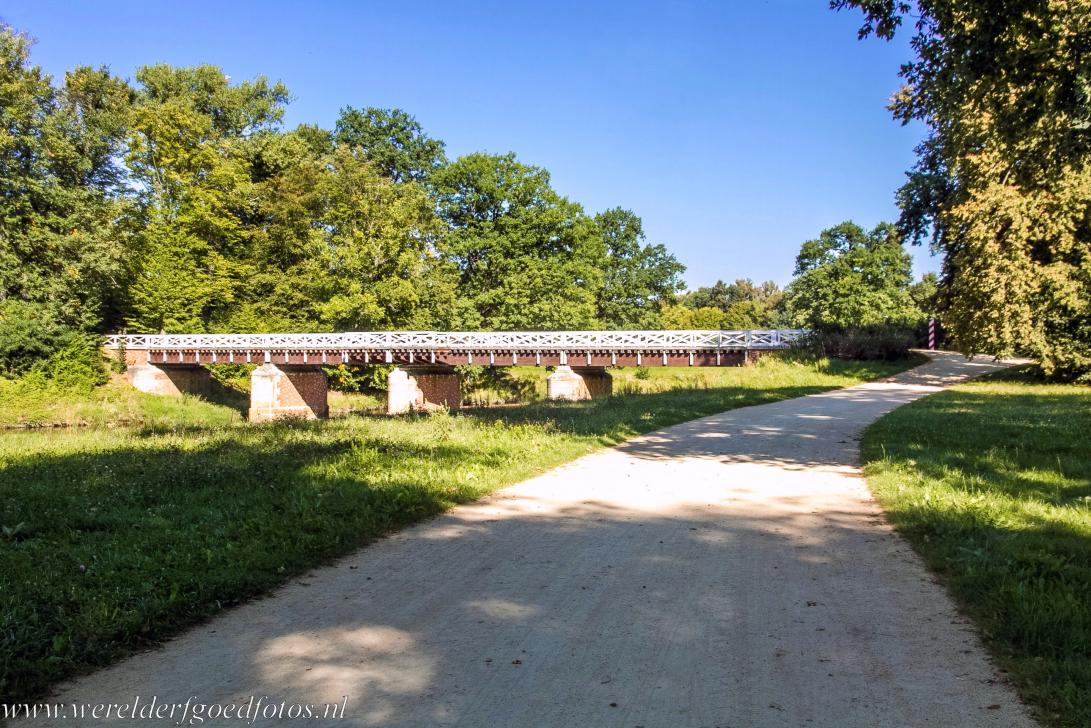
  4. Muskauer Park / Park Mużakowski - Muskauer Park  / Park Mużakowski: The Double Bridge over the Neisse River. Muskauer Park stretches across both banks of the Neisse...

    Muskauer Park  / Park Mużakowski: The Double Bridge over the Neisse River. Muskauer Park stretches across both banks of the Neisse River. After the Second World War, as a result of the Potsdam Conference, the Neisse became a natural border between Poland and Germany. The left-bank German part and the right-bank Polish part of Muskauer Park are connected by this elegant bridge. There are walking trails throughout the park that cross the Double Bridge.

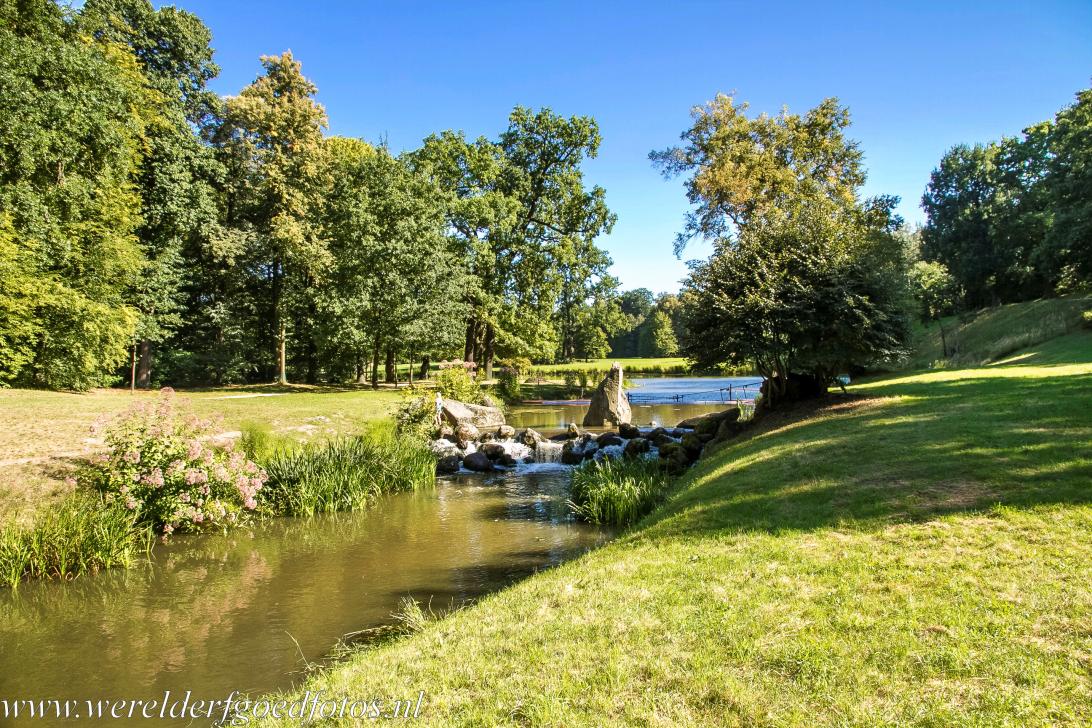
  5. Muskauer Park / Park Mużakowski - Muskauer Park / Park Mużakowski: The Oak Lake Waterfall (Eichsee Waterfall). An enormous boulder rises from the waterfall. Legend has it that...

    Muskauer Park / Park Mużakowski: The Oak Lake Waterfall (Eichsee Waterfall). An enormous boulder rises from the waterfall. Legend has it that when Prince Hermann von Pückler-Muskau was unfaithful to his wife Lucie once again, she had this massive boulder placed in the Oak Lake Waterfall as a sign of her displeasure. The Oak Lake Waterfall is situated near Oak Lake in the German part of the landscape park.

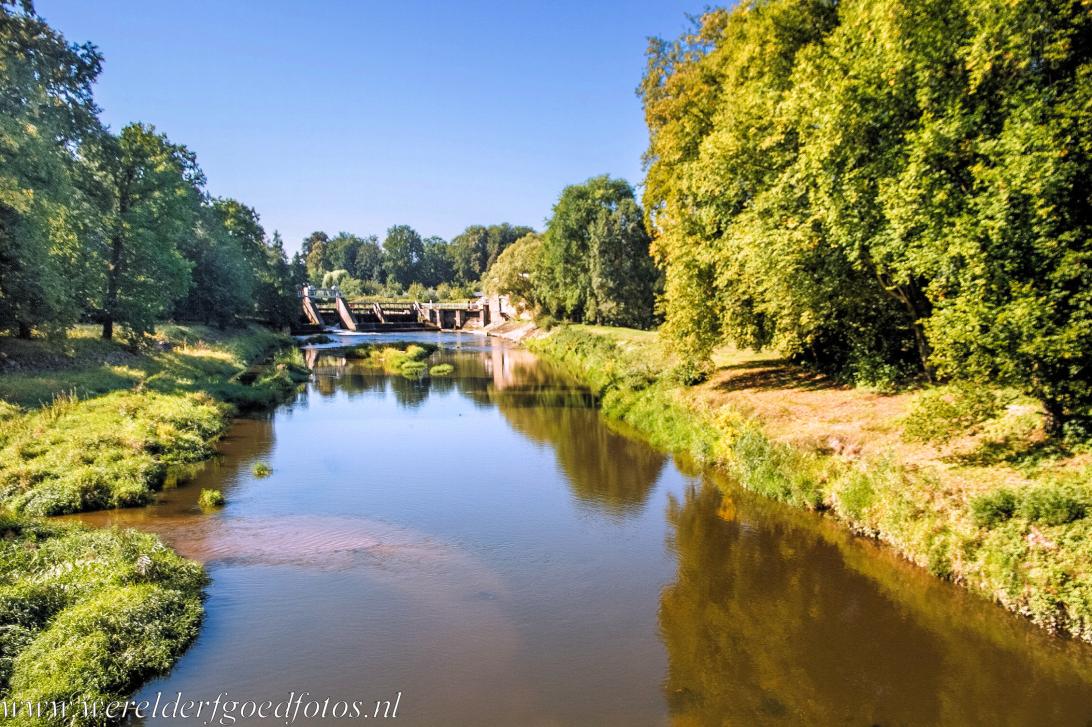
  6. Muskauer Park / Park Mużakowski - Muskauer Park / Park Mużakowski: Muskauer Park stretches across both banks of the Neisse River. In order to create a romantic park...

    Muskauer Park / Park Mużakowski: Muskauer Park stretches across both banks of the Neisse River. In order to create a romantic park scenery, a small artificial river branch was created, the so-called Hermann's River Neisse (Hermannsneisse). Muskauer Park covers a total area of about 830 hectares. The largest part of this immense landscape park is situated in Poland, but most of the buildings are situated on the German side.

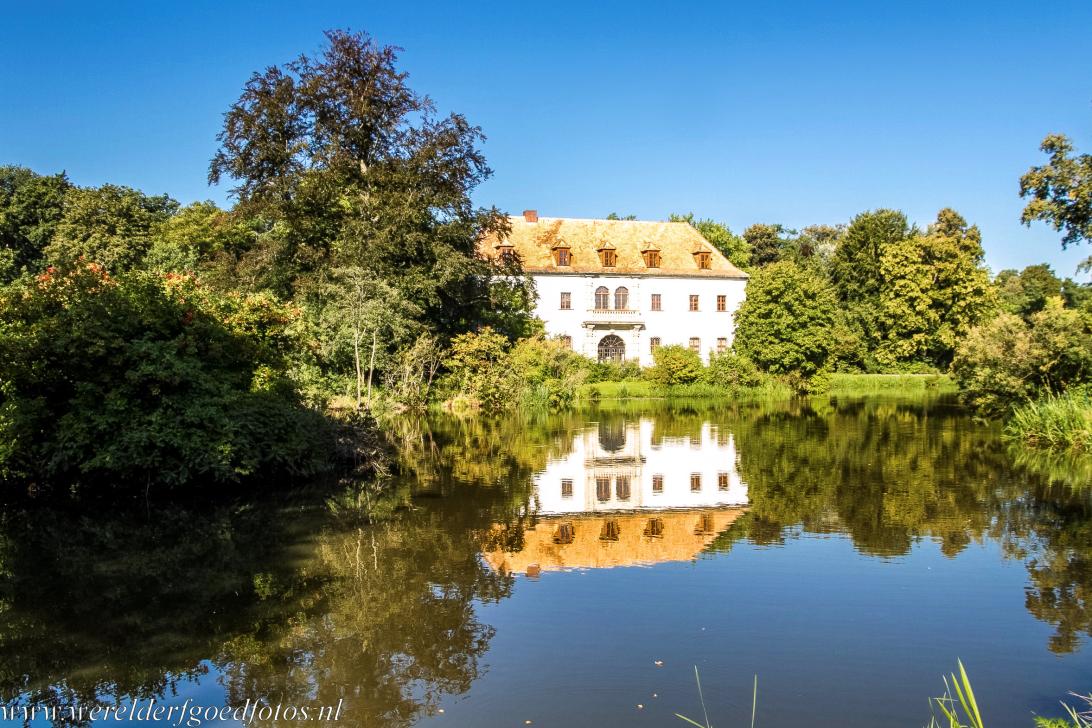
  7. Muskauer Park / Park Mużakowski - Muskauer Park / Park Mużakowski: The Old Castle was destroyed during the Second World War; it was rebuilt between 1965 and 1972. Prince Hermann...

    Muskauer Park / Park Mużakowski: The Old Castle was destroyed during the Second World War; it was rebuilt between 1965 and 1972. Prince Hermann von Pückler-Muskau created a beautiful English garden landscape around his castle, seamlessly combining nature and architecture. The prince described his work as 'Painting with nature', and he also declared: 'A park should be like an art gallery'.

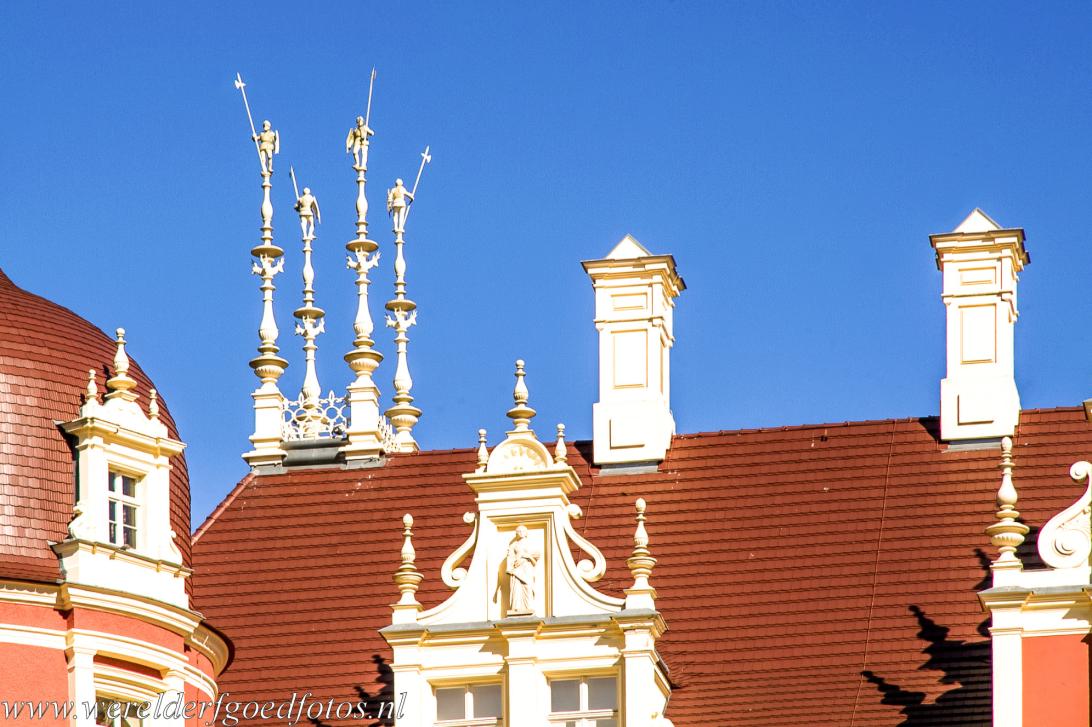
  8. Muskauer Park / Park Mużakowski - Muskauer Park / Park Mużakowski: The decorated roofline of the New Castle (Neues Schloss Muskau). The castle was severely damaged during the...

    Muskauer Park / Park Mużakowski: The decorated roofline of the New Castle (Neues Schloss Muskau). The castle was severely damaged during the Second World War and almost completely destroyed by a raging fire shortly after the end of the war. During the GDR era, the New Castle remained a ruin for many years. Restoration work started in 1995, and the New Castle Muskau was opened to the public in 2008.

  9. Muskauer Park / Park Mużakowski - Muskauer Park / Park Mużakowski: The New Castle (Neues Schloss Muskau) is located within Muskauer Park, a huge landscape park on the...

    Muskauer Park / Park Mużakowski: The New Castle (Neues Schloss Muskau) is located within Muskauer Park, a huge landscape park on the border between Germany and Poland. The park includes follies, ponds, flower gardens, several small bridges, an orangery, and waterfalls. The Hermannsneisse, a man-made branch of the Neisse, also winds through the park. The Old Castle is also situated within the park. Muskauer Park / Park Mużakowski became a UNESCO World Heritage Site in 2004.

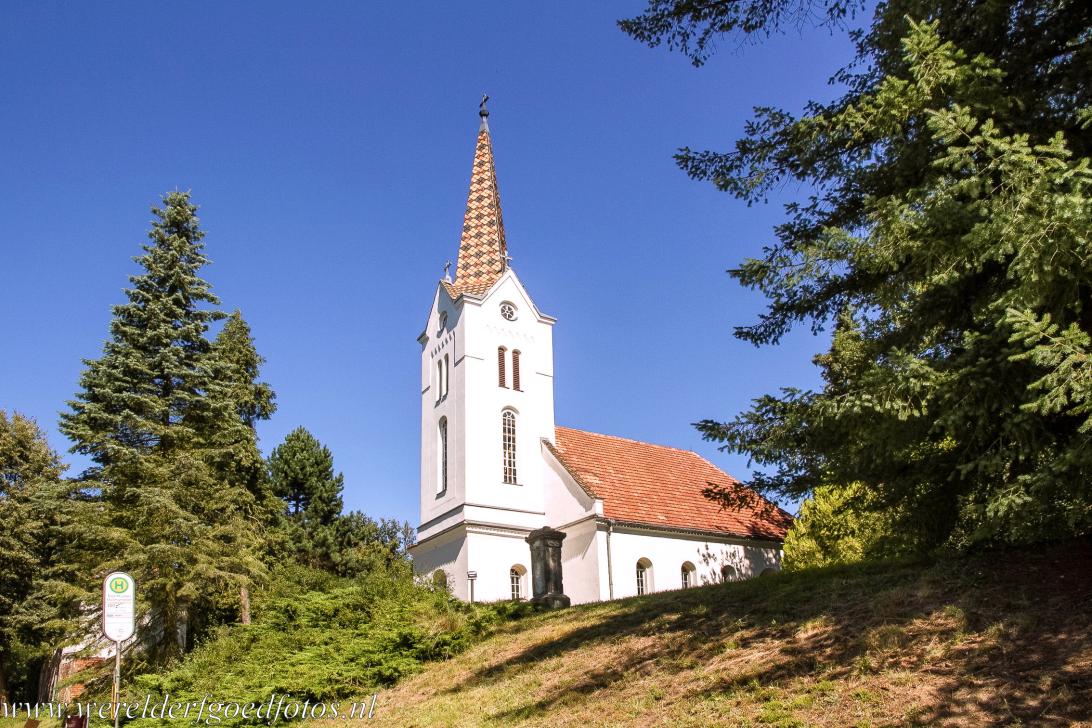
  10. Muskauer Park / Park Mużakowski - Muskauer Park - Park Mużakowski: The Church of St. James is located directly next to the park. This church borders the Alter Friedhof (Old...

    Muskauer Park - Park Mużakowski: The Church of St. James is located directly next to the park. This church borders the Alter Friedhof (Old Cemetery), where historical graves can be found, including that of Machbuba (Bilillee), a famous Ethiopian woman. She was purchased by Prince Hermann von Pückler-Muskau in Cairo and accompanied him on his travels through the Middle East. She came to Bad Muskau in the spring of 1840 and died in October of the same year, aged just 15 or 16.