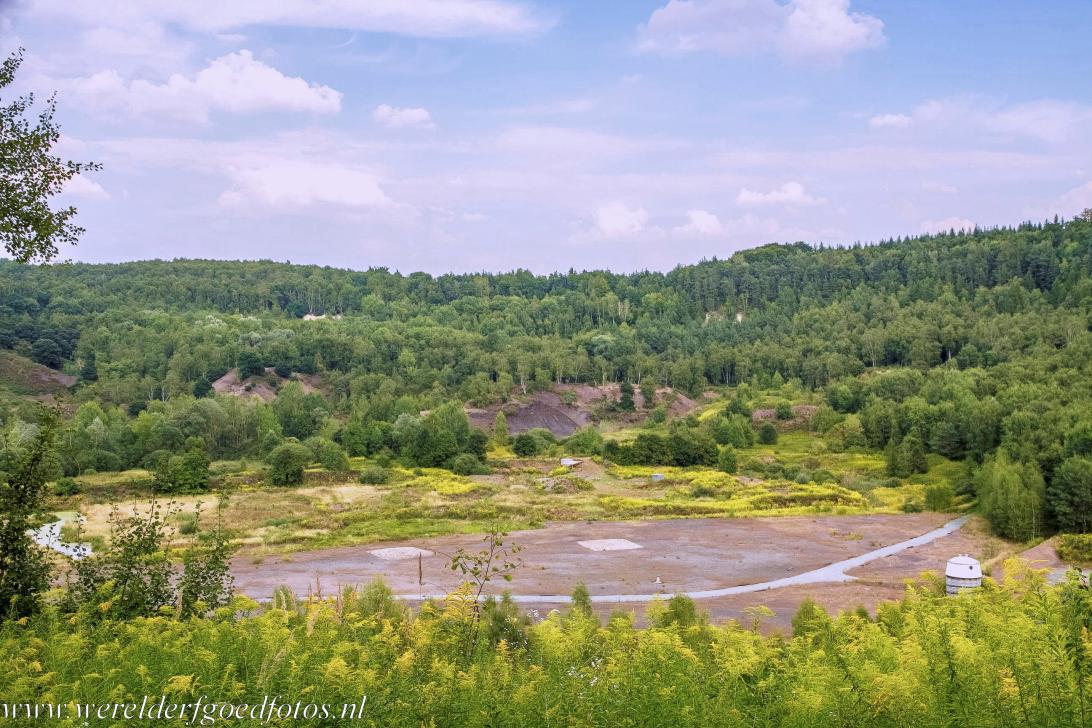
The Messel Pit Fossil Site is located about 30 km south of Frankfurt am Main, close to Darmstadt and the village of Messel in Germany. The Messel Pit holds the richest deposit of mammal fossils in the world. The Messel Pit was originally a oil shale mine operating from 1859 to 1971. After the mine was closed, the local government considered filling the open mine pit with rubbish despite the knowledge of fossils. The scientific community was successful in saving the Messiel Pit and protecting it as a national monument. The fossils found here date back to the Middle Eocene, 47 to 48 million years ago. At that time, the Messel Pit was a deep volcanic crater lake in a wet tropical climate. Probably as a result of volcanic gas, birds, bats and other animals may have been overwhelmed and fallen into the lake. The bacteria-poor and oxygen-poor water of the crater lake then resulted in the preservation of birds, bats, insects, tree leaves and other animals. The first fossil was found in 1875, a well-preserved crocodile. Insects, turtles, fish, mammals, species of plants, and even a prehistoric horse have been discovered. The Messel Pit is the richest site in the world for understanding the living environment during the Eocene. The Messel Pit (Grube Messel) is located about 40 km north of the Abbey of Lorsch, another the UNESCO World Heritage Site. The Messel Pit is a natural World Heritage Site and was declared a UNESCO World Heritage in 1995. Another major European fossil site is the Monte San Giorgio, a mountain on the border between Italy and Switzerland.
www.werelderfgoedfotos.nl © Copyright World Heritage Photos
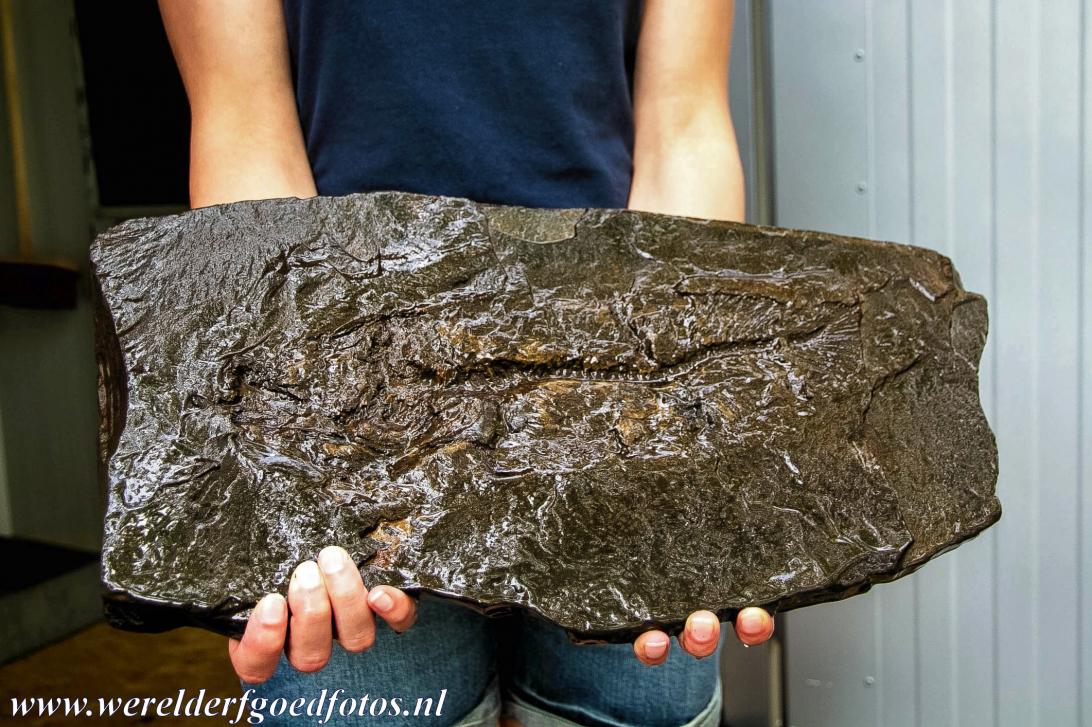
A fossil in oil shale, found at the Messel Pit in Germany. The Messel Pit holds the richest deposit of mammal fossils in the world. The first animal fossil was discovered in 1875: the remains of a crocodile. The fossils found in the Messel Pit date back to the Middle Eocene, 47.8 to 48 million years ago. The Messel Pit Fossil Site was declared a UNESCO World Heritage Site in 1995.
A fossil in oil shale, found at the Messel Pit in Germany. The Messel Pit holds the richest deposit of mammal fossils in the world. The first animal fossil was discovered in 1875: the remains of a crocodile. The fossils found in the Messel Pit date back to the Middle Eocene, 47.8 to 48 million years ago. The Messel Pit Fossil Site was declared a UNESCO World Heritage Site in 1995.
Messel Pit Fossil Site: The fossils found in the Messel Pit date back to the Middle Eocene, approximately 47 to 48 million years ago. The fossils are remarkably well preserved. Not only the skeletons are well-preserved, but also the soft tissues, such as the stomach and intestines. Even the fur and feathers of some species are preserved.

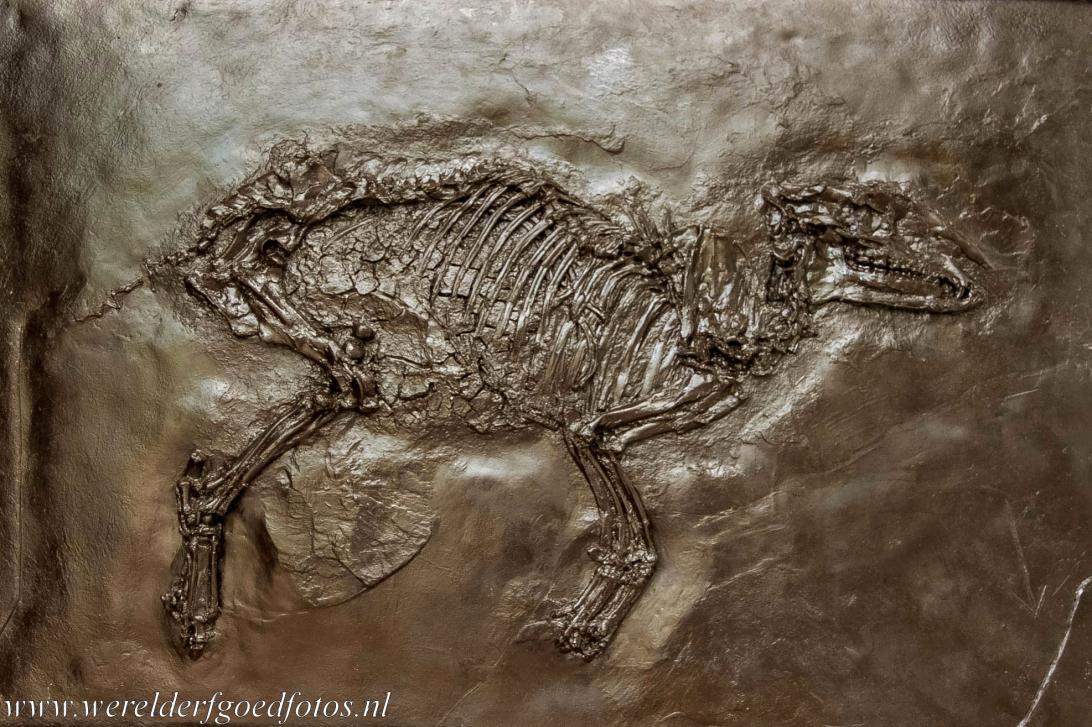
The copy of a fossil; the original fossil was found at the Messel Pit Fossil Site in Germany. The fossil shows a 50-million-year-old prehistoric horse. This early ancestor of the modern horse was remarkably small; it had a shoulder height of only 30 cm. The examination of the stomach contents showed that the prehistoric horse ate the leaves of deciduous trees and fruit. More than 40,000 fossils have been found at the Messel Pit.

The Messel Pit dates back to the Middle Eocene. During this time, the pit was a deep volcanic crater lake in a wet tropical to subtropical climate. Probably due to volcanic gases, birds, bats and other animals may have been overwhelmed and fallen into the lake; the bacteria-poor and oxygen-poor water of the crater lake then resulted in the preservation of birds, bats, insects, tree leaves and other animals.

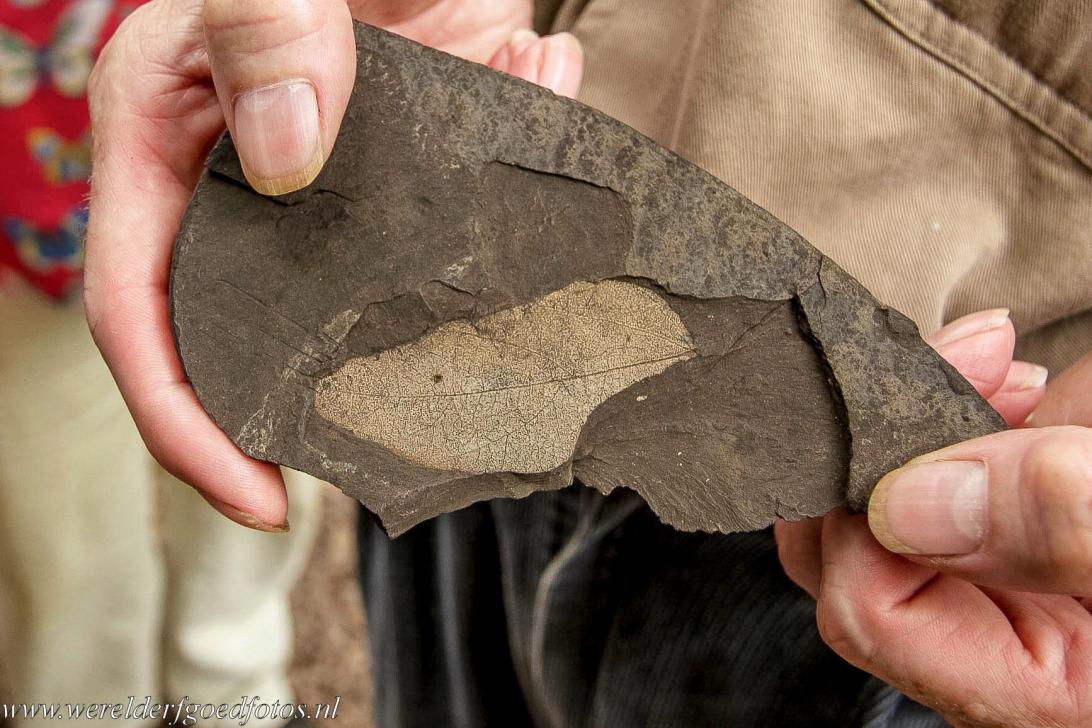
Messel Pit Fossil Site: The imprint of a tree leaf in a piece oil shale, found in the Messel Pit. More than 40,000 fossils were found in the Messel Pit. The original fossils from the Messel Pit are on display in the Fossil and Heimatmuseum in the village of Messel, the Hessisches Landesmuseum in Darmstadt and the Senckenberg Naturmuseum in Frankfurt am Main. Fossils and information about the site are also on display at the Messel Pit visitor centre.

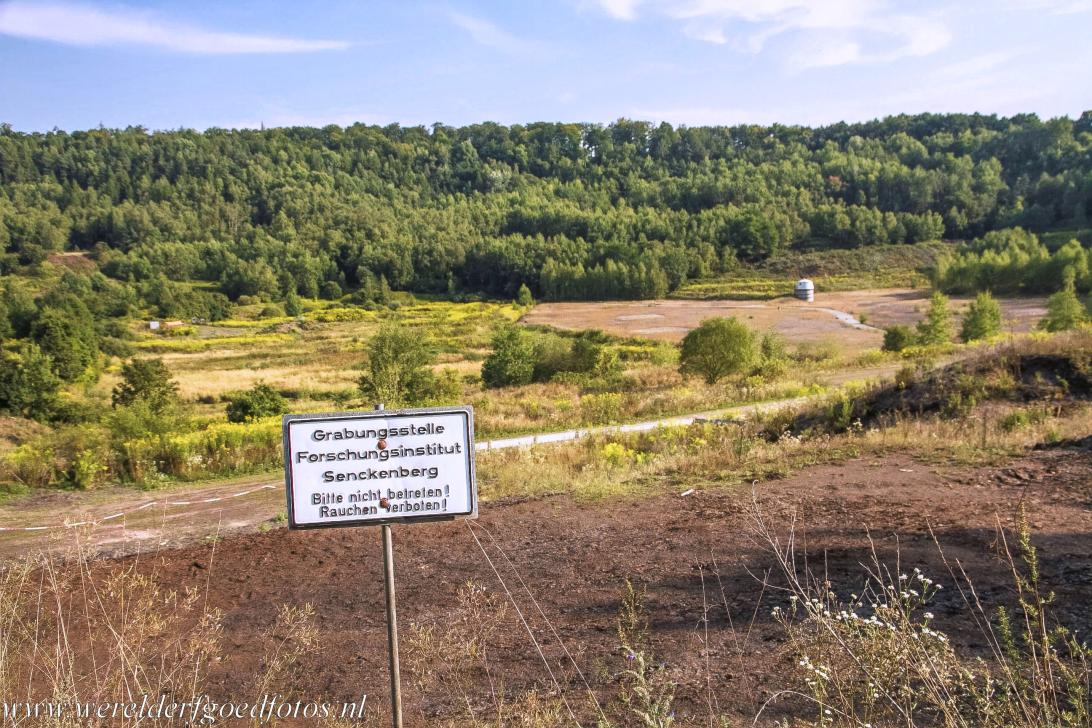
Messel Pit Fossil Site: Researchers are still working on the deposits of the Messel Pit. The Messel Pit measures about 0.7 km² and is 60 metres deep. The Messel Pit is the richest site in the world for understanding the living environment during the Eocene Epoch. The fossils of the Messel Pit are world-renowned for their exceptional preservation. In 2025, a number of new species were identified, including fossil cicadas and wasps.

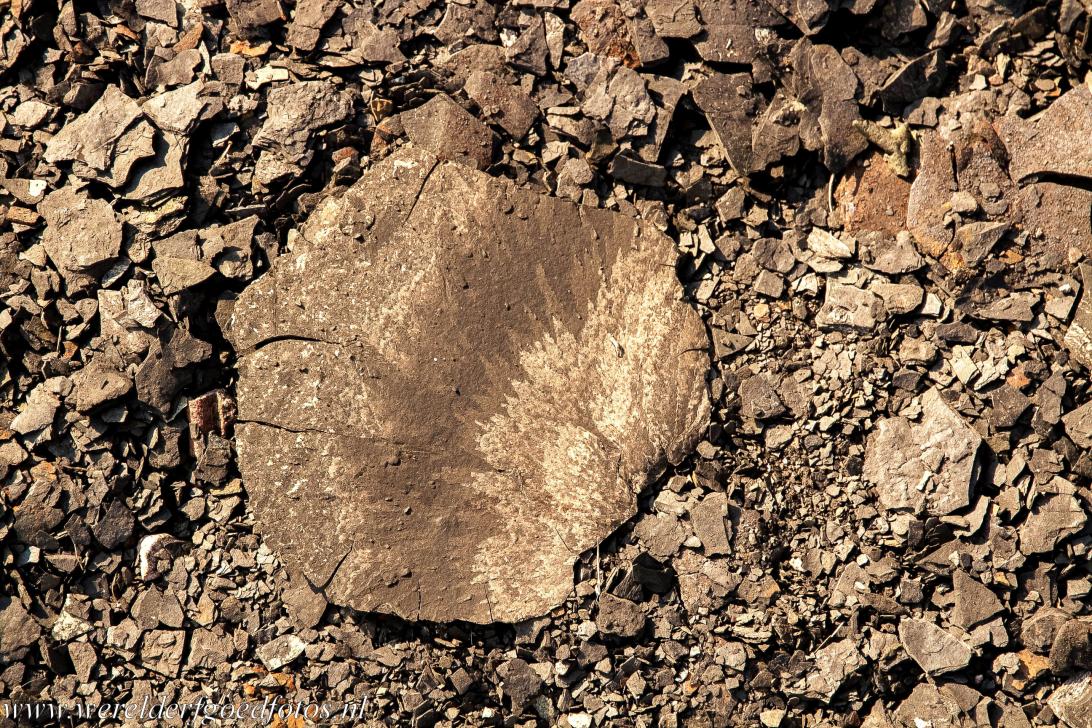
Messel Pit Fossil Site: Millions of years ago, flowing water carved the surface of this piece of oil shale. Access to the Messel Pit is only by guided tour. Visitors can park close to the Messel Pit Visitor Centre. The Messel Pit Fossil Site is located about 30 south of Frankfurt am Main and close to Darmstadt and the village of Messel in Germany. The Messel Pit Fossil Site is part of the themed 'Earthly Treasures and Architecture' route in Germany; this route links diverse World Heritage sites.

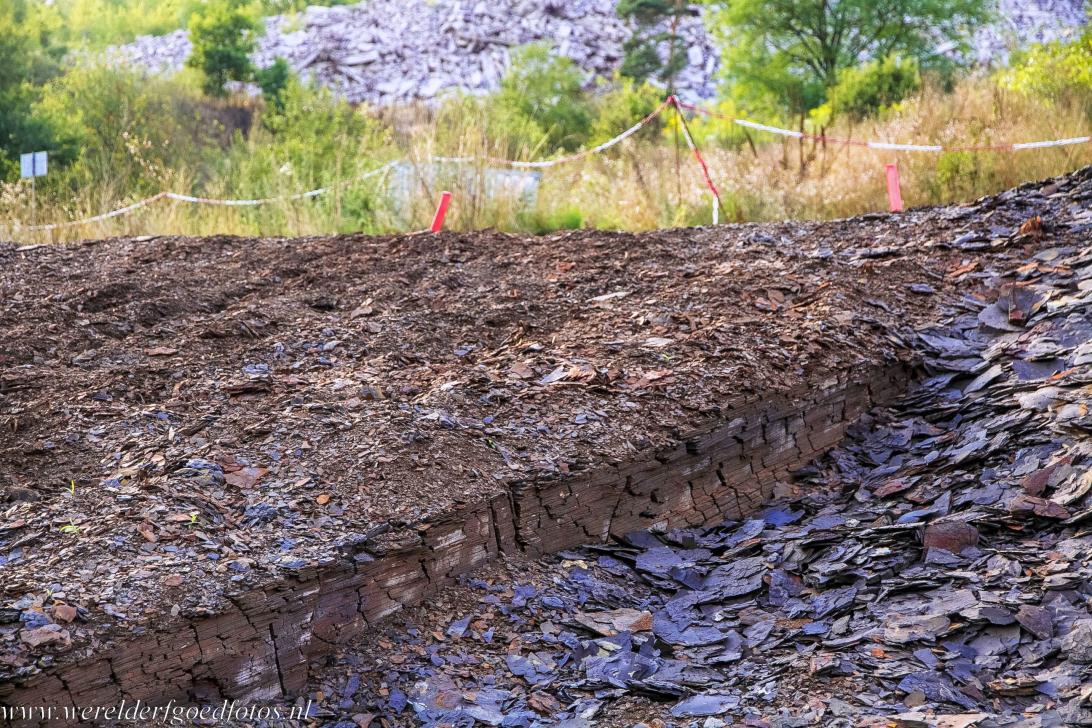
Messel Pit Fossil Site: Layers of oil-bearing shale. The Messel Pit originally was an oil shale mine from 1859 to 1971. After the mine closed, the local government considered filling the open mine pit with rubbish, despite being aware of the fossils found here. The scientific community and locals were successful in saving the Messel Pit and protecting it as a national monument. Fossils found at the Messel Pit Fossil Site include insects, turtles, fish, mammals, species of plants, birds and bats. Even a well-preserved crocodile and a prehistoric horse were discovered.

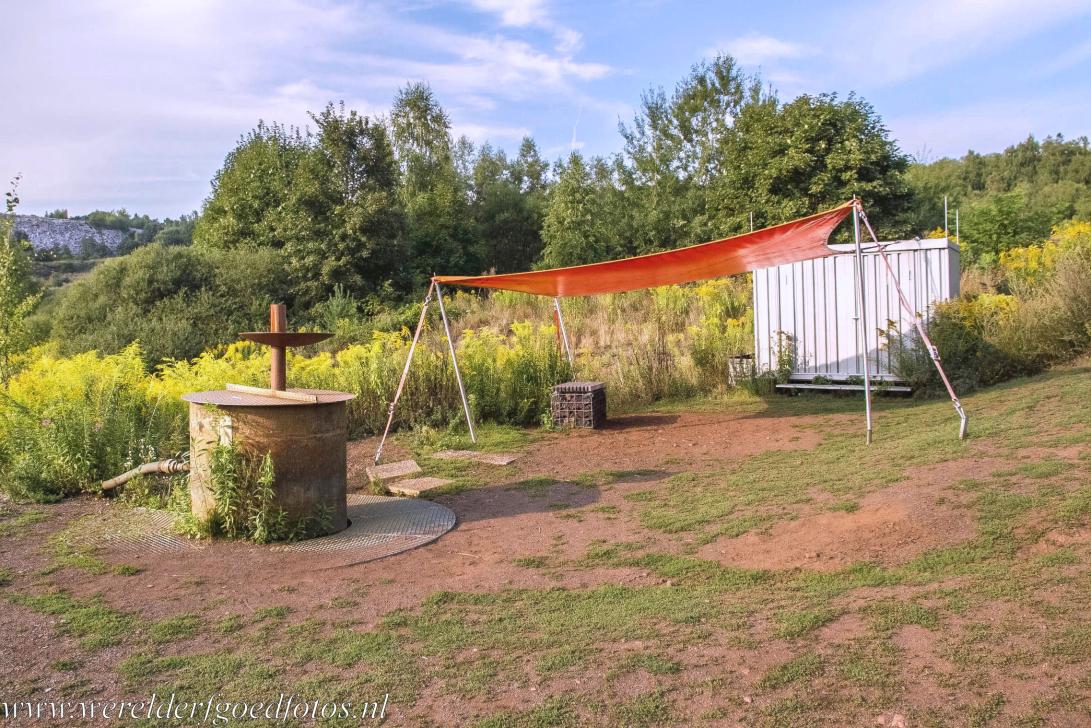
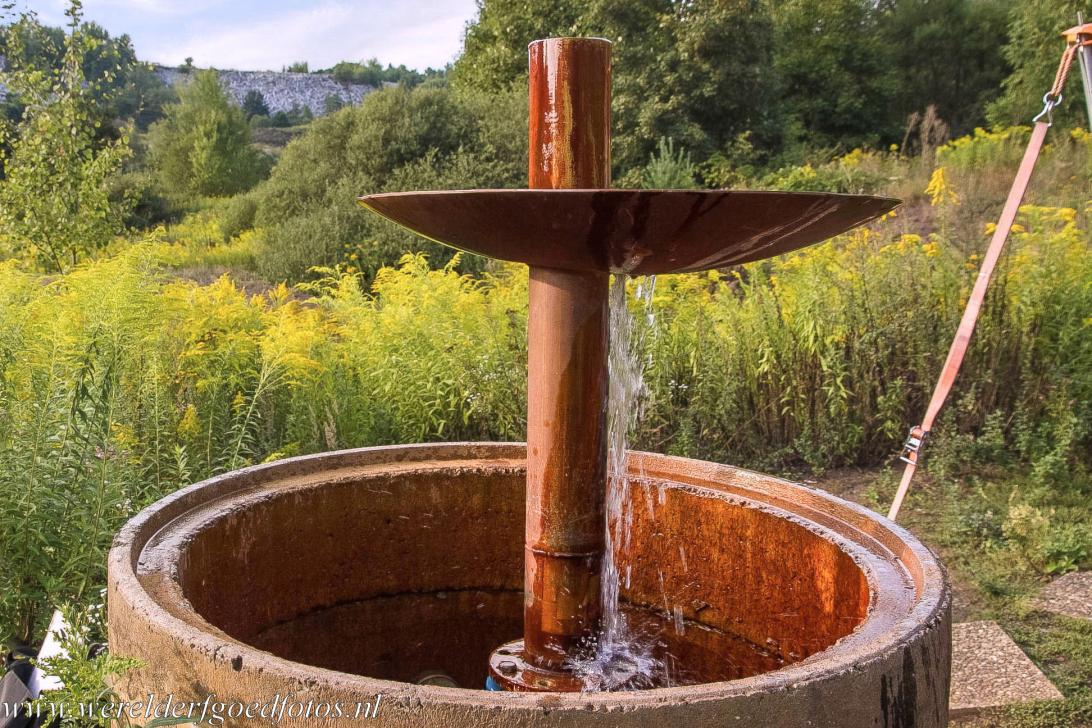
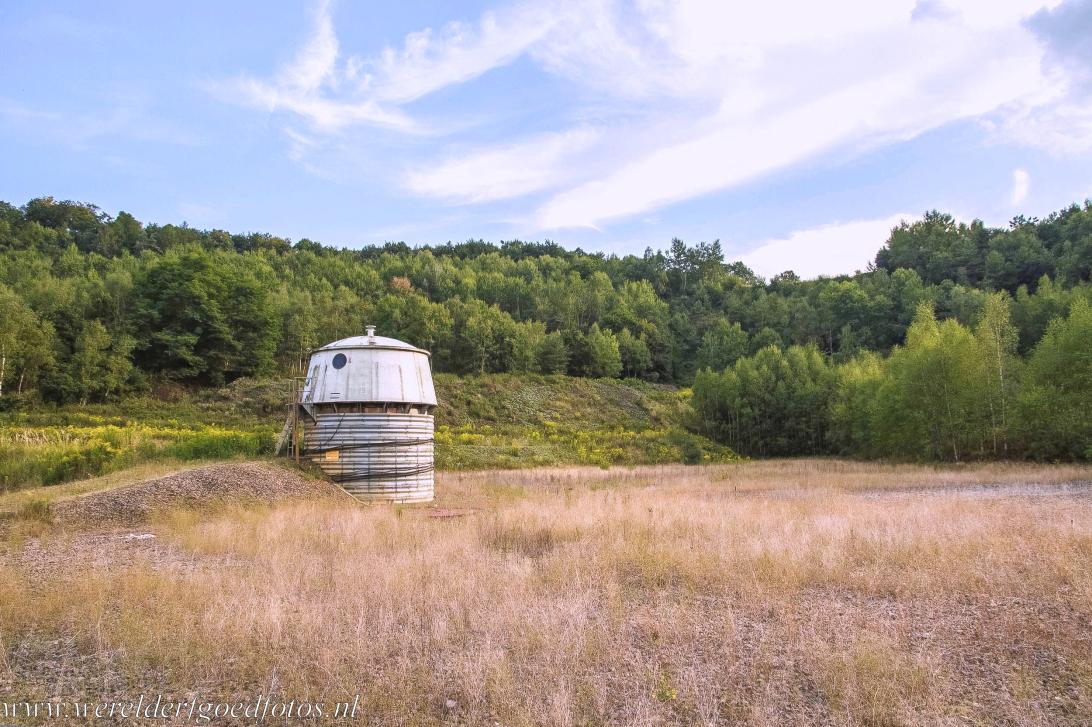
Messel Pit Fossil Site: An artesian water well at the bottom of the Messel Pit, the water is about 30 millions years old and rises spontaneously from an underground spring. Guided tours of the Messel Pit are led by a geologist along a dedignated route; it is stricktly forbidden to stry from the path. A viewing platform offers panoramic views over the 60-metre-deep pit.

Messel Pit Fossil Site: The artesian water well at the bottom of the Messel Pit; the water is more than 30 million years old. This well was drilled later by geologists, reaching deep enough into the Eocene shale layers to tap into the water. During the guided tour, visitors have the opportunity to drink the ancient water; it is safe to drink though it has a metallic taste. The Messel Pit Fossil Site was inscribed on the UNESCO World Heritage List in 1995.