Flemish Béguinages: The Flemish Béguinage of Sint-Truiden is one of the Flemish Béguinages in Belgium. Béguinages were founded in the 13th century in the Netherlands and Flanders, at the time a region of the Netherlands. A béguinage consists of a group of small houses built around a church or chapel and enclosed by a wall with an entrance gate. Béguines lived in a béguinage. Béguines were women who dedicated their lives to God without retiring from the world. Just like nuns, they lived a religious life, but did not take religious vows. The Flemish Béguinage of Sint-Truiden was founded in 1258. The entrance gate no longer exists. There is also very little left of the surrounding wall. The Béguinage Church of Saint Agnes was built in the 13th century. This béguinage church houses religious art; notable are the numerous wall and pillar paintings from around 1300 to the beginning of the 17th century. Thirteen Flemish Béguinages gained status as a UNESCO World Heritage Site in 1998. The Béguinage of Sint-Truiden is part of this site. Other Flemish Béguinages are: the Béguinage of Diest and the Béguinage of Tongeren. The Belgian town of Sint-Truiden consists of two UNESCO World Heritage Sites: the Flemish Béguinages and the Belfries of Belgium and France.
www.werelderfgoedfotos.nl © Copyright World Heritage Photos
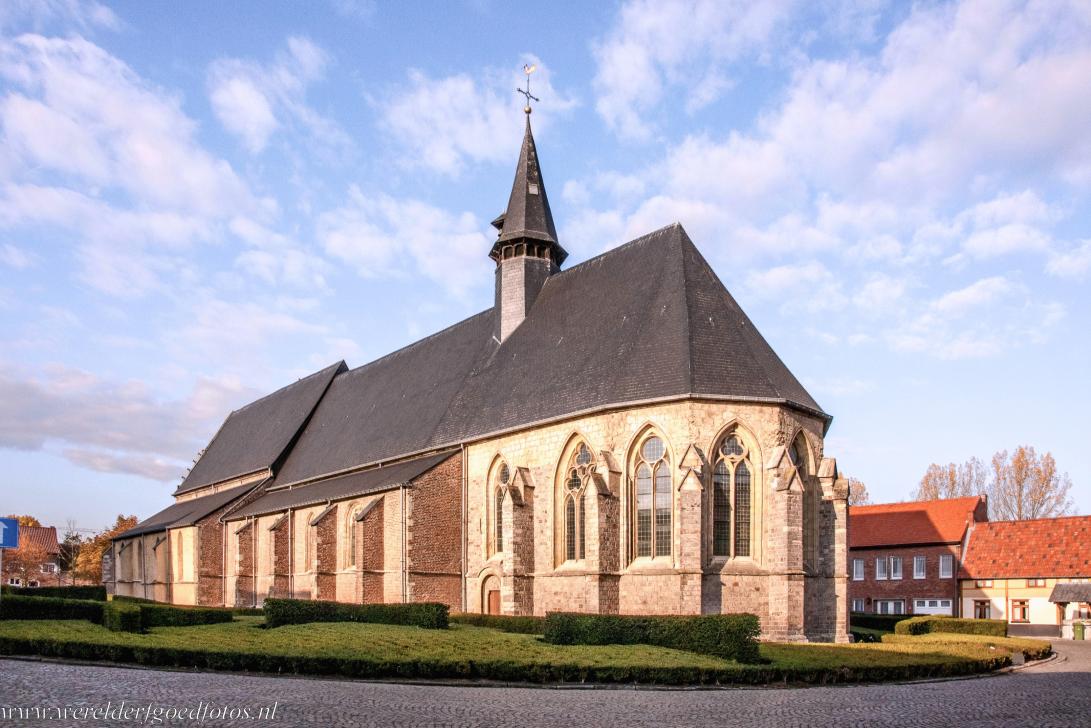
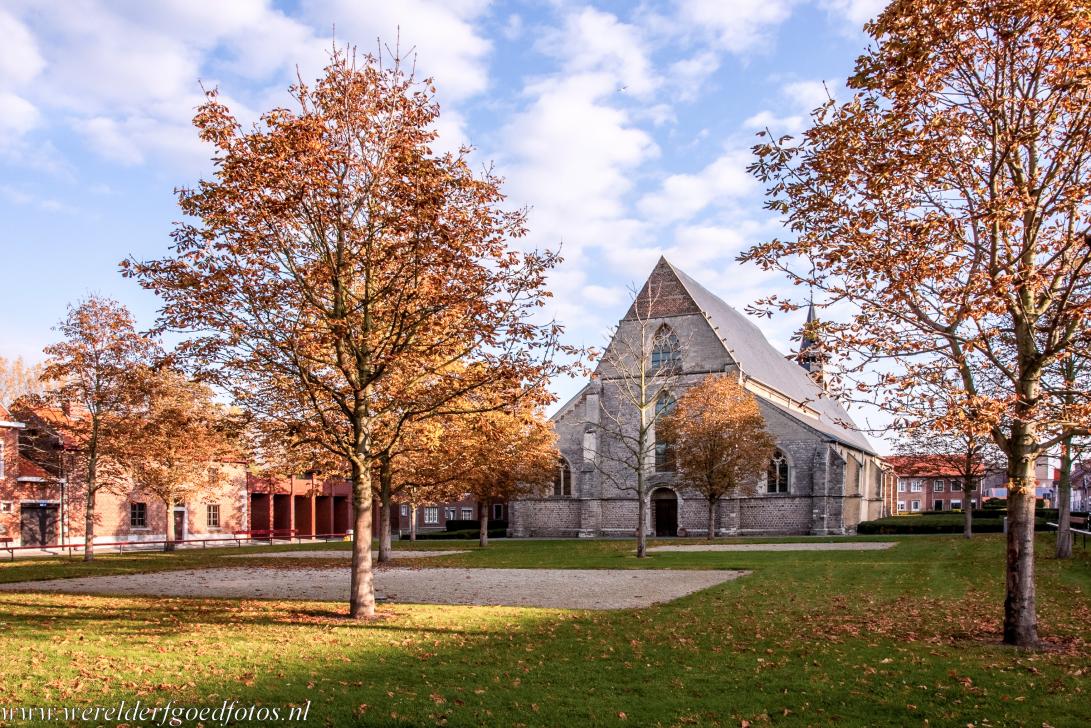
Flemish Béguinage of Sint-Truiden: The Church of Saint Agnes, also known as Béguinage Church, is considered one of the oldest and most beautiful churches of all the Flemish Béguinages. The construction began in 1258. The organ of the church dates from 1656. The church is renowned for its thirty-eight murals and paintings on the pillars, dating from the late 13th century to the beginning of the 17th century. The Béguinage of Sint-Truiden is a UNESCO World Heritage Site.

Flemish Béguinage of Sint-Truiden: The Church of Saint Agnes, also known as Béguinage Church, is considered one of the oldest and most beautiful churches of all the Flemish Béguinages. The construction began in 1258. The organ of the church dates from 1656. The church is renowned for its thirty-eight murals and paintings on the pillars, dating from the late 13th century to the beginning of the 17th century. The Béguinage of Sint-Truiden is a UNESCO World Heritage Site.

Flemish Béguinage of Sint-Truiden: The Church of Saint Agnes is located in a rectangular grass courtyard bordered by centuries-old béguinage houses; the majority of these houses date back to the 17th and 18th centuries. The church is the heart of the Flemish Béguinage of Sint-Truiden. An infirmary and a béguinage farm were built just outside the courtyard. The bleaching field in front of the church was used to bleach and dry the laundry.

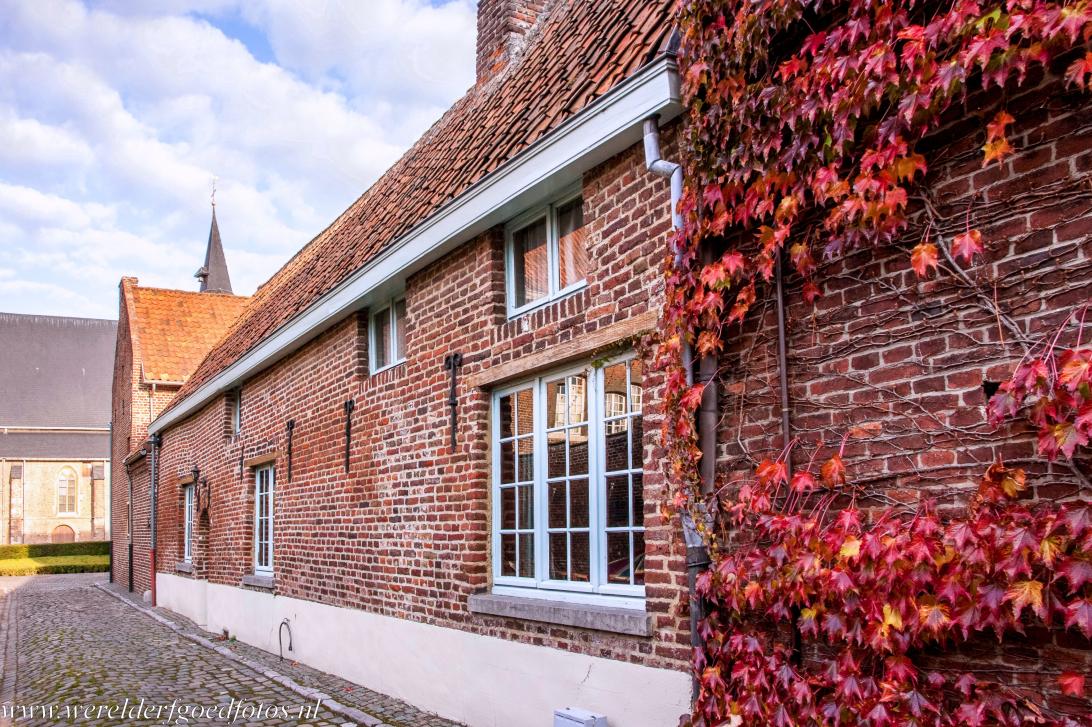
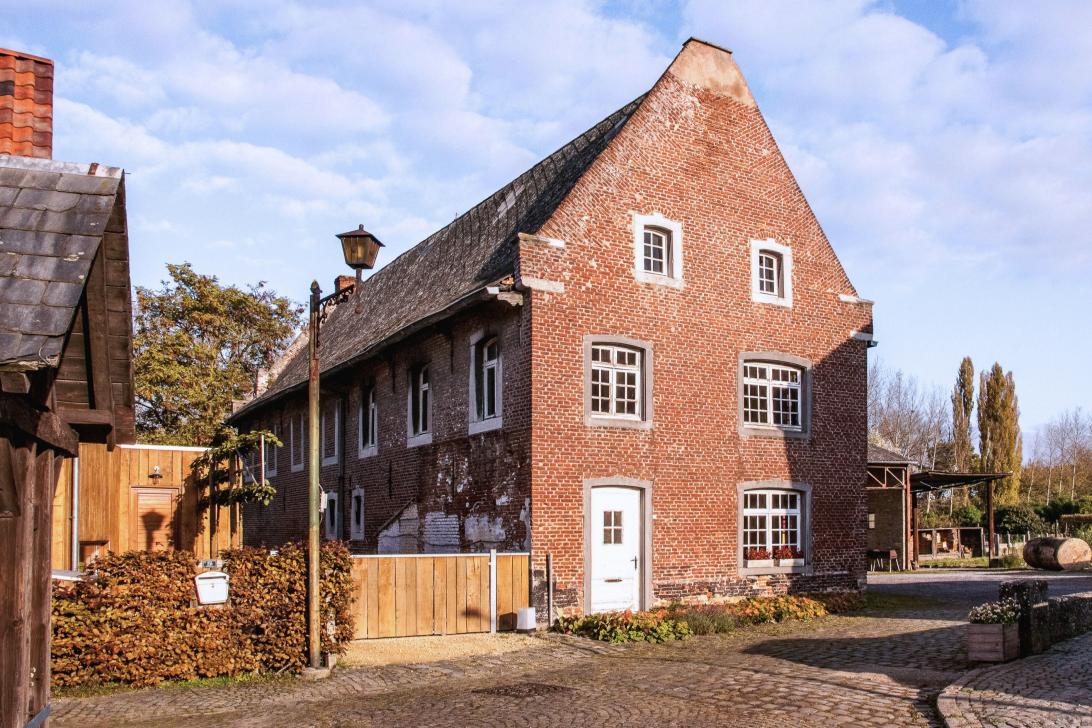
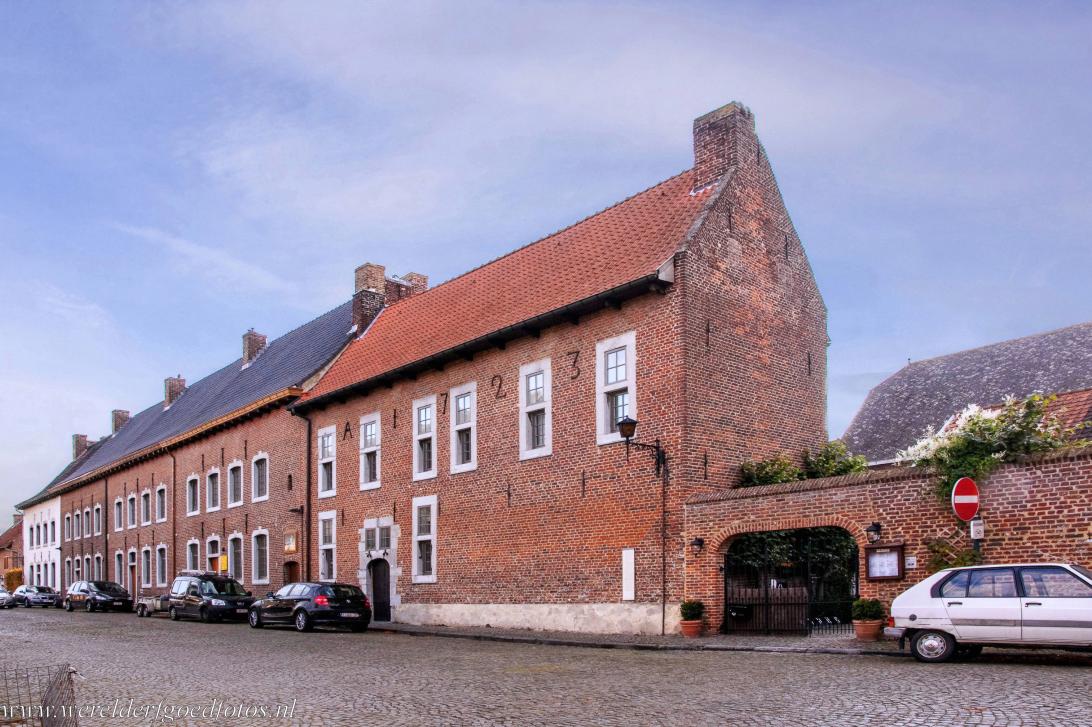
Flemish Béguinages: One of the historic houses of the Flemish Béguinage of Sint-Truiden. The Béguinage of Sint-Truiden was founded in 1258. The béguinage was built outside the town walls of Sint-Truiden; the béguinage was surrounded by its own wall and had its own entrance gate. In its heyday, there were about 200 beguines living in this béguinage.

Flemish Béguinage of Sint-Truiden: One of the historic houses in the béguinage, the Church of Saint Agnes or the Béguinage Church, is situated in the background. A béguinage consists of a group of small houses built around a church or chapel, enclosed by a wall with an entrance gate. Thirteen Flemish Béguinages were inscribed on the UNESCO World Heritage List in 1998.

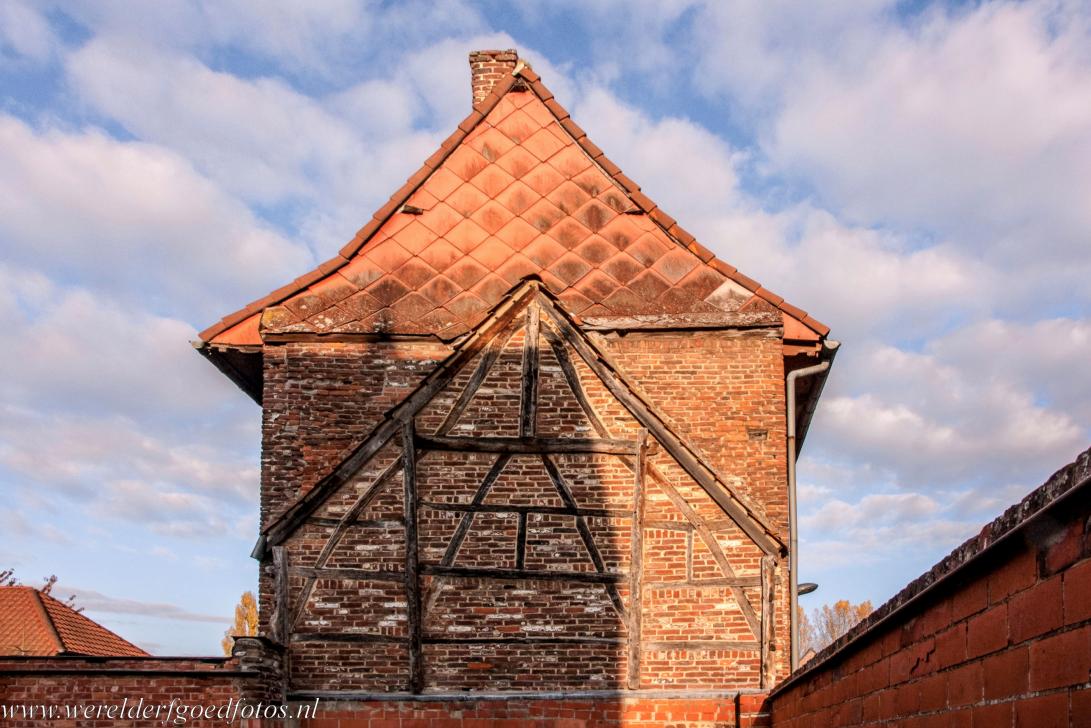
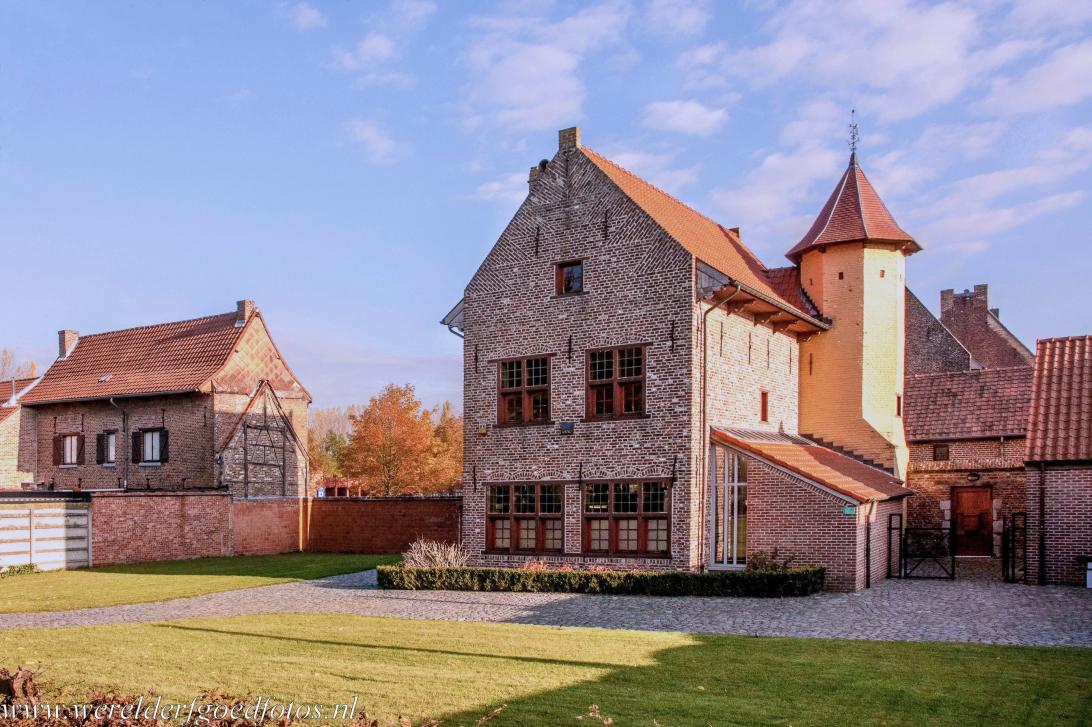
Flemish Béguinage of Sint-Truiden: The Tower House was probably the residence of the Grande Dame. This Great Lady ruled over the Béguinage of Sint-Truiden. The wall anchor on the façade of the Tower House mentions the year 1619. Béguinages were founded in the beginning of the 13th century in the Low Countries (modern-day Netherlands). Flanders was at the time part of this region.

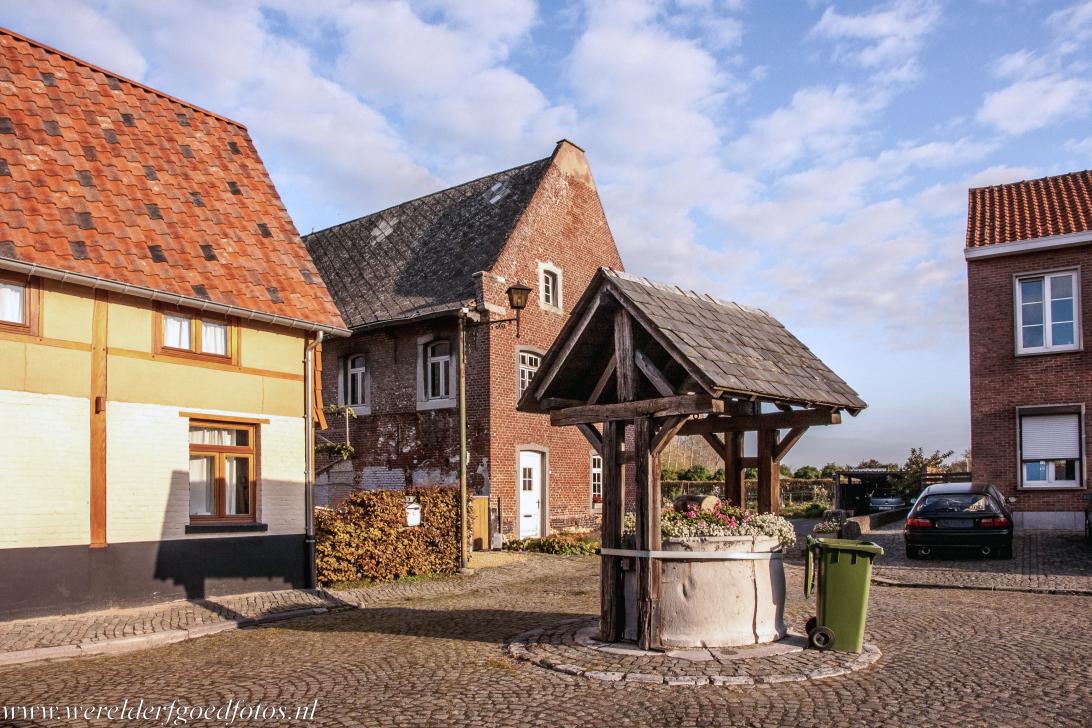
Flemish Béguinages: The former water well in the Flemish Béguinage of Sint-Truiden. Today, it is used as a flower box. Béguines lived in a béguinage (Dutch: begijnhof); Béguines were religious women who dedicated their lives to God without retiring completely from the world. Much like nuns, béguines (Dutch: begijnen) lived a religious life but did not take solemn vows.

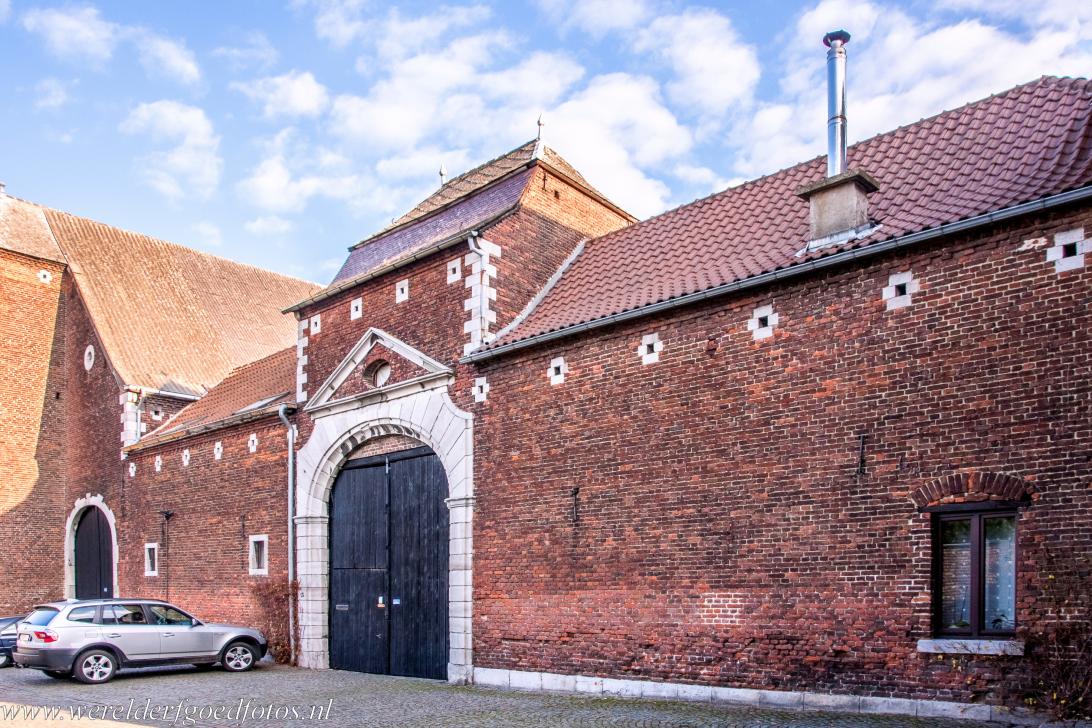
A brick house in the former Flemish Béguinage of Sint-Truiden. Women who lived in a béguinage supported themselves with nursing and traditional textile skills, such as weaving, spinning, lace- and cloth-making. Béguines also spent time in religious contemplation to experience the vision of God. The town of Sint-Truiden is situated in the province of Limburg, in the Flemish region of Belgium. It lies between the cities of Leuven and Liège.

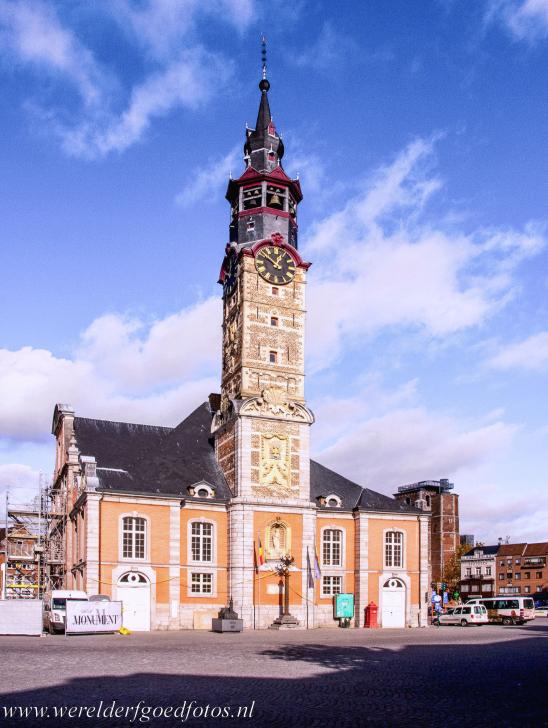
The belfry of Sint-Truiden is situated outside the béguinage of Sint-Truiden. This impressively decorated tower is part of the UNESCO World Heritage Site: Belfries of Belgium and France. The town of Sint-Truiden consists of two UNESCO World Heritage Sites: Flemish Béguinages and Belfries of Belgium and France. Sint-Truiden is a historic town in Belgium.