The Flemish Béguinage in Diest is one of the Flemish Béguinages in Belgium. The béguinages were founded in the 13th century in the Netherlands and Flanders. Flanders was at the time part of the Low Countries. A béguinage consists of a group of small houses built around a church or chapel, enclosed by a wall with an entrance gate. Béguinages were inhabited by béguines, religious women who dedicated their lives to God without retiring from the world. Just like nuns, béguines lived a religious life, but they did not take vows. The Béguinage in Diest was founded in 1253. Most of the 90 houses were built during the 17th and 18th centuries. The entrance gate was built in 1671 and is adorned with a niche housing the Virgin and Child. Saint Catherine's Church was built of iron sandstone in the 14th century. The Flemish Béguinage at Diest is well preserved. Nowadays, the houses have become artists' studios and homes for the elderly. Thirteen Flemish Béguinages were declared a UNESCO World Heritage Site in 1998. The Flemish Béguinage in Diest is part of this UNESCO World Heritage Site. Another two Flemish béguinages are: Béguinage of Tongeren and Béguinage of Sint-Truiden.
www.werelderfgoedfotos.nl © Copyright World Heritage Photos
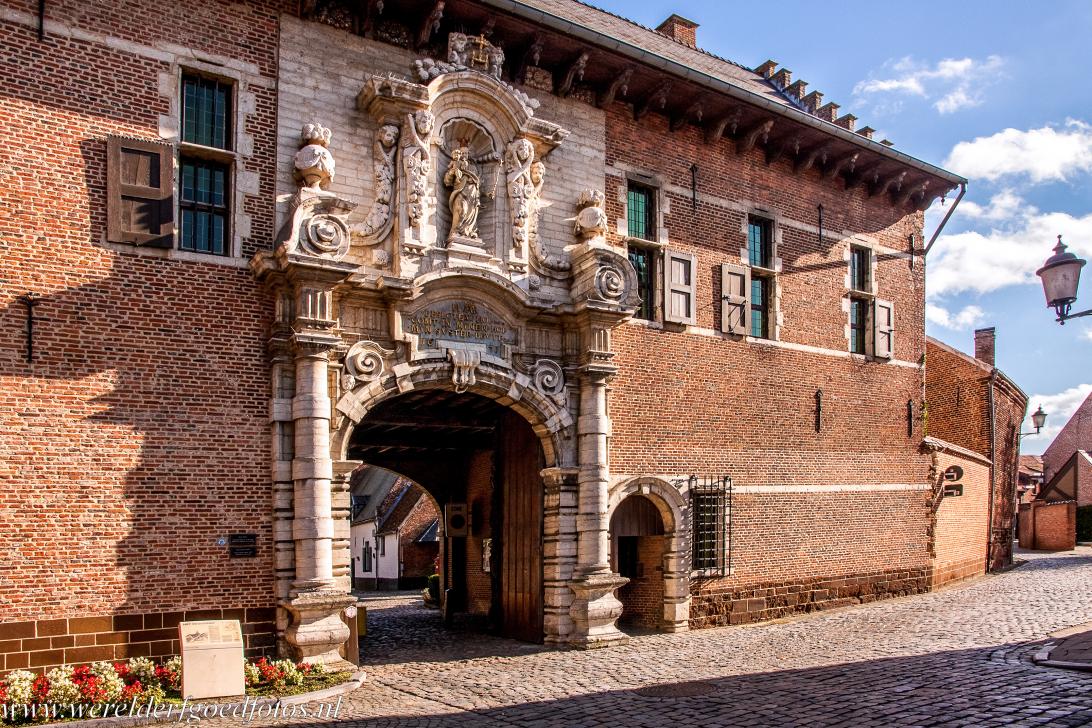
Flemish Béguinage of Diest: The Baroque main entrance was built in 1671 and is adorned with a niche housing a statue of the Madonna and Child, surrounded by sculpted flowers and heads of angels. The decorations were intended to strengthen the faith of the people. Béguinages were founded in the 13th century in the Netherlands and in Flanders; at that time, the five provinces of Flanders were a region of the Low Countries. The Béguinage in the town of Diest is part of the serial UNESCO World Heritage Site: Flemish Béguinages.
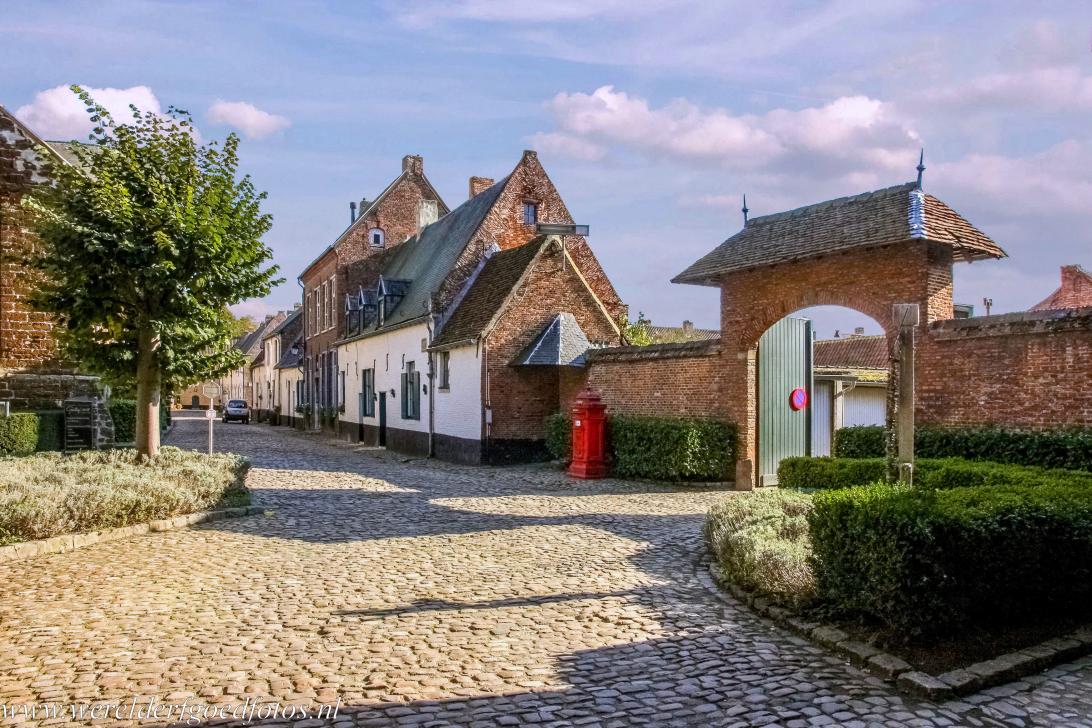
Flemish Béguinage of Diest: The Baroque main entrance was built in 1671 and is adorned with a niche housing a statue of the Madonna and Child, surrounded by sculpted flowers and heads of angels. The decorations were intended to strengthen the faith of the people. Béguinages were founded in the 13th century in the Netherlands and in Flanders; at that time, the five provinces of Flanders were a region of the Low Countries. The Béguinage in the town of Diest is part of the serial UNESCO World Heritage Site: Flemish Béguinages.
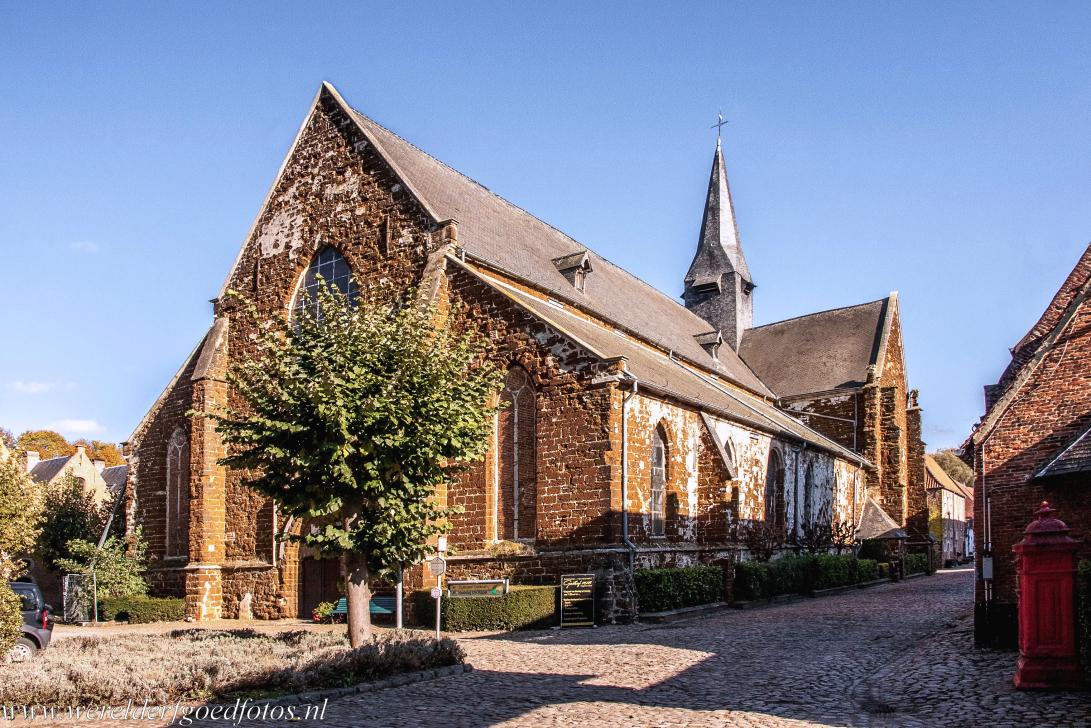
Flemish Béguinage of Diest: Béguines lived in a béguinage (Dutch: begijnhof). Béguines (Dutch: begijnen) were women who dedicated their lives to God without retiring from the world. Just like nuns, béguines lived a religious life, but they did not take eternal religious vows of chastity and obedience; béguines could return to the world. Béguines lived and worked under the protection of the local bishop. The Beguinage is freely accessible, but most buildings are closed to visitors.

The Gothic Saint-Catherine's Church is situated in the centre of the Flemish Béguinage of Diest. The church was built using the regional iron sandstone in the 13th and 14th centuries on the site of an earlier chapel. A small lantern tower adorns the church. The Saint-Catherine's Church houses several religious works of art dating from the 17th century. The main altar is adorned with the painting 'The Adoration of the Shepherds'. The sculpted pulpit dates from 1671.

The Flemish Béguinage of Diest was founded in 1253. The Béguinage of Diest was dedicated to Saint Catherine. Most of the 90 béguinage houses were built during the 17th and 18th centuries. At the end of the 18th century, this béguinage was dissolved during the period of the French Occupation (1794–1814). After the fall of Napoleon Bonaparte in 1815, the beguines returned to the béguinage. In 1675, about 400 beguines lived in the Beguinage of Diest. At the beginning of the 20th century, there were no longer any beguines living in this beguinage.

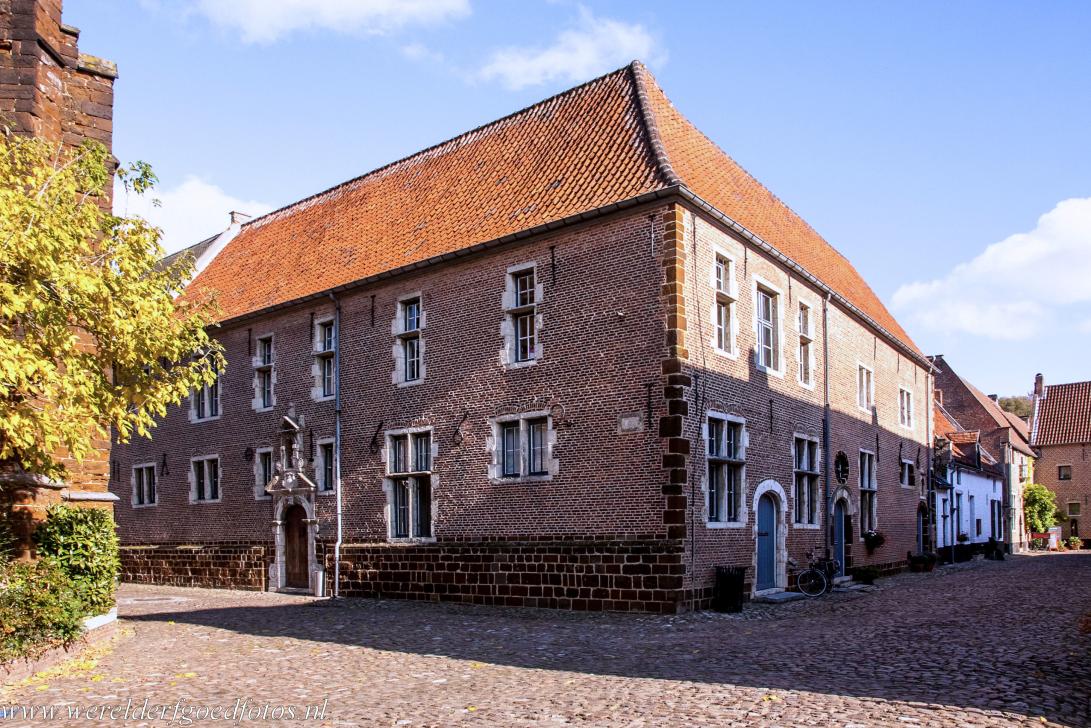
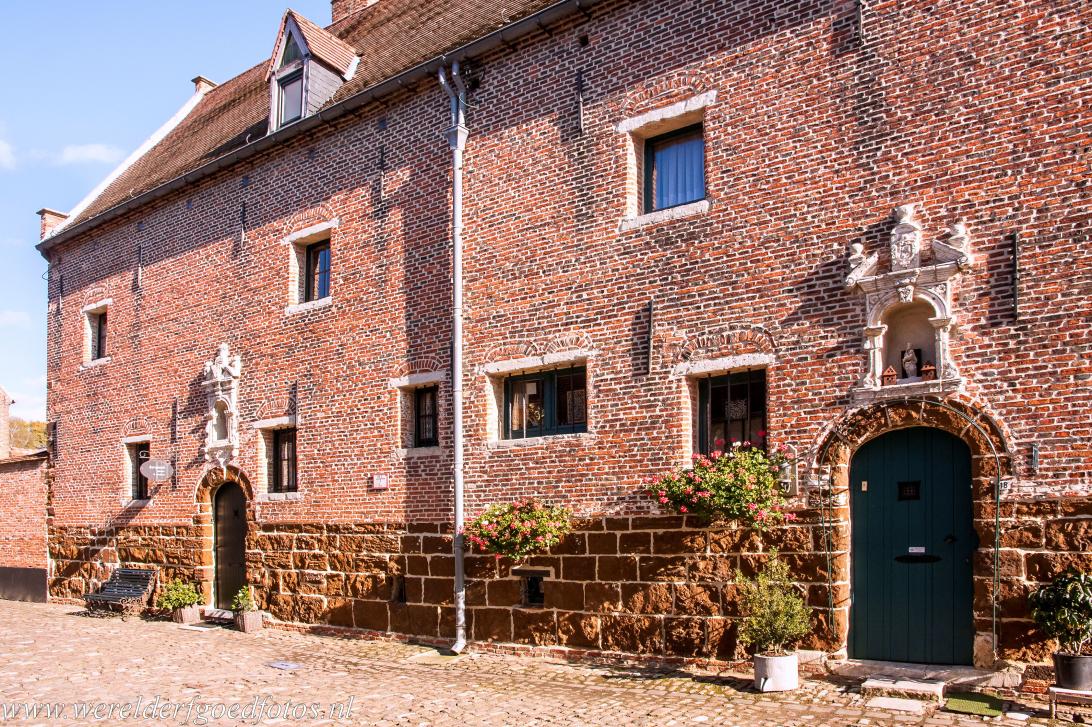
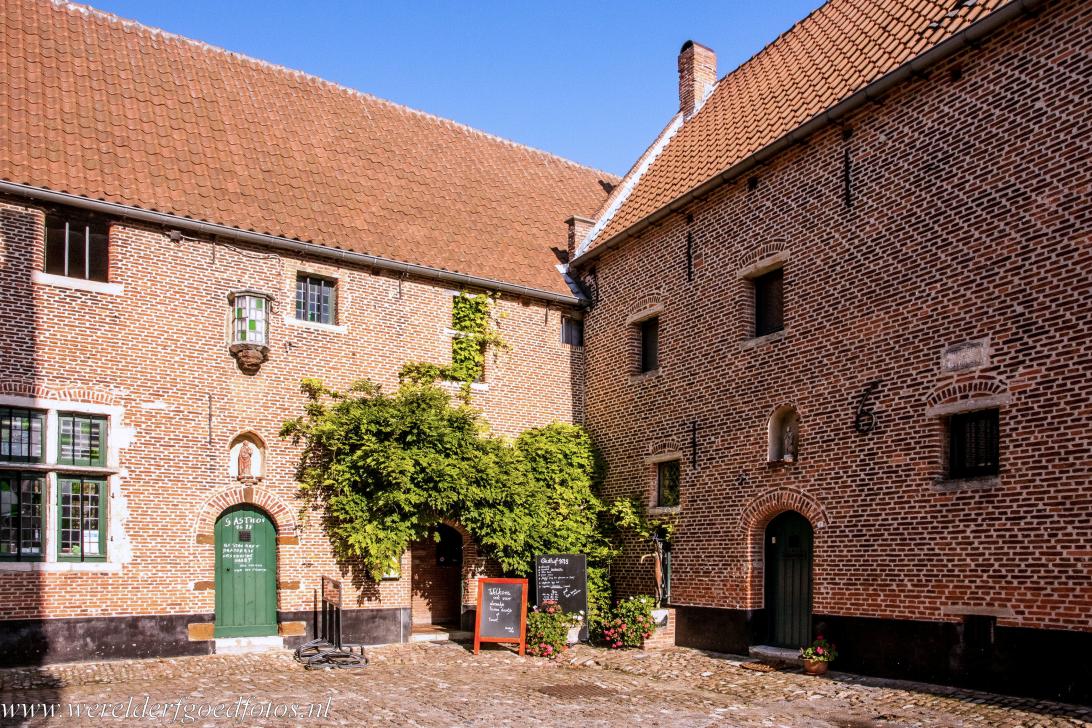
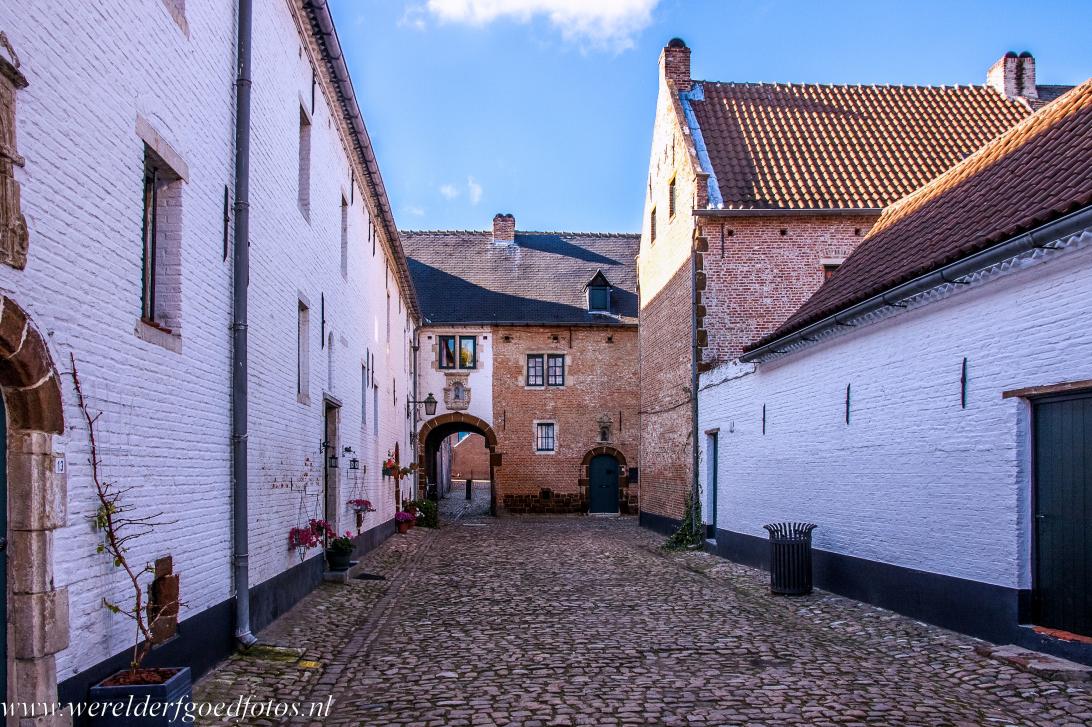
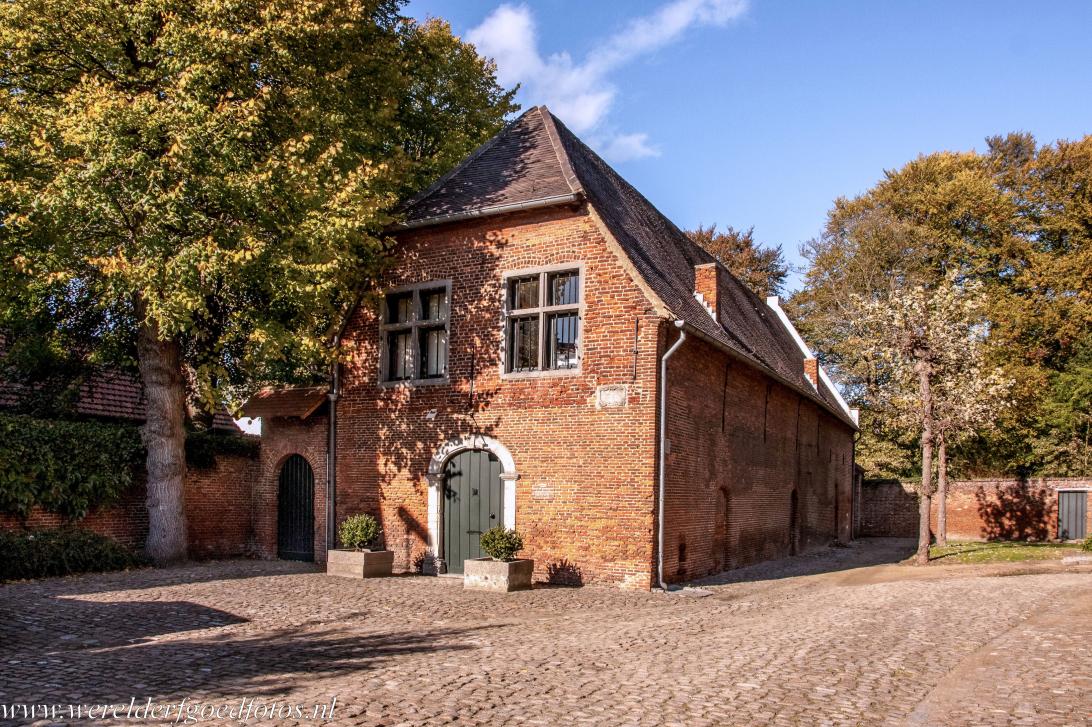
Flemish Béguinage of Diest: One of the historic red brick houses. The Béguinage of Diest is one of the largest béguinages in the world; it is located just outside the historic town centre of Diest. The streets of the béguinage are paved with cobblestones (Dutch: kinderkopjes), natural stones which are typically irregular in size and shape. These iconic stones have been used for centuries to pave roads. Compared to other Flemish béguinages, the streets of the Béguinage of Diest are relatively straight and wide.

The béguine houses in the Flemish Béguinage of Diest date back to the 17th and 18th centuries. The red brick façades are ornamented with tiny niches. In the niches are small statues of saints. Béguines supported themselves by caring for the poor and the elderly, nursing and traditional textile crafts such as spinning, lacemaking, clothmaking and weaving. Béguines also spent time in religious contemplation to experience the vision of God.

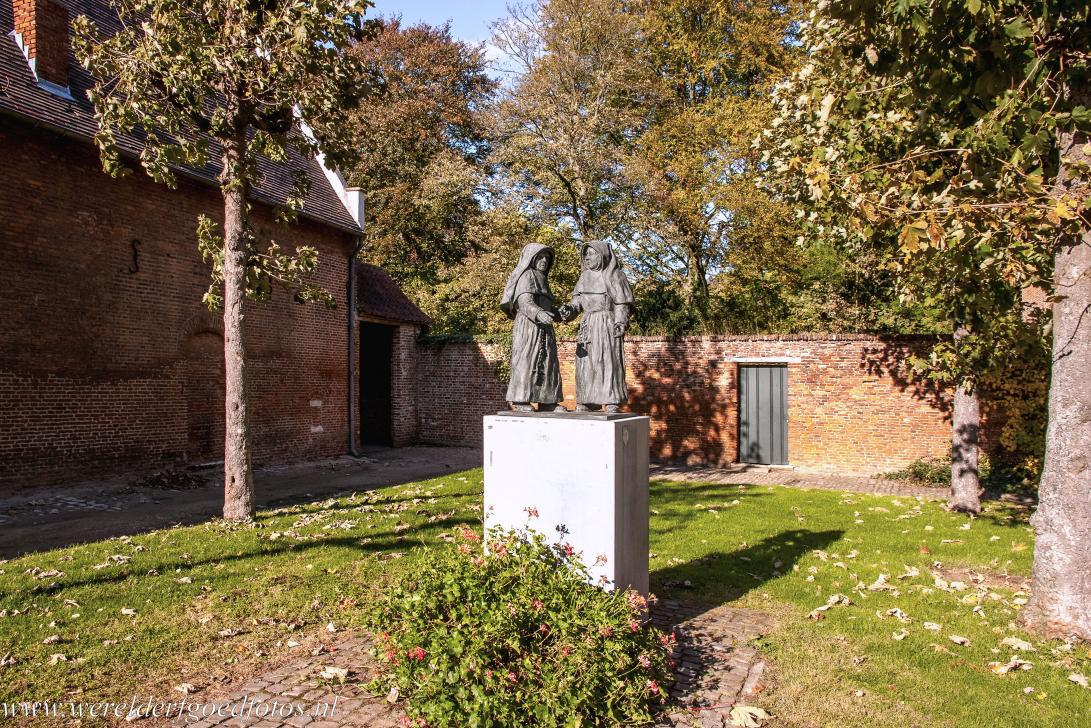
The sculpture of the béguines Johanna Uitdewilligen and Bernardina Janssen. In 1926, they were the last beguines to leave the Flemish Beguinage of Diest. Due to several wars and the crusades, there were more single women than single men in the medieval period. Living alone was a real danger for medieval women. Many of the unmarried women, often older and widowed, joined a béguinage. It was a perfect refuge; here they lived under the guidance and protection of the church and the local bishop.

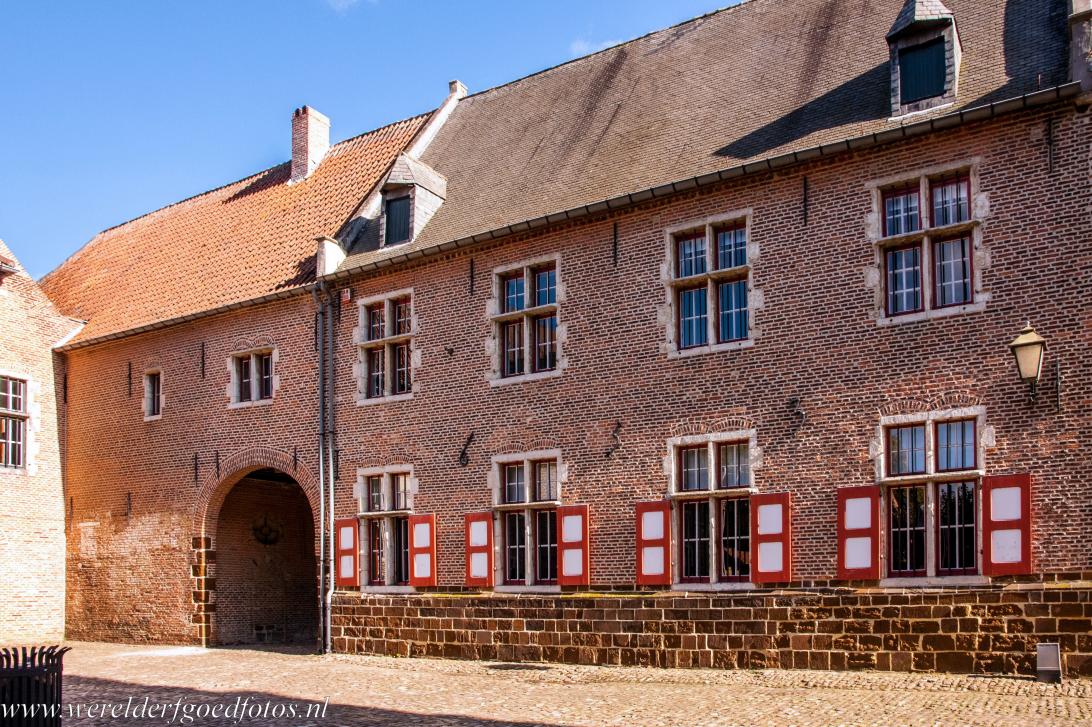
Flemish Béguinage of Diest: The Convent of the Holy Spirit houses now an authentic tavern; the building dates back to 1618. Nicolaas van Essche (1507–1578) was the pastor of the Béguinage of Diest. In 1540, he ordered the demolition of the 13th-century wooden houses. They were considered to be unsafe in case of a fire, so the houses were rebuilt with red brick along a grid plan of broad streets. Most of the Flemish Béguinages have maintained their medieval layout and architecture.

Flemish Béguinage of Diest: One of the gates is adorned with a niche housing a statue of a saint. The Béguinage of Diest is a well-preserved béguinage. The béguinage is now a historic suburb of the Belgian town of Diest. The houses have become artists' studios and homes for the elderly; the former infirmary was converted into a cultural centre with meeting and exhibition rooms. Just like the Béguinage at Diest, most of the Flemish Béguinages have maintained their medieval atmosphere and character.

Flemish Béguinages: Just like most beguinages, the Béguinage of Diest is surrounded by a red brick wall; there are two entry gates. The Béguinage of Diest is one of the largest remaining béguinages in the Low Countries. The Flemish Béguinage of Diest is one of the thirteen Flemish Béguinages recognised by UNESCO as a World Heritage Site. The well-preserved Béguinage of Diest is situated on the edge of the historic town centre of Diest. Diest is situated in the northeastern part of Belgium, about 60 km from Brussels.