Bauhauslocaties in Weimar

Het Bauhaus was een opleiding voor beeldend kunstenaars, ambachtslieden en architecten. In 1919 ontstond het Staatliches Bauhaus Weimar uit twee eerdere scholen. Henry van de Velde (ontwerper van het Kröller-Müller Museum) was directeur van de Kunstschule, na zijn vertrek voegde de nieuwe directeur Walter Gropius twee scholen samen tot het Staatliches Bauhaus Weimar, kortweg het Bauhaus. Het Bauhaus was tussen 1919 en 1933 het vernieuwende centrum van architectuur en design, eerst gevestigd in Weimar, vanaf 1925 in Dessau, vanaf 1932 in Berlijn. Met de opkomst van het nationaalsocialisme in Duitsland werd het Bauhaus in 1933 verplicht opgeheven. Leraren en leerlingen verspreidden zich wereldwijd. Gropius werd hoogleraar aan de Harvard-universiteit in de Verenigde Staten. Het Bauhaus design omvat gebouwen, beeldende kunst, gebruiksvoorwerpen en meubels. Het Bauhaus design vond overal navolging. Het Bauhaus Museum Weimar bezit ontwerpen, beeldende kunst, gebruiksvoorwerpen en meubels van het Bauhaus. Hoewel in Weimar gebouwen van de architecten Henry van de Velde en Walter Gropius staan, is het Haus am Horn het enige oorspronkelijke gebouw van het Bauhaus in Weimar. Het Haus am Horn werd in 1923 gebouwd naar een ontwerp van Georg Muche en is het eerste statement van de bouwstijl het Bauhaus. Het Haus am Horn ligt bij het Park an der Ilm en Goethe's tuinhuis. Werelderfgoed Zeche Zollverein werd gebouwd volgens de ideeën van het Bauhaus. Een aan het Bauhaus verwante design stroming is De Stijl (Rietveld-Schröderhuis). Walter Gropius werd met o.a. de Nederlander Jacobus Johannes Pieter Oud (lid van De Stijl) tot de Grote Vier van de nieuwe bouwkunst gerekend. Weimar heeft naast de Bauhauslocaties nog een UNESCO Werelderfgoed: Classical Weimar 

De Bauhauslocaties in Weimar en Dessau staan sinds 1996 op de Werelderfgoedlijst van UNESCO als: Bauhaus and its Sites in Weimar and Dessau. Werelderfgoedsite: Het Bauhaus in Dessau
Beeldend werk/World Heritage Art: Ode aan het Bauhaus

www.werelderfgoedfotos.nl     Bauhaus Sites in Weimar     World Heritage Photos

 De Bauhauslocaties in Weimar staan sinds 1996 op de Werelderfgoedlijst van UNESCO. 
  Bauhaus and its Sites in Weimar were inscribed on the World   Heritage List in 1996.

De Bauhauslocaties in Weimar staan sinds 1996 op de Werelderfgoedlijst van UNESCO.

Bauhaus and its Sites in Weimar were inscribed on the World Heritage List in 1996.

 De Bauhauslocaties in Weimar staan sinds 1996 op de Werelderfgoedlijst van UNESCO. 
  Bauhaus and its Sites in Weimar were inscribed on the World   Heritage List in 1996.

De Bauhauslocaties in Weimar staan sinds 1996 op de Werelderfgoedlijst van UNESCO.

Bauhaus and its Sites in Weimar were inscribed on the World Heritage List in 1996.

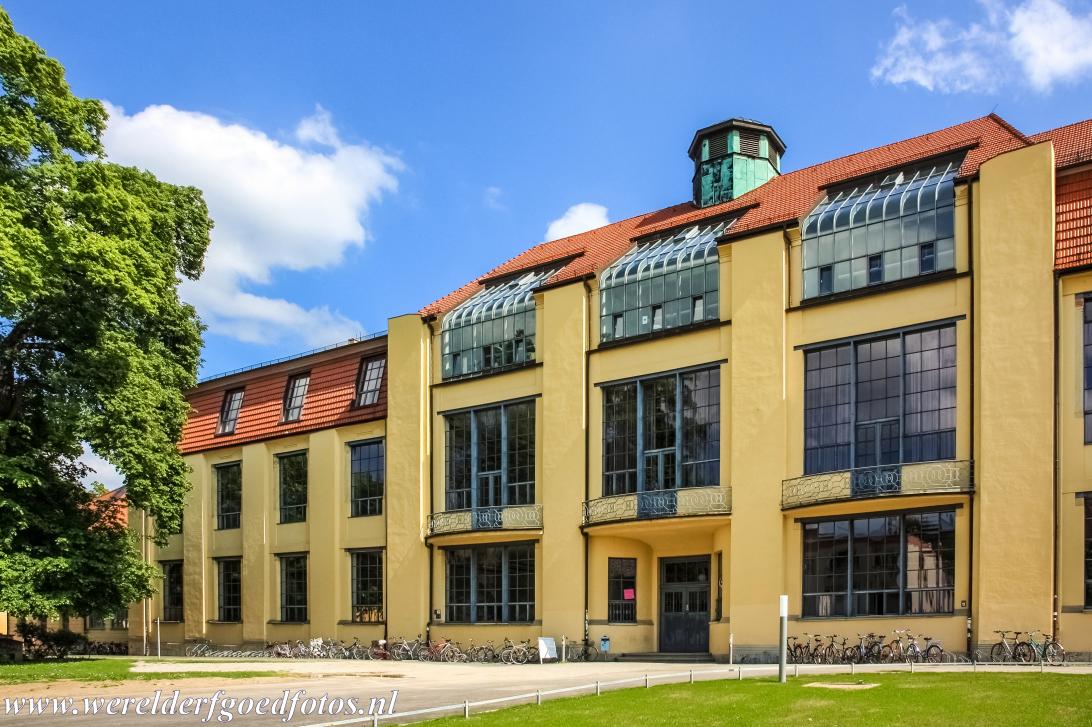
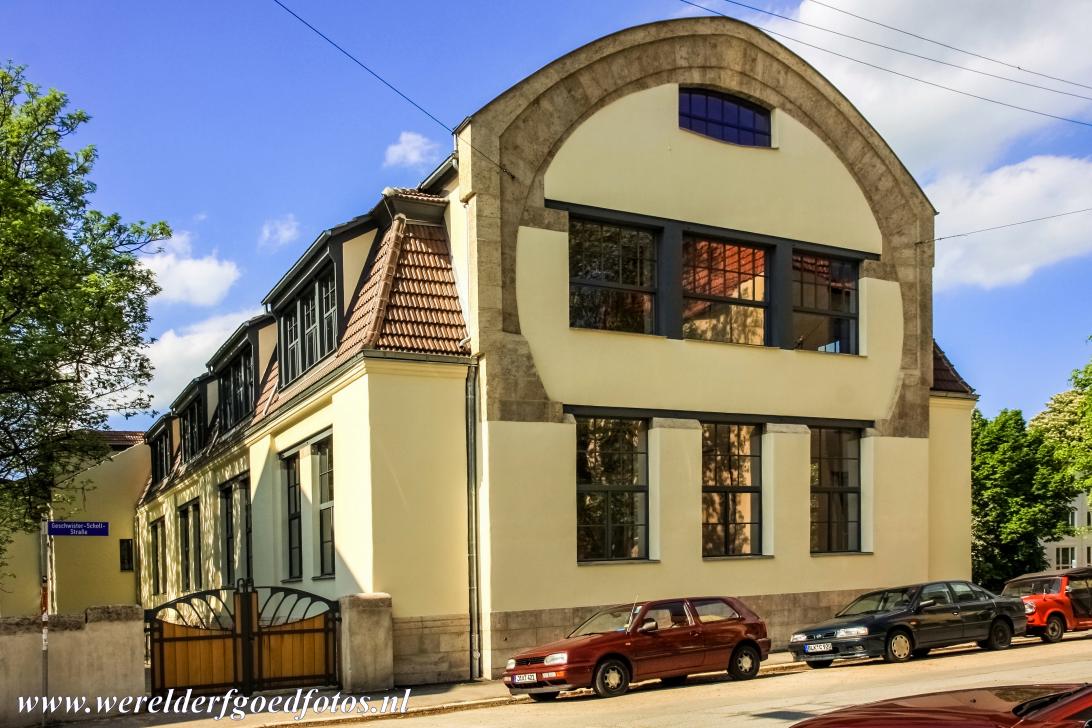
 Bauhauslocaties in Weimar en Dessau: Het gebouw van de Bauhaus Universiteit Weimar 
 werd ontworpen door Henry van de Velde. In Weimar ontstond in 1919 de nieuwe 
 kunststroming  'Das Bauhaus' . Henry van de Velde, ontwerper van o.a. het 
 Kröller-Müller Museum, was directeur van de  'Kunstschule '. Na het vertrek van 
 Henry van de Velde voegde Walter Gropius twee scholen samen tot het 
  'Staatliches Bauhaus Weimar' , kortweg het Bauhaus,  'Das Bauhaus'.  Het Bauhaus was 
 een opleiding voor beeldend kunstenaars, ambachtsmensen en architecten. Het Bauhaus 
 zorgde voor een vernieuwende stroming in de kunst, design en architectuur in het begin 
 van de 20ste eeuw. De ideeën van het Bauhaus vonden overal navolging in de wereld. 
     
  Bauhaus and its Sites in Weimar and Dessau:   The Bauhaus University Weimar.   
  The building was designed by Henry van de Velde. The Bauhaus University Weimar  
  is the place were the   Bauhaus School   was founded in 1919.   T  he Bauhaus School is   
  commonly known as   'Das Bauhaus' (the Bauhaus).     T he Bauhaus created     a revolution    
  in art, design and   architecture in   the early 20th century.

Bauhauslocaties in Weimar en Dessau: Het gebouw van de Bauhaus Universiteit Weimar

werd ontworpen door Henry van de Velde. In Weimar ontstond in 1919 de nieuwe

kunststroming 'Das Bauhaus'. Henry van de Velde, ontwerper van o.a. het

Kröller-Müller Museum, was directeur van de 'Kunstschule'. Na het vertrek van

Henry van de Velde voegde Walter Gropius twee scholen samen tot het

'Staatliches Bauhaus Weimar', kortweg het Bauhaus, 'Das Bauhaus'. Het Bauhaus was

een opleiding voor beeldend kunstenaars, ambachtsmensen en architecten. Het Bauhaus

zorgde voor een vernieuwende stroming in de kunst, design en architectuur in het begin

van de 20ste eeuw. De ideeën van het Bauhaus vonden overal navolging in de wereld.


Bauhaus and its Sites in Weimar and Dessau: The Bauhaus University Weimar.

The building was designed by Henry van de Velde. The Bauhaus University Weimar

is the place were the Bauhaus School was founded in 1919. The Bauhaus School is

commonly known as 'Das Bauhaus' (the Bauhaus). The Bauhaus created a revolution

in art, design and architecture in the early 20th century.

   
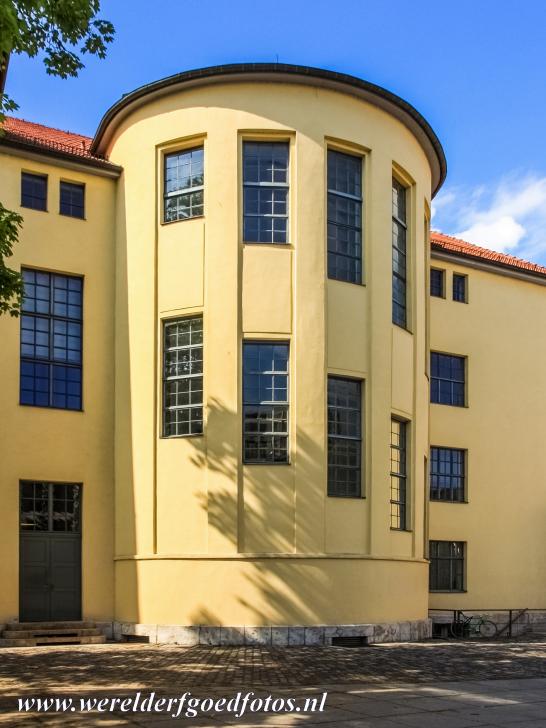
 Bauhauslocaties in Weimar en Dessau: Achterzijde van de Bauhaus Universiteit Weimar. 
 Het Bauhaus werd in 1919 opgericht door Walter Gropius. Het Bauhaus was eerst 
 gevestigd in Weimar, vanaf 1925 in Dessau, van 1932-1933 in Berlijn. 
 Onder druk van het Naziregime werd de school opgeheven.     
     
  Bauhaus and its Sites in Weimar and Dessau: The Bauhaus University in Weimar.  
  The Bauhaus school was founded by Walter Gropius in Weimar. The Bauhaus school  
  existed in Weimar (1919-1925), Dessau (1925-1932) and Berlin (1932-1933).  
  The Bauhaus school was closed under pressure from the nazi regime.   The Bauhaus   
  style became one of the most important currents in modern design   and architecture.


Bauhauslocaties in Weimar en Dessau: Achterzijde van de Bauhaus Universiteit Weimar.

Het Bauhaus werd in 1919 opgericht door Walter Gropius. Het Bauhaus was eerst

gevestigd in Weimar, vanaf 1925 in Dessau, van 1932-1933 in Berlijn.

Onder druk van het Naziregime werd de school opgeheven.  


Bauhaus and its Sites in Weimar and Dessau: The Bauhaus University in Weimar.

The Bauhaus school was founded by Walter Gropius in Weimar. The Bauhaus school

existed in Weimar (1919-1925), Dessau (1925-1932) and Berlin (1932-1933).

The Bauhaus school was closed under pressure from the nazi regime. The Bauhaus 

style became one of the most important currents in modern design and architecture.

 Bauhauslocaties in Weimar en Dessau: Het gebouw van de voormalige  'Kunstschule'  in 
 Weimar. Het gebouw werd ontworpen door Henry van de Velde. Het gebouw van de 
 voormalige  'Kunstschule'  hoort nu bij de Bauhaus Universiteit Weimar en ligt naast 
 het hoofdgebouw. In dit gebouw werd  Das Bauhaus  opgericht door Walter Gropius. 
 De Bauhauslocaties in Weimar en Dessau vormen samen een Werelderfgoedsite en staan 
 sinds 1996 als Werelderfgoed ingeschreven op de Werelderfgoedlijst van UNESCO als: 
  Bauhaus and its Sites in Weimar and Dessau.  
     
  Bauhaus and its Sites in Weimar and Dessau: The former School of Arts and Crafts.  
  The building was designed by Henry van de Velde.   The building of the   
  former   School of Arts and Crafts is part of     the Bauhaus University Weimar  
  and located near the main building of the Bauhaus University Weimar. This building  
  was the   place where Walter Gropius founded the Bauhaus School in Weimar.  
  Bauhaus and its Sites in Weimar and Dessau became a World   Heritage Site in 1996.

Bauhauslocaties in Weimar en Dessau: Het gebouw van de voormalige 'Kunstschule' in

Weimar. Het gebouw werd ontworpen door Henry van de Velde. Het gebouw van de

voormalige 'Kunstschule' hoort nu bij de Bauhaus Universiteit Weimar en ligt naast

het hoofdgebouw. In dit gebouw werd Das Bauhaus opgericht door Walter Gropius.

De Bauhauslocaties in Weimar en Dessau vormen samen een Werelderfgoedsite en staan

sinds 1996 als Werelderfgoed ingeschreven op de Werelderfgoedlijst van UNESCO als:

Bauhaus and its Sites in Weimar and Dessau.
 

Bauhaus and its Sites in Weimar and Dessau: The former School of Arts and Crafts.

The building was designed by Henry van de Velde. The building of the

former School of Arts and Crafts is part of the Bauhaus University Weimar

and located near the main building of the Bauhaus University Weimar. This building

was the place where Walter Gropius founded the Bauhaus School in Weimar.

Bauhaus and its Sites in Weimar and Dessau became a World Heritage Site in 1996.

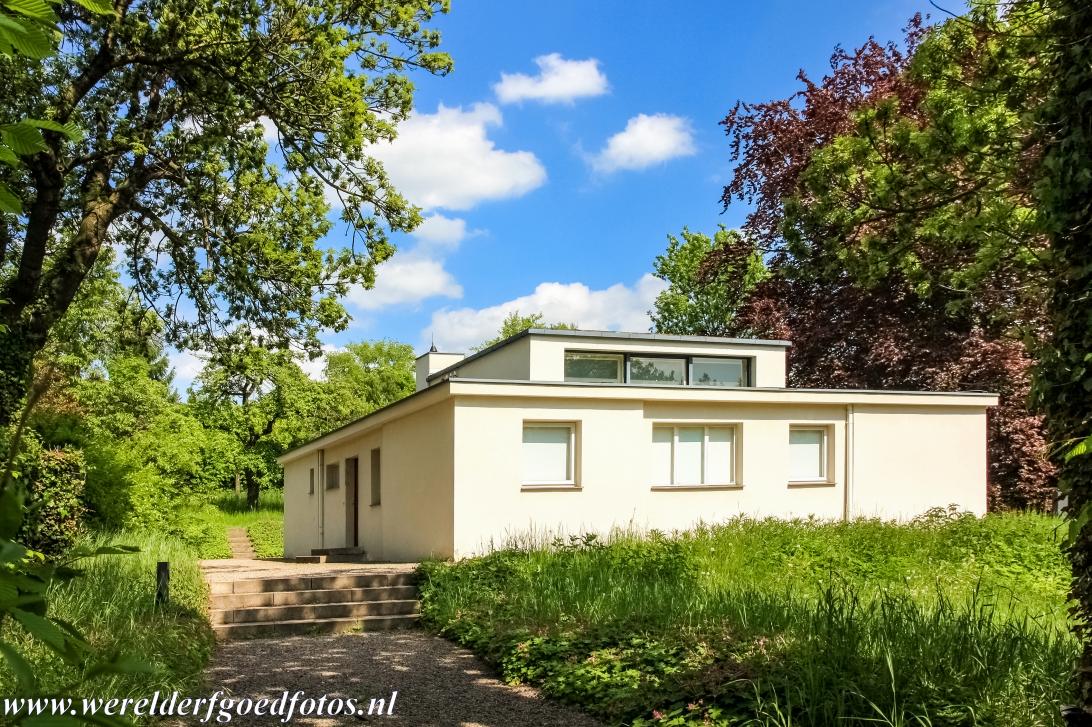
 Bauhauslocaties in Weimar en Dessau: 
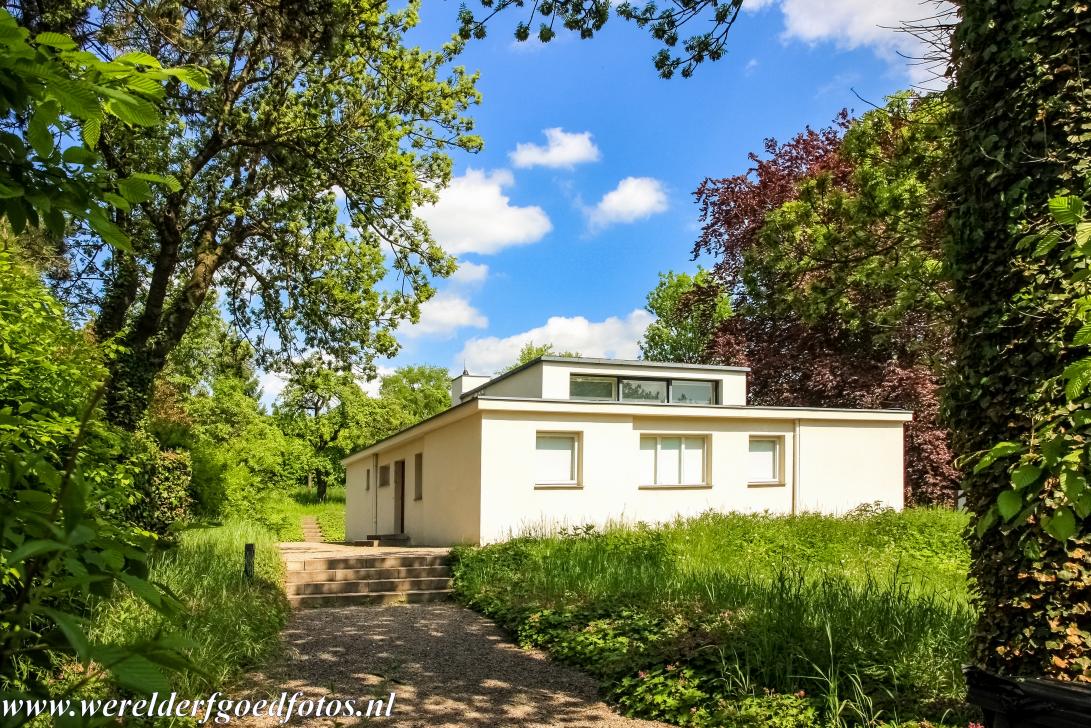
 Het  'Haus am Horn'  werd in 1923 gebouwd naar een ontwerp van Georg Muche. Het 
  'Haus am Horn'  is het eerste statement van de nieuwe bouwstijl het Bauhaus. 
 Het  'Haus   am Horn'  ligt bij het  'Park an der Ilm' , niet ver van het tuinhuis van Goethe. 
     
  Bauhaus and its Sites in Weimar and Dessau: The Haus am Horn.  
  The Haus am Horn was designed by Georg Muche in 1923. The Haus am Horn is the  
  first   Bauhaus building ever constructed and the only one in Weimar.   The Haus am Horn   
  has the shape of a cubic and was built of steel and concrete. Each room  
  had specially designed furniture, designed and created in the Bauhaus workshops.  
  The Haus am Horn is   located near the Park an der Ilm and Goethe's garden house.

Bauhauslocaties in Weimar en Dessau:

Het 'Haus am Horn' werd in 1923 gebouwd naar een ontwerp van Georg Muche. Het

'Haus am Horn' is het eerste statement van de nieuwe bouwstijl het Bauhaus.

Het 'Haus am Horn' ligt bij het 'Park an der Ilm', niet ver van het tuinhuis van Goethe.


Bauhaus and its Sites in Weimar and Dessau: The Haus am Horn.

The Haus am Horn was designed by Georg Muche in 1923. The Haus am Horn is the

first Bauhaus building ever constructed and the only one in Weimar. The Haus am Horn 

has the shape of a cubic and was built of steel and concrete. Each room

had specially designed furniture, designed and created in the Bauhaus workshops.

The Haus am Horn is located near the Park an der Ilm and Goethe's garden house.

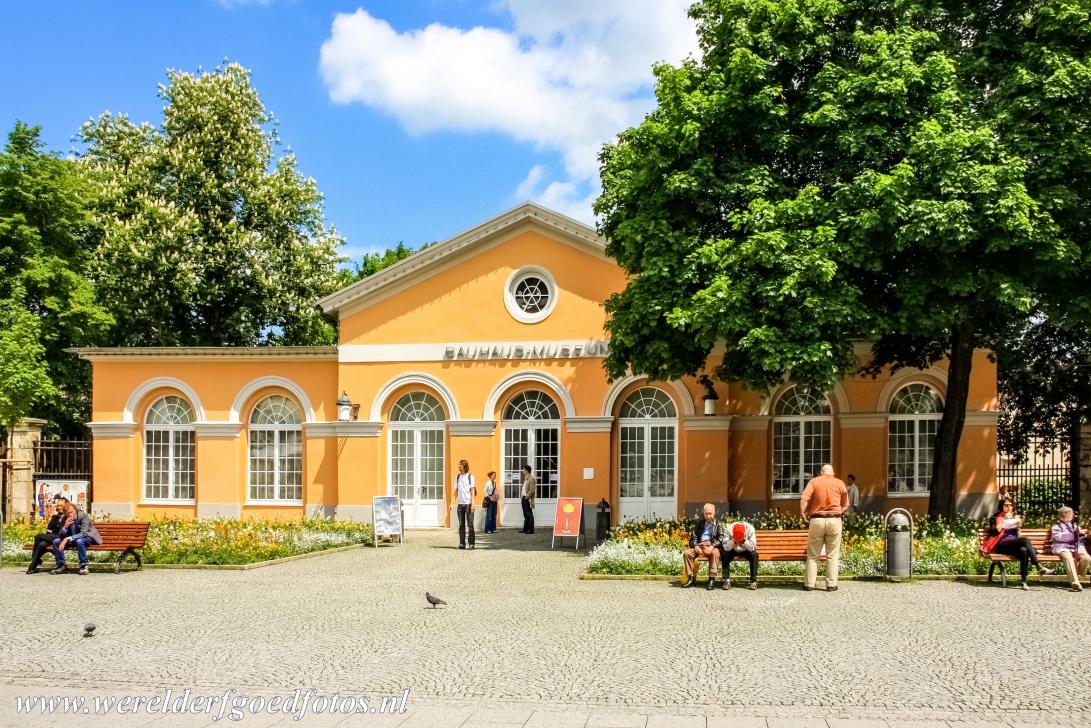
 In het Bauhausmuseum in Weimar zijn ontwerpen, meubels, gebruiksvoorwerpen en 
 beeldende kunst van het Bauhaus te zien, werk van Walter Gropius, de stichter van het 
 Bauhaus, maar ook werk van andere Bauhaus meesters, zoals Paul Klee en Gerhard Marcks. 
 Het  Bauhaus-Museum  ligt, evenals het  Wittumspalais  en  Deutsches Nationaltheater,  
 aan de  Theatherplatz  in Weimar. 
 De Bauhauslocaties in Weimar maken deel uit van het UNESCO Werelderfgoed: 
  Bauhaus and its Sites in Weimar and Dessau.  
  Bauhaus and its Sites in Weimar and Dessau  werden in 1996 ingeschreven op de 
 Werelderfgoedlijst van UNESCO. 
     
  The Bauhaus Museum in Weimar. The objects in the museum illustrate the   
  creative   work of   the   Bauhaus. The museum shows works of Walter Gropius, founder   
  of the Bauhaus,   as well as those of famous Bauhaus masters such as Paul Klee and   
  Gerhard Marcks.   The Bauhaus Museum is located at Theatherplatz in Weimar.  
  The Bauhaus locations in Weimar are part of the UNESCO World Heritage Site:   
  Bauhaus and its Sites in Weimar and Dessau.  
  The Bauhaus and its Sites in Weimar and Dessau were inscribed on the  
  World Heritage Site in 1996.

In het Bauhausmuseum in Weimar zijn ontwerpen, meubels, gebruiksvoorwerpen en

beeldende kunst van het Bauhaus te zien, werk van Walter Gropius, de stichter van het

Bauhaus, maar ook werk van andere Bauhaus meesters, zoals Paul Klee en Gerhard Marcks.

Het Bauhaus-Museum ligt, evenals het Wittumspalais en Deutsches Nationaltheater,

aan de Theatherplatz in Weimar.

De Bauhauslocaties in Weimar maken deel uit van het UNESCO Werelderfgoed:

Bauhaus and its Sites in Weimar and Dessau.

Bauhaus and its Sites in Weimar and Dessau werden in 1996 ingeschreven op de

Werelderfgoedlijst van UNESCO.


The Bauhaus Museum in Weimar. The objects in the museum illustrate the

creative work of the Bauhaus. The museum shows works of Walter Gropius, founder

of the Bauhaus, as well as those of famous Bauhaus masters such as Paul Klee and

Gerhard Marcks. The Bauhaus Museum is located at Theatherplatz in Weimar.

The Bauhaus locations in Weimar are part of the UNESCO World Heritage Site: 

Bauhaus and its Sites in Weimar and Dessau.

The Bauhaus and its Sites in Weimar and Dessau were inscribed on the

World Heritage Site in 1996.