Bronze Age Burial Site of Sammallahdenmäki – An Ancient Mystery in Nordic Forests
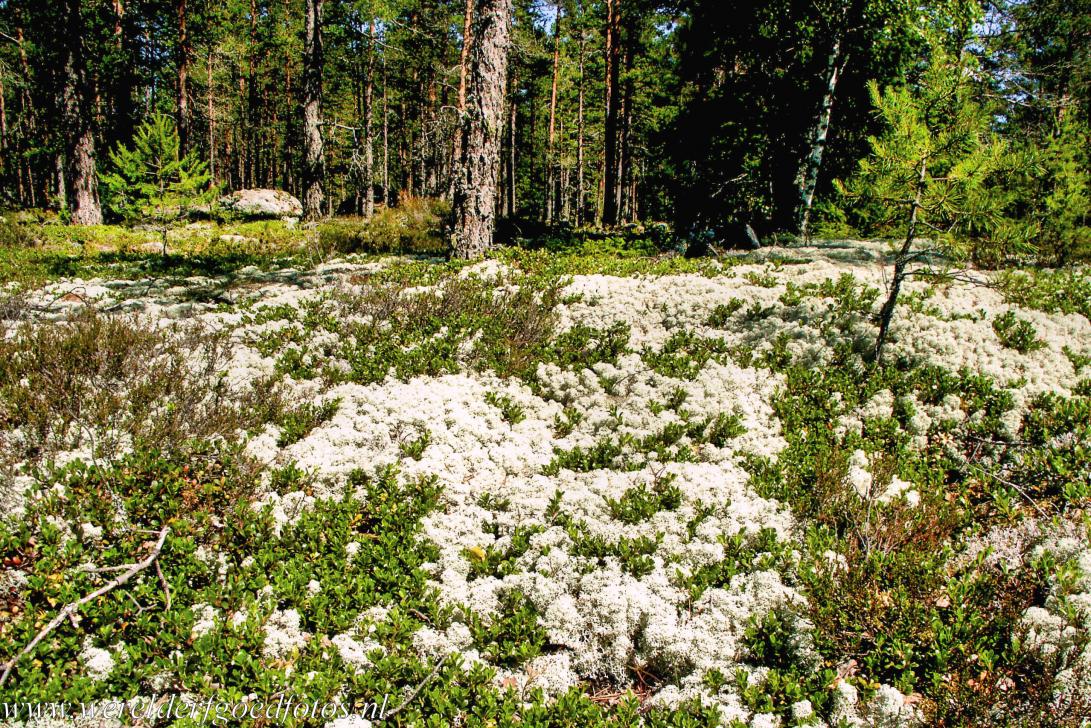
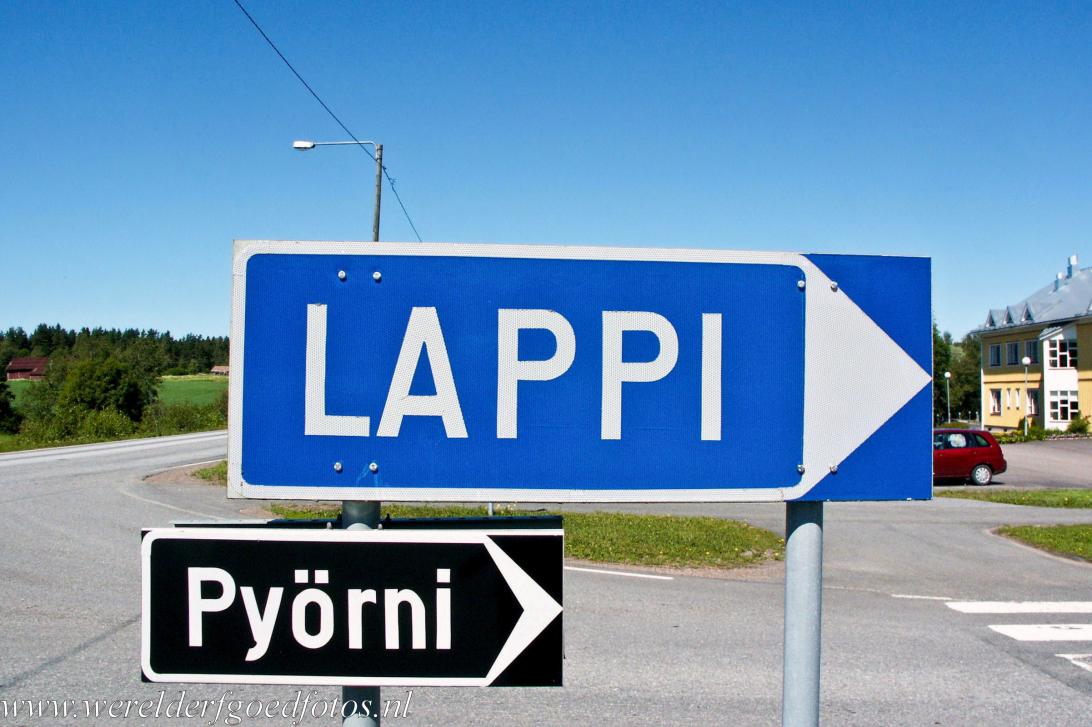
Sammallahdenmäki is located in the Lappi parish near the west coast of Finland. This ancient burial site consists of 36 granite burial cairns spread out over an area of one kilometre. The burial cairns were built close to the Gulf of Bothnia during the Bronze Age (1500–500 BC). At that time, the burial site was easy to spot from the Gulf of Bothnia but due to the land uplift, it is now situated 15 kilometres from the sea. The most important burial cairns of Sammallahdenmäki include the 'Kirkonlaattia' (Church Floor) and the 'Huilun pitkä raunio' (Long Ruin of Huilu), a long wall-like burial cairn surrounded by a stone wall. Most of the Bronze Age burial site is now covered with reindeer moss, plants and forest.
The first excavations of this Bronze Age burial site were carried out in 1891. The Church Floor, the Long Ruin of Huilu and two smaller graves were excavated, but no artefacts were found. Between 2002 and 2003, new excavations took place, revealing human and animal remains, as well as pottery fragments, stone, and bronze artefacts.
Sammallahdenmäki is located off the road between Huittinen and Rauma, about 22 kilometres from Old Rauma, which is also a World Heritage Site. The Burial Site of Sammallahdenmäki became a UNESCO World Heritage Site in 1999.
Explore a World Heritage artwork: Sammallahdenmäki.
www.werelderfgoedfotos.nl © Copyright World Heritage Photos
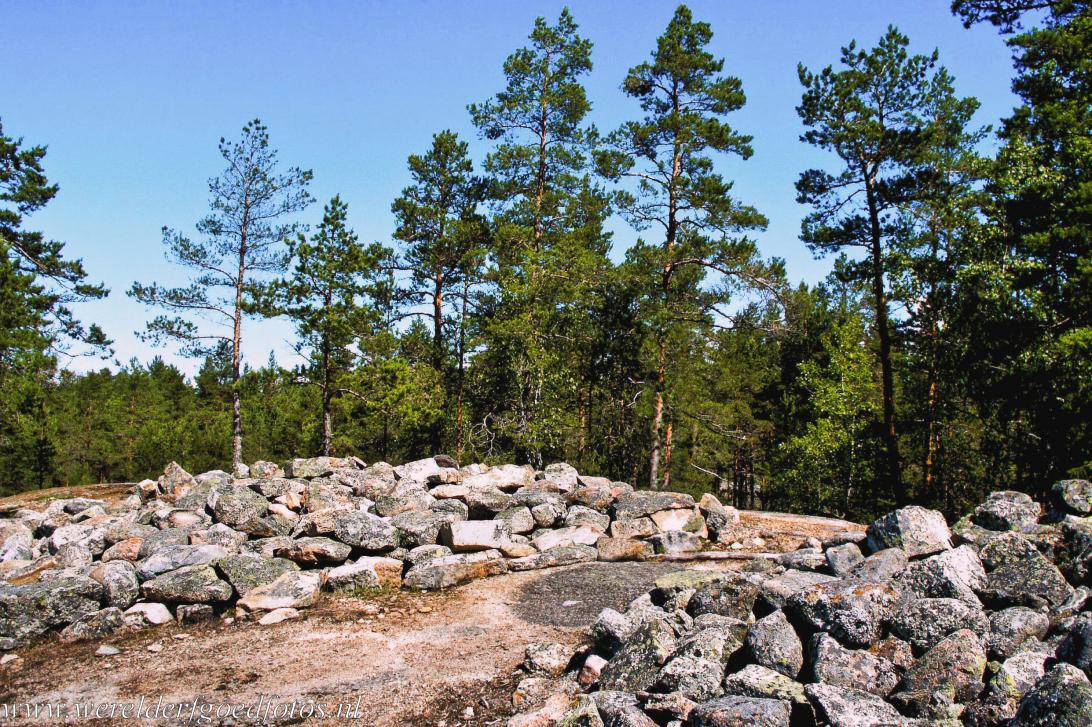
Sammallahdenmäki is a Bronze Age burial site. The Long Ruin of Huilu (Huilun pitkä raunio) is one of the most remarkable burial mounds at this mystical location. The mound is surrounded by a stone wall. During excavations in 2002 and 2003, archaeologists discovered burnt human and animal bones, as well as fragments of pottery and remnants of bronze and stone artefacts. Sammallahdenmäki offers a unique insight into the burial rituals and the social and religious traditions of Northern Europe during the Bronze Age. The unique burial cairns at this site were constructed near the sea between 1500 and 500 BC.