Colonies of Benevolence – A Radical Social Experiment
In 1811, the French under Napoleon occupied the Netherlands. Following their departure, the United Kingdom of the Netherlands was founded in 1815. However, the French had left the country in a ruinous state; poverty was a widespread problem at the beginning of the 19th century. To combat this crisis, the Society of Humanitarianism and the Colonies of Benevolence were founded by General Johannes van den Bosch in 1818; his vision was to create a better world and eliminate poverty.
Seven Colonies of Benevolence were built between 1818 and 1825: five in the Netherlands and two in Belgium, which at that time was part of the United Kingdom of the Netherlands. Poor families, orphans, prostitutes, beggars, the disabled, vagrants, but also military personnel were housed in the colonies. By providing work for these people, educating and guiding them, the society enabled them to escape structural poverty. There were two basic kinds of colonies; the free colonies for poor people and the compulsory or unfree colonies, which functioned as penal settlements.
Frederiksoord, Wilhelminaoord and Willemsoord were free colonies, whereas Ommerschans and Veenhuizen were unfree colonies. In Belgium, Wortel was established as a free colony and Merksplas as a compulsory colony. The Dutch colonies are located in the provinces of Drenthe and Overijssel. The Museum De Proefkolonie and the Visitor Centre stand in Frederiksoord. To recognise their historical importancehe, five of these Colonies of Benevolence were declared a UNESCO World Heritage Site in 2021.
www.werelderfgoedfotos.nl © Copyright World Heritage Photos classic car road trip
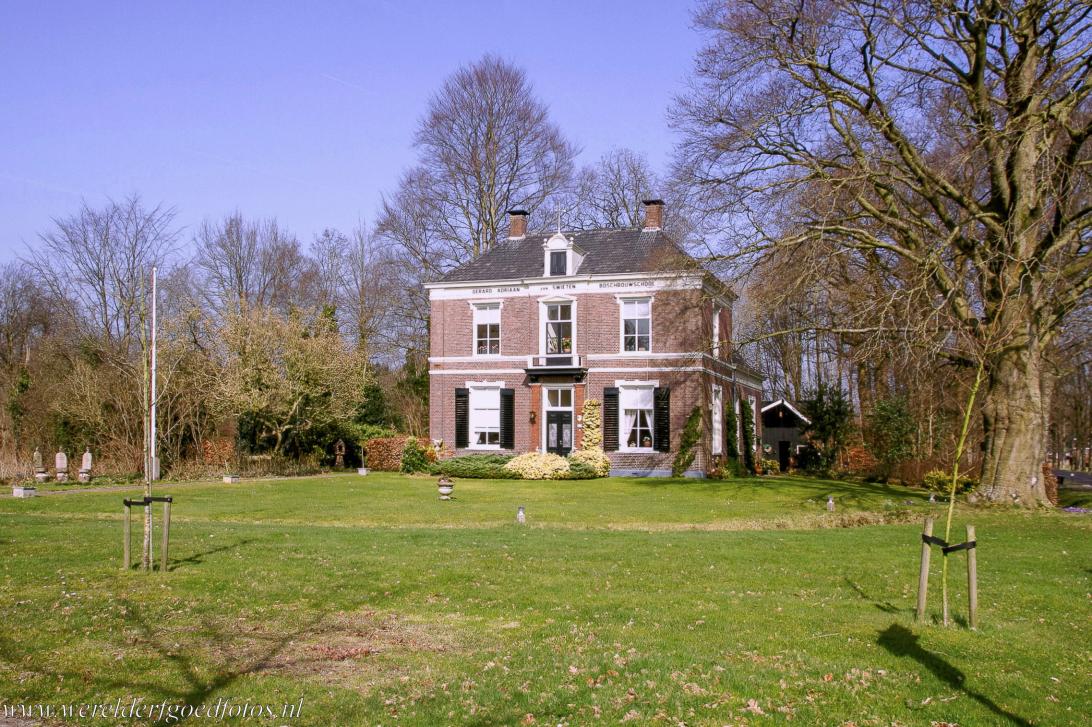
Colonies of Benevolence: The Forestry School was established in 1887 by Major van Swieten in memory of his son Gerard Adriaan van Swieten. The school is situated in the former Colony of Frederiksoord. The school offered agricultural and forestry education, an idealistic effort to break the cycle of poverty through education. The former school is part of the UNESCO World Heritage Site: Colonies of Benevolence.
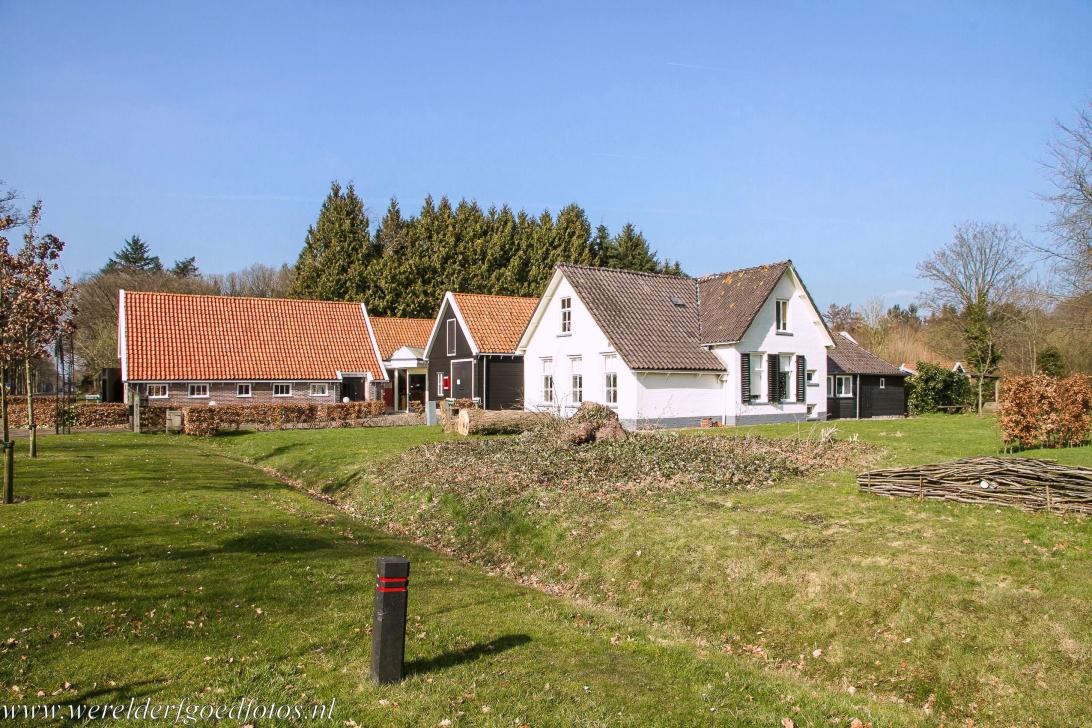
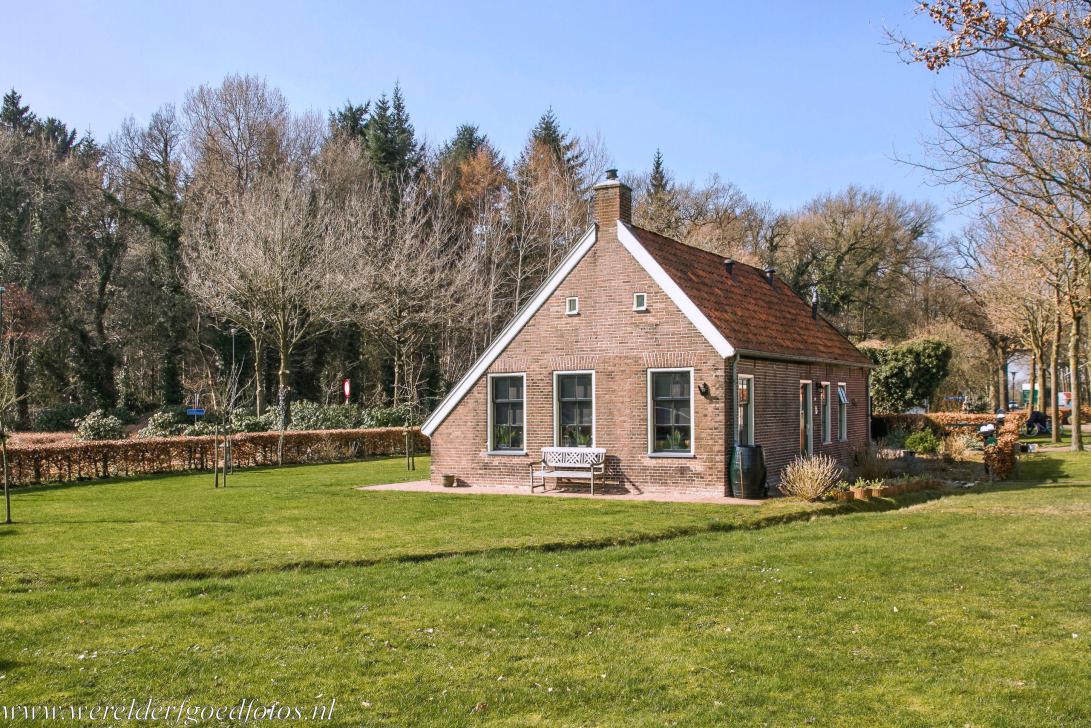
Colonies of Benevolence: The Forestry School was established in 1887 by Major van Swieten in memory of his son Gerard Adriaan van Swieten. The school is situated in the former Colony of Frederiksoord. The school offered agricultural and forestry education, an idealistic effort to break the cycle of poverty through education. The former school is part of the UNESCO World Heritage Site: Colonies of Benevolence.
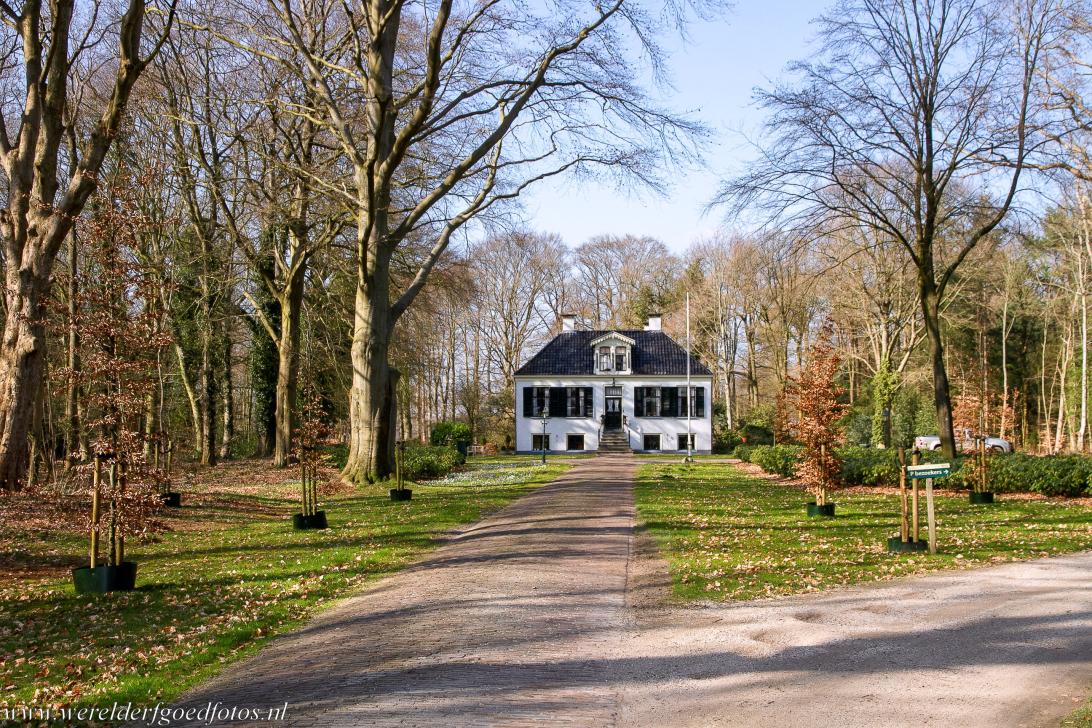
Colonies of Benevolence: Museum De Koloniehof in the former Free Colony Frederiksoord was founded in 1993. In May 2019, the new Museum De Proefkolonie was opened at a new location in the village of Frederiksoord, the museum is dedicated to the work of Johannes van den Bosch, the founder of Colonies of Benevolence, and the Society of Humanitarianism.

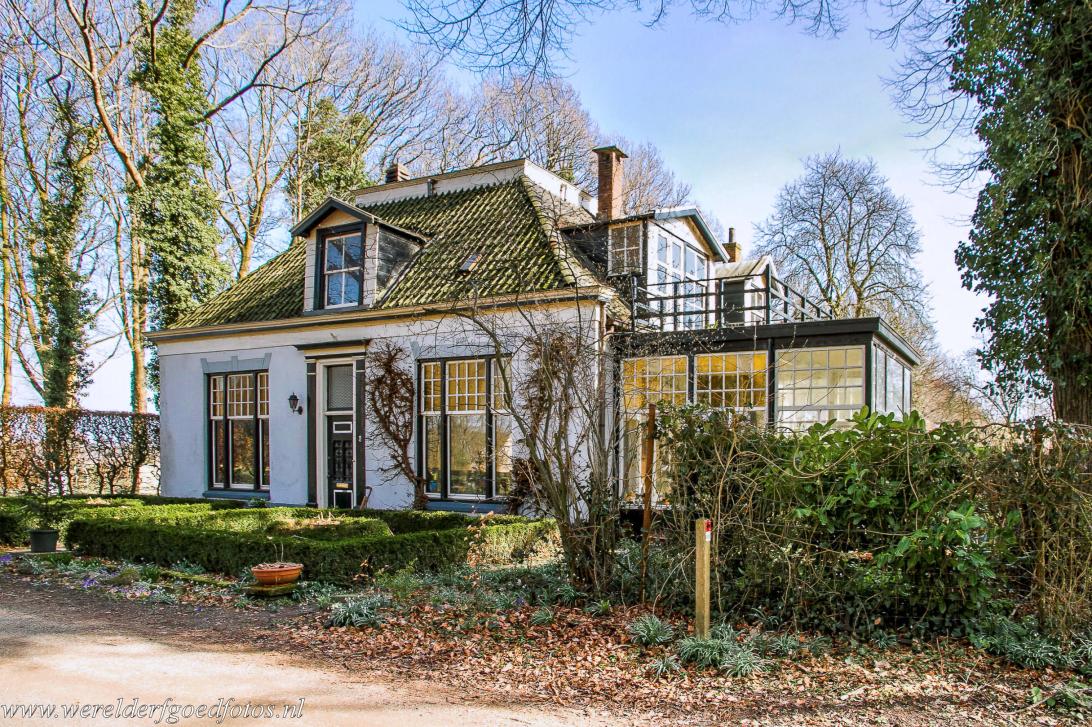
Colonies of Benevolence: The former house of a civil servant in Frederiksoord. From 1820-1829, the house was inhabited by the mother-in-law of Johannes van den Bosch, the founder of the Colonies of Benevolence. Johannes van den Bosch (1780-1844) was a prominent statesman in the Netherlands, he was Governor-General of the Dutch Indies, the commander of the Royal Netherlands East Indies Army, Minister of Colonies and Minister of State.

Colonies of Benevolence: Johannes van den Bosch, the founder of the Colonies of Benevolence, and his familie lived in Westerbeek House. The house was built in the 18th century and became the property of the Society of Benevolence in 1818. After an extensive renovation, Westerbeek House became the headquarters of the Society of Benevolence in 1975. The house is situated in the former Free Colony of Frederiksoord, now the village of Frederiksoord.

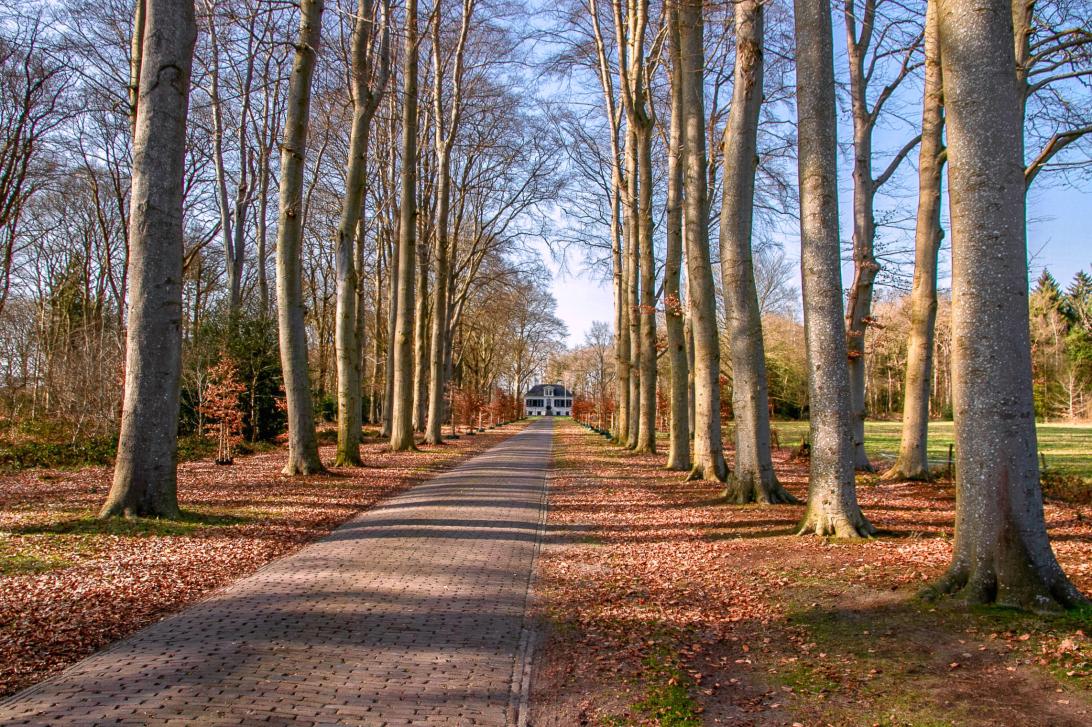
Colonies of Benevolence: The Beech Avenue of Westerbeek House. The characteristic Beech Avenue of Huis Westerbeek. In the 19th century, the Beech Avenue contributed to the stately appearance of Huis Westerbeek. The beech avenue was planted in 1818, when Huis Westerbeek and the associated estate were purchased by the Society of Benevolence.

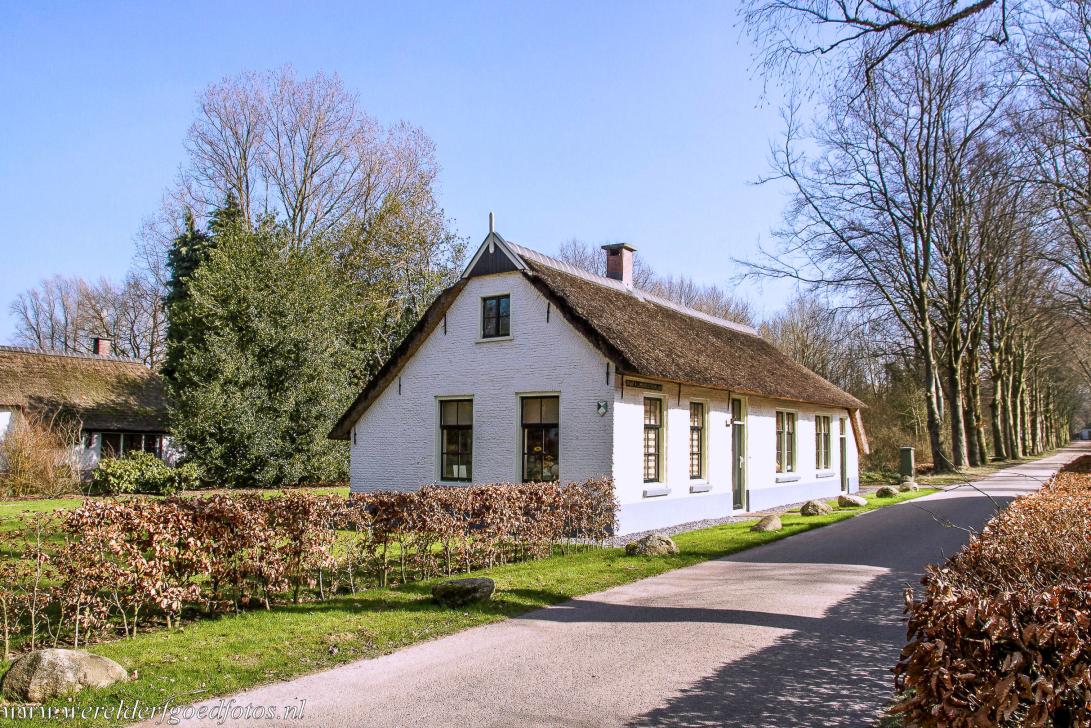
Colonies of Benevolence: A row of small colony houses in Frederiksoord, the oldest Colony of Benevolence. Each house was surrounded by a plot of land to allow the colonists to grow their own fruit and vegetables. Frederiksoord was first named after Huis Westerbeek, but later the name was changed into Frederiksoord.

Colonies of Benevolence: The former food kitchen at Frederiksoord was built in 1818 for the central food supply. Next to the building was a storage facility. When the colonists had their first food harvest, the building became a school and then a dairy. Next to the former food kitchen there is still a water well from the early days of the colony.

Colonies of Benevolence: One of the colony houses at Frederiksoord. The goal of the Society of Benevolence was to offer the poor a better life, to reform them by education and labour and to help them become better citizens, the hope was that colonists would return to their hometown after spending a number of years in the colony.

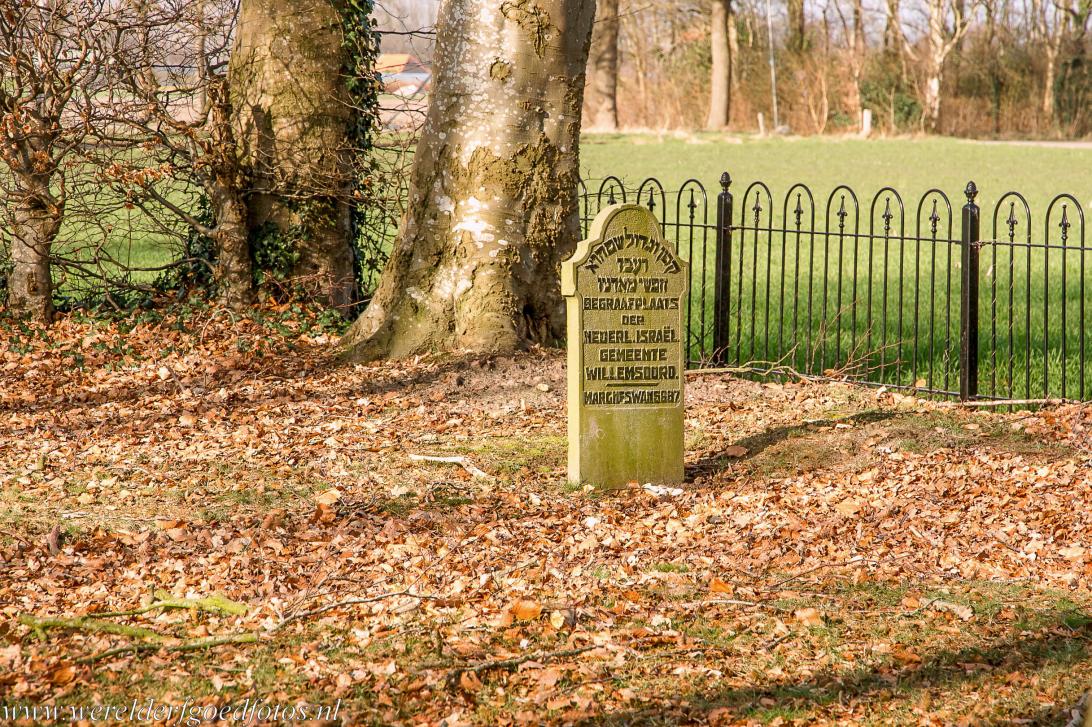
Colonies of Benevolence: The Jewish Cemetery in the hamlet of De Pol near Wiilemsoord. The Jewish colonists formed a vibrant community in Willemsoord, one of the free colonial villages. Between 1838 and 1876, a small synagogue, a Jewish bathhouse (mikvah) and a Jewish school were in use in the village. The Jewish community in Willemsoord was dissolved in 1885.

Colonies of Benevolence: A colony house in Frederiksoord. The village of Frederiksoord was named after Prince Frederik Hendrik of Orange-Naussau, one of the key patrons of the Colonies of Benevolence. Prince Frederik was the youngest son of King William I, who also supported the plan to offer poor families a better life in the Colonies of Benevolence.

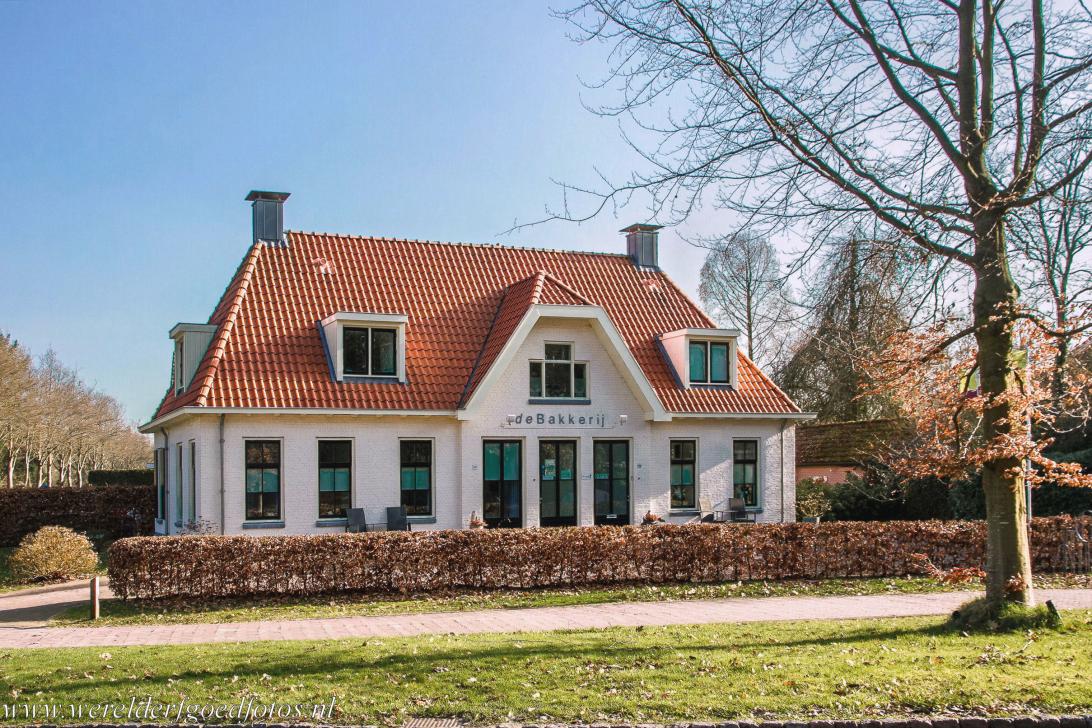
Colonies of Benevolence: The former bakery in the village of Frederiksoord, a former Colony of Benevolence. Bread was centrally baked on a large scale in the bakery. The bread was baked in large brick ovens and distributed to the residents of the colony. Later, the bakery was sold. The bakery is now a Bed and Breakfast.

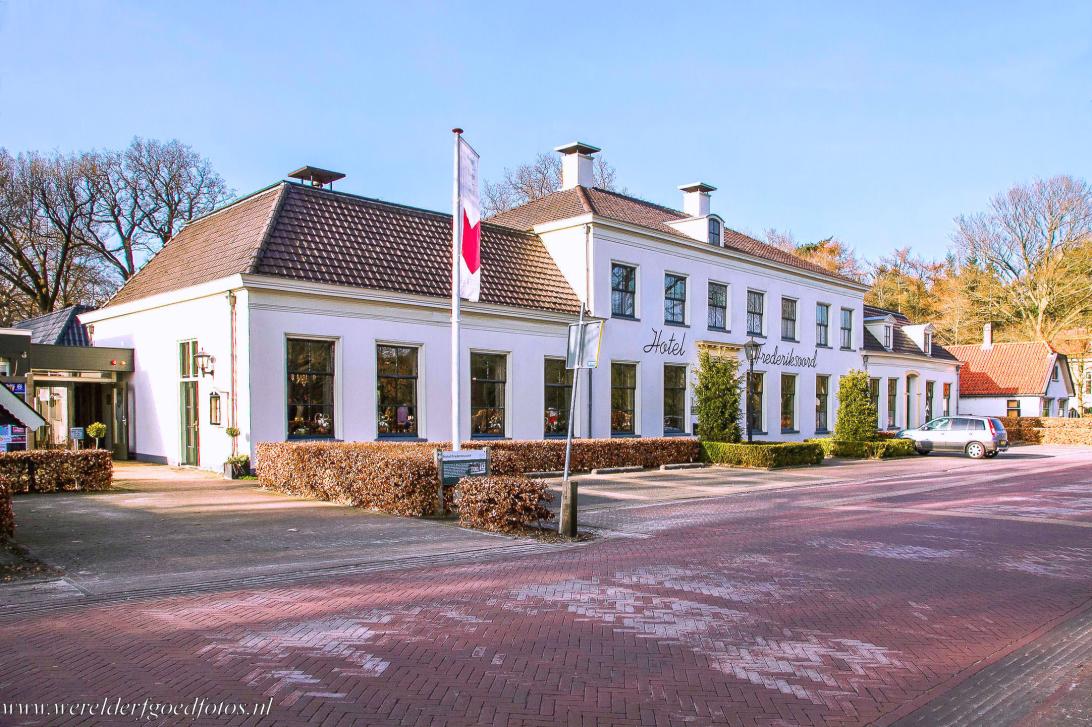
Colonies of Benevolence: Hotel Frederiksoord was built in 1770, long before the guests of the Colonies of Benevolence used it as an overnight stay.

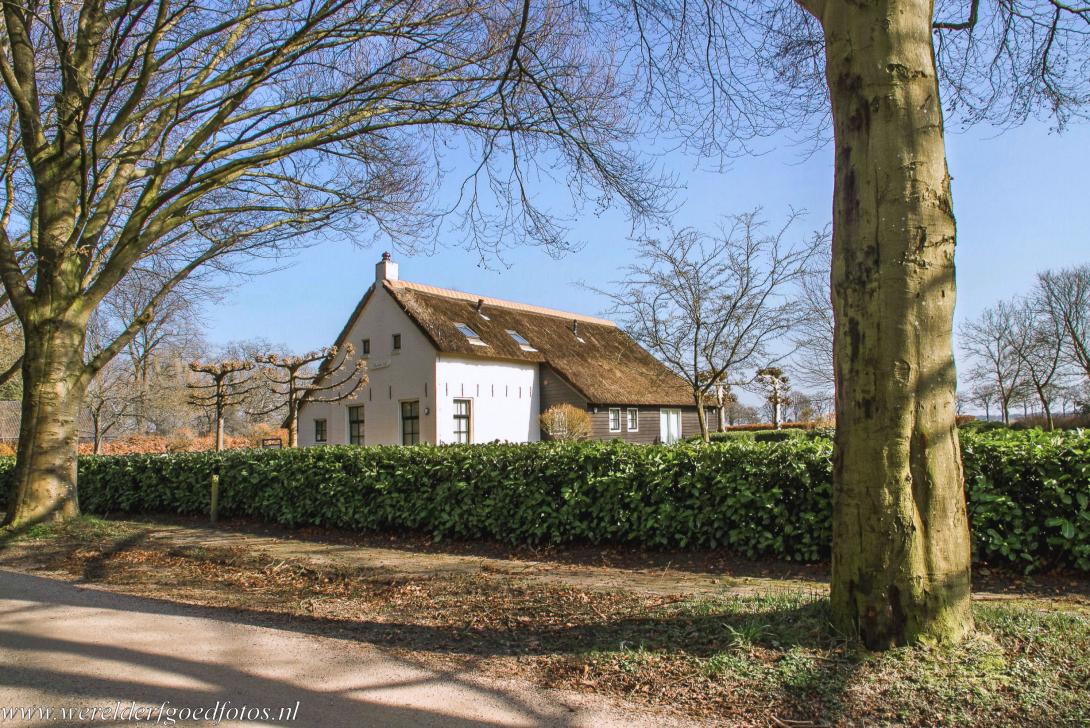
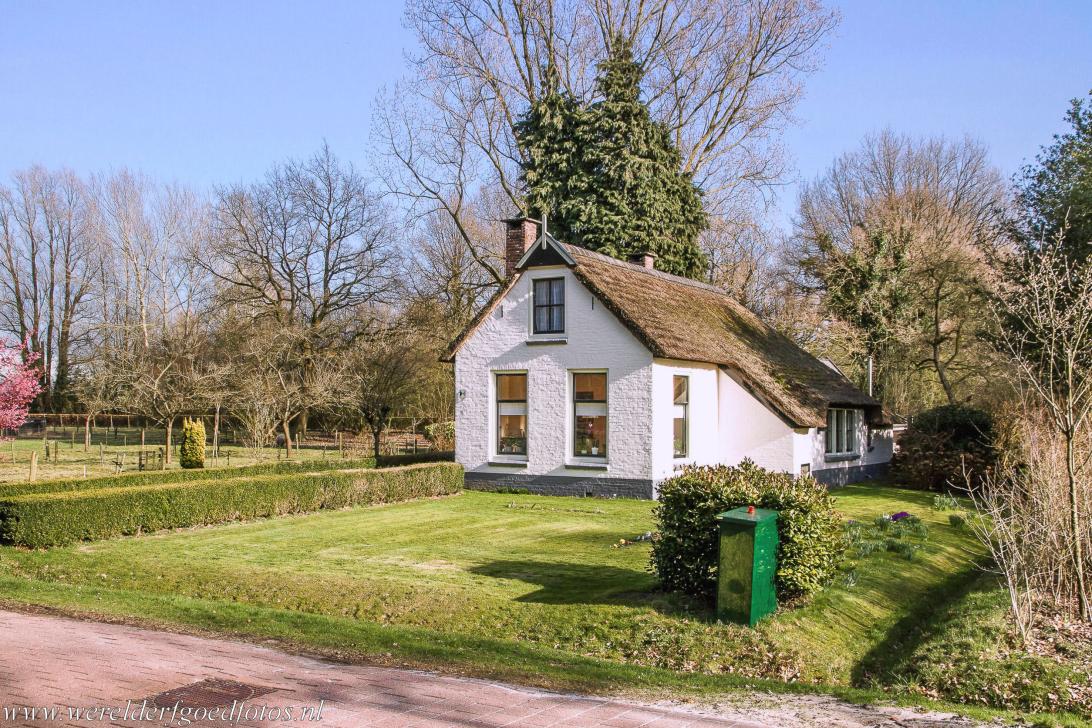
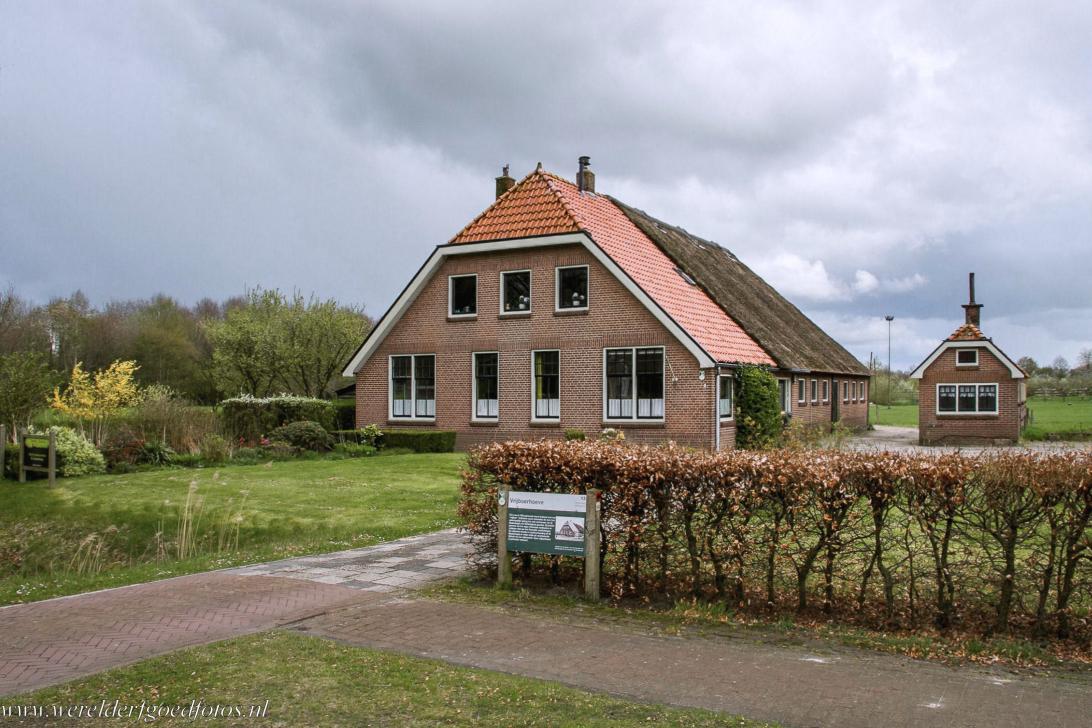
Colonies of Benevolence: The farmhouse of a free farmer and his family, free farmers behaved impeccably, were able to make a living from their own income and meet their obligations. The farmhouse is located in the Dutch village of Frederiksoord. Frederiksoord was the first Colony of Benevolence, founded in 1818 as an experimental colony. The Free Colonies of Benevolence are now normal villages.

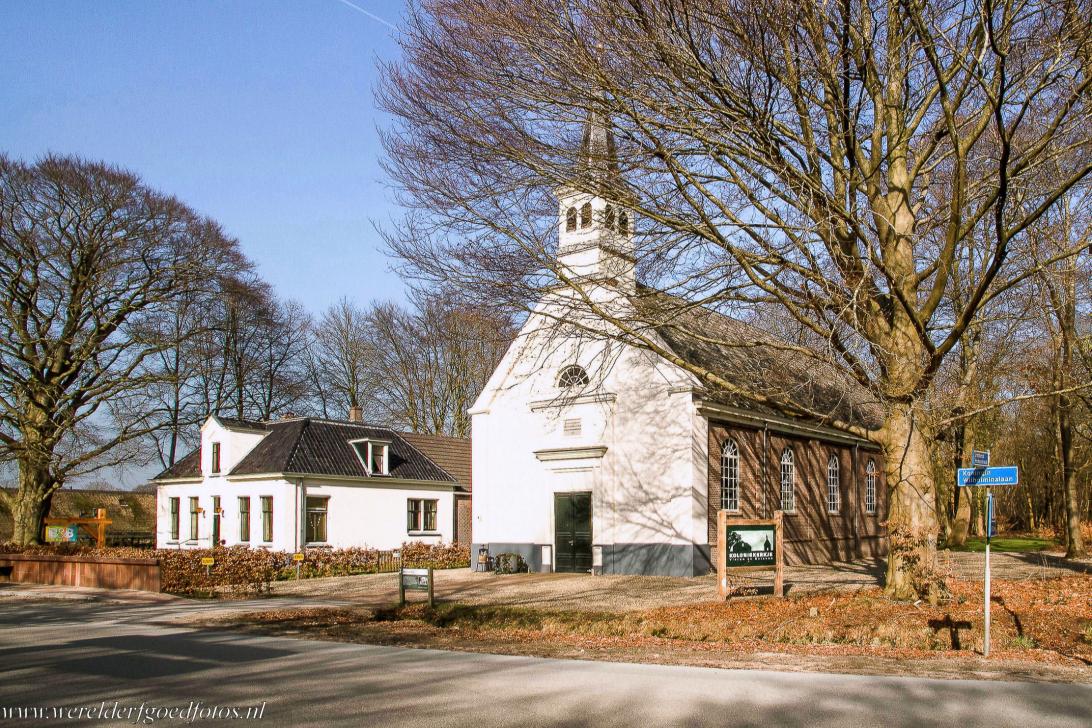
Colonies of Benevolence: The Colony Church of Wilhelminaoord was built in 1851, it is called a Waterstaatskerk (Water Management Church), so named because it was built with the financial support of the Ministry of Water Management of the Netherlands and designed and built under the supervision of the engineers of the Dutch Water Management. There are numerous Water Management Churches in the Netherlands.

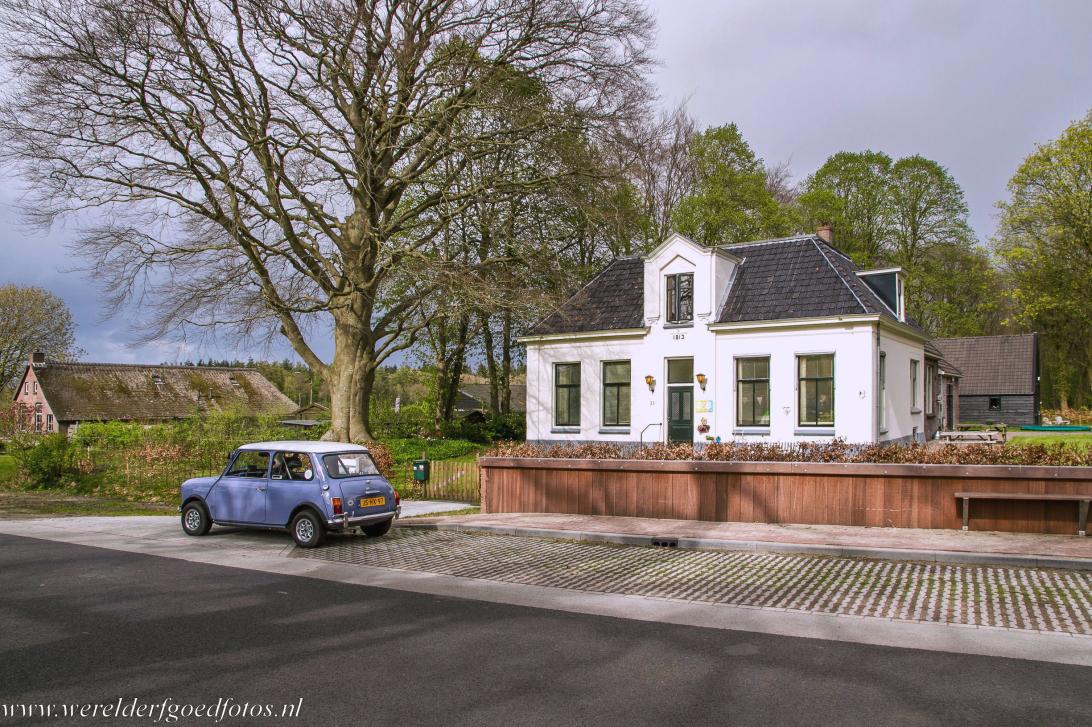
Colonies of Benevolence: The former rectory of Wilhelminaoord is situated next to the Colony Church. The Free Colony of Wilhelminaoord was founded in 1821. To teach the colonists moral values, church attendance was mandatory in the Colonies of Benevolence. Today, the rectory is privately owned. The former rectory and the Colony Church are Dutch National Monuments. In front of the rectory is a classic Mini (Mini Authi) from 1974.