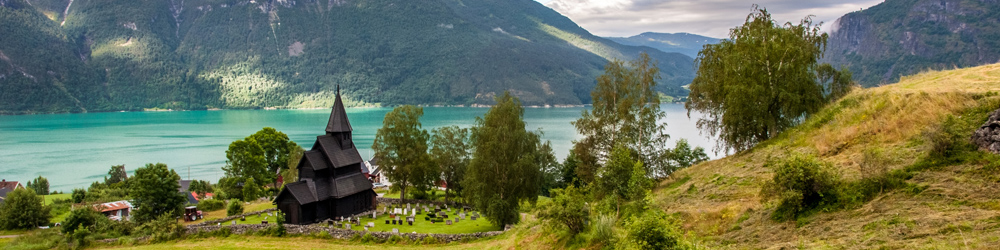
The Loire Valley between Sully-sur-Loire en Chalonnes: This part of the Loire Valley is located in the middle stretch of the Loire in the heart of France. The Loire Valley is often described as the 'Cradle of the French' and 'Garden of France' due to the large number of vineyards, orchards, artichoke and asparagus fields along the banks of the river Loire. The striking landscape of the Loire Valley contains many historic towns and villages, such as Blois, Chinon, Saumur, Tours and Orleans, the City of Joan of Arc. The Loire Valley is renowned for its great architectural buildings and its magnificent châteaux. The Loire Valley was loved by the French Kings and noblemen, they competed to build ever more the most elaborate and luxurious castles. That is one of the reasons that the Loire Valley is often called the 'Cradle of the French Renaissance'. The Loire Valley was once of immense strategic importance, many battles were fought in the Loire Valley between England and France. In 2000, the Loire Valley between Sully-sur-Loire ( about 50 km southeast of Orleans) and Chalonnes-sur-Loire (about 80 km east of Nantes) has been awarded the UNESCO World Heritage status.
www.werelderfgoedfotos.nl © Copyright World Heritage Photos
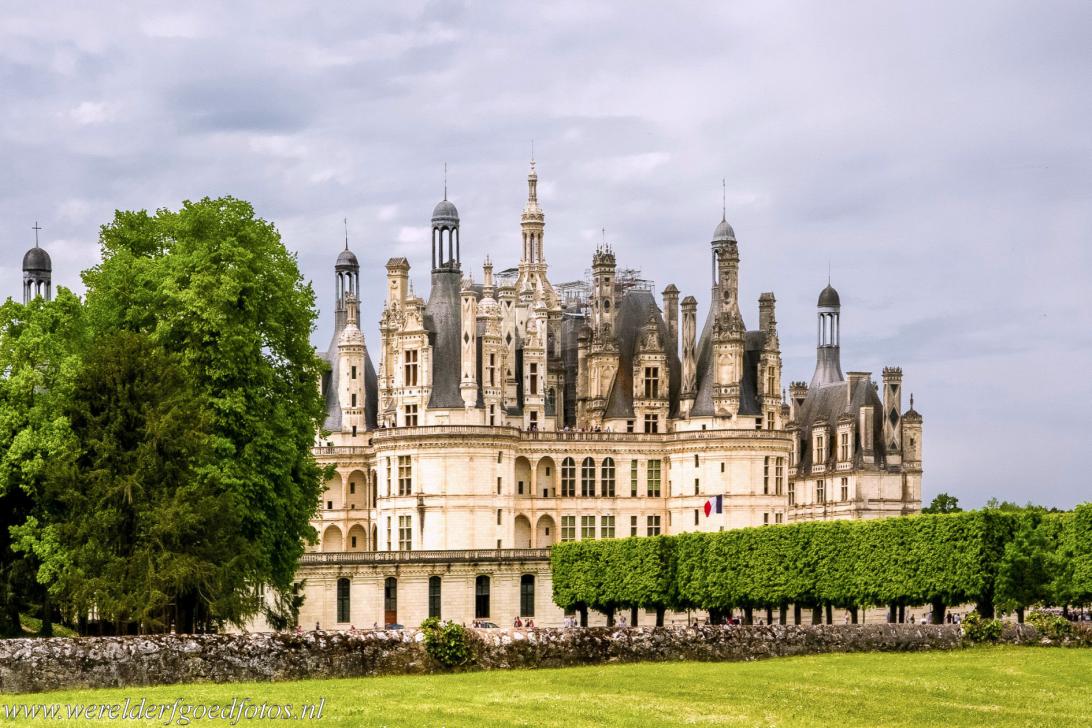
The Loire Valley between Sully-sur-Loire and Chalonnes: Château de Chambord is the largest castle in the Loire Valley. It is known for its characteristic French Renaissance architecture. The castle was built as a hunting lodge for the French King Francis I in 1519-1547. Leonardo da Vinci visited the castle during its construction and added a few adornments. Château de Chambord became a UNESCO World Heritage in 1981. Since 2000, it has been a part of the UNESCO World Heritage Site: The Loire Valley between Sully-sur-Loire en Chalonnes.
The Loire Valley between Sully-sur-Loire and Chalonnes: Château de Chambord is the largest castle in the Loire Valley. It is known for its characteristic French Renaissance architecture. The castle was built as a hunting lodge for the French King Francis I in 1519-1547. Leonardo da Vinci visited the castle during its construction and added a few adornments. Château de Chambord became a UNESCO World Heritage in 1981. Since 2000, it has been a part of the UNESCO World Heritage Site: The Loire Valley between Sully-sur-Loire en Chalonnes.
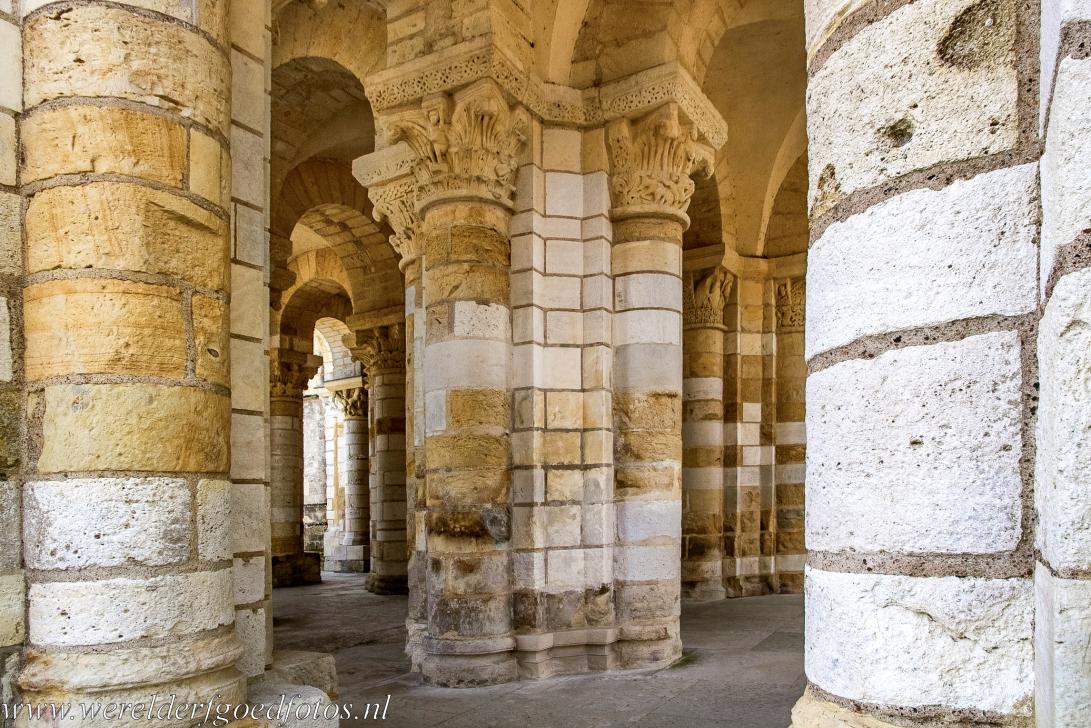
The Loire Valley between Sully-sur-Loire and Chalonnes: The main entrance of Fleury Abbey. The columned entrance, with its sculpted capitals, is a masterpiece of the Romanesque architecture. Fleury Abbey is located in Saint-Benoît-sur-Loire. The Benedictine abbey was founded around 640. The church is all that remains of the original complex. The church of Fleury Abbey was built on a mound to protect it against flooding from the Loire.

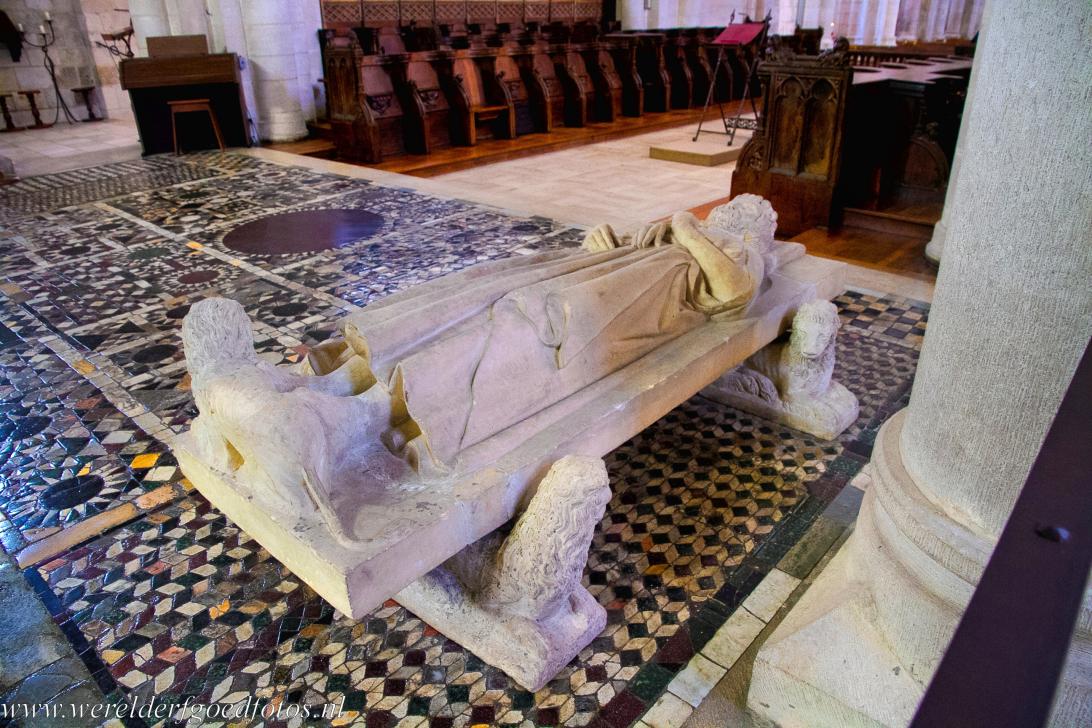
The Loire Valley between Sully-sur-Loire and Chalonnes: The sculpted tomb of King Philip I of France. The king was buried in the Fleury Abbey Church in 1108, according to his wish. Fleury Abbey also houses the relics of St. Benedict of Nursia, who is the main patron saint of Europe. The pilgrimage to his shrine became popular, and as a result, Fleury Abbey grew to become one of the most influential abbeys in France. Fleury Abbey is situated on the banks of the Loire.

The Loire Valley between Sully-sur-Loire and Chalonnes: The Gothic Sainte-Croix Cathedral of Orléans is probably most famous for its association with Joan of Arc. She attended Mass on 2 May 1429, after she successfully led the French forces to break the English Siege of Orléans. The coloured stained-glass windows of the cathedral depict the story of Joan of Arc, the 'Maid of Orléans'. Close to the cathedral stands a statue of Joan of Arc on horseback.

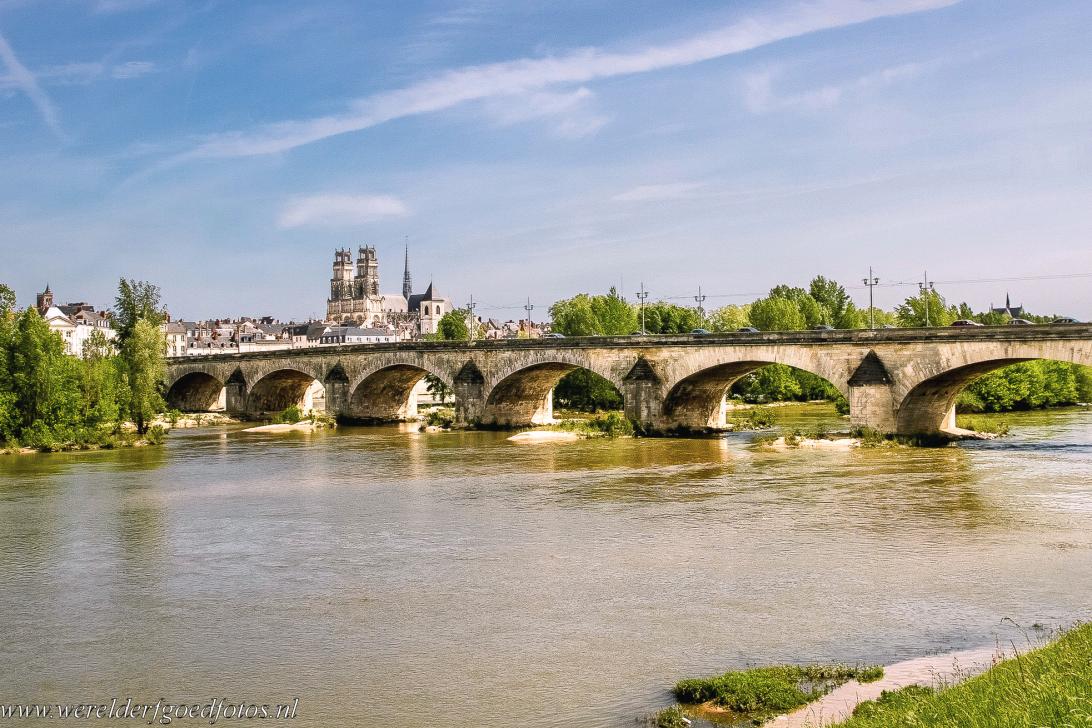
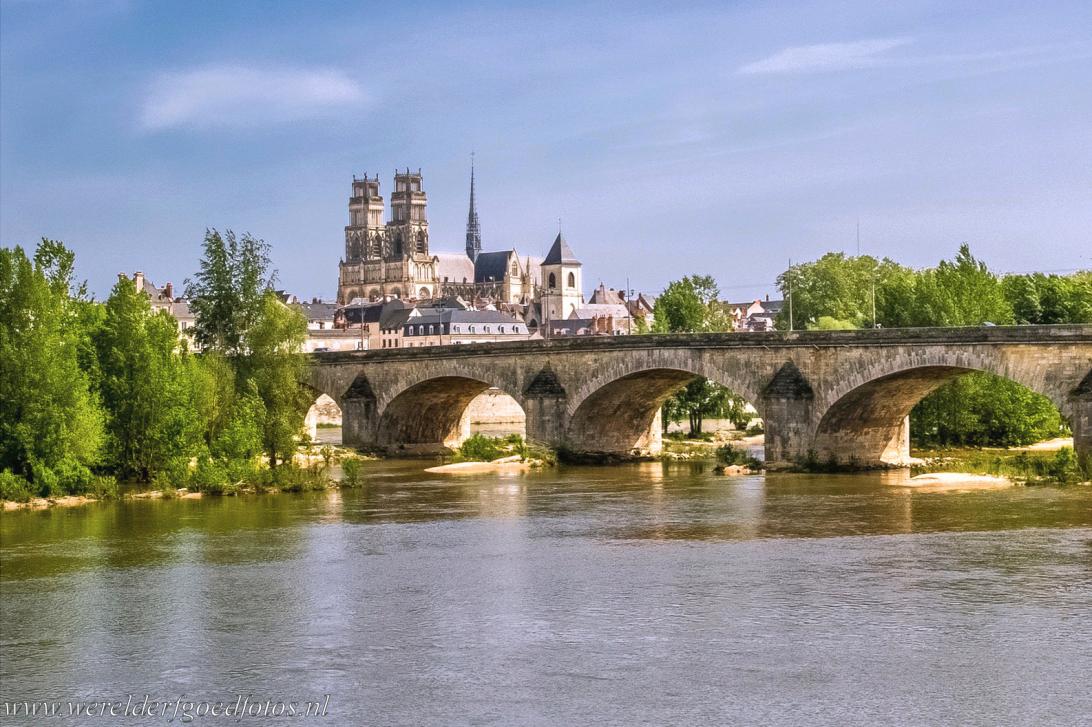
The Loire Valley between Sully-sur-Loire and Chalonnes: The George V Bridge is a stone arch bridge over the Loire in Orléans. Behind the bridge stands the Cathedral of Orléans. The bridge is 325 metres long and was built between 1751 and 1760. The Loire River divides the city into two parts: a small quarter lies on the southern bank, while the main part lies on the northern bank of the river. Orléans is also known as the 'City of Joan of Arc'.

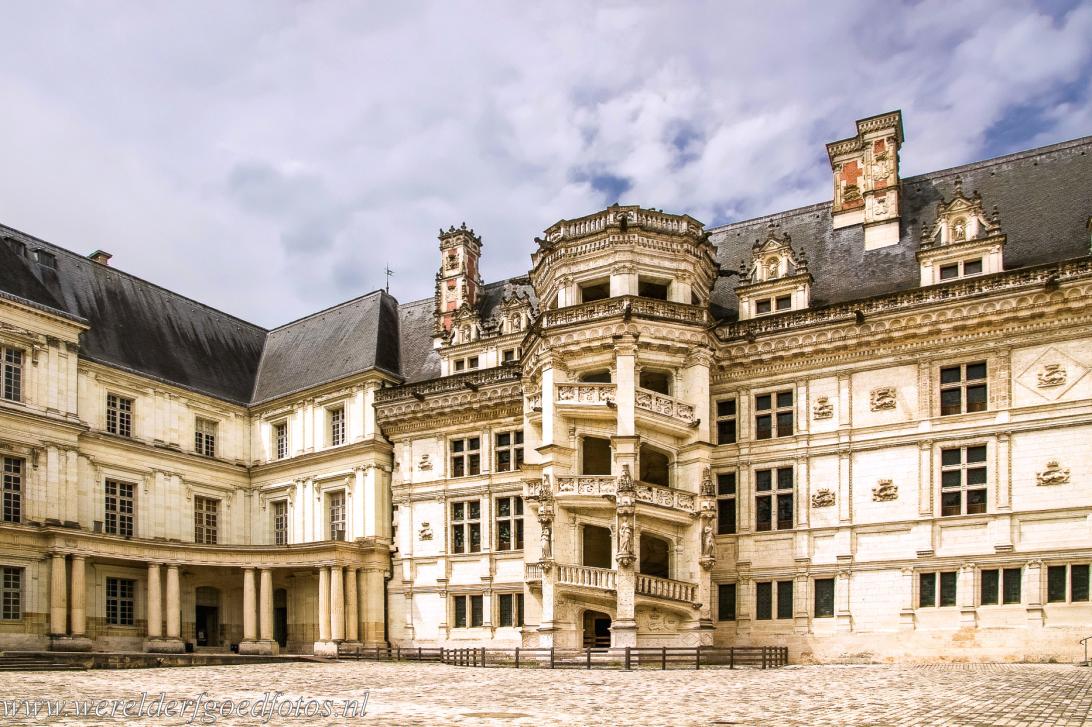
The Loire Valley between Sully-sur-Loire and Chalonnes: Château Royal de Blois, the Royal Castle of Blois, is located in the historic centre of the town of Blois. The most renowned feature of the castle is the Spiral Staircase in the King Francis I wing. Château Royal de Blois was the residence of several kings of France. The Loire Valley between Sully-sur-Loire and Chalonnes was inscribed on the UNESCO World Heritage List in 2000.

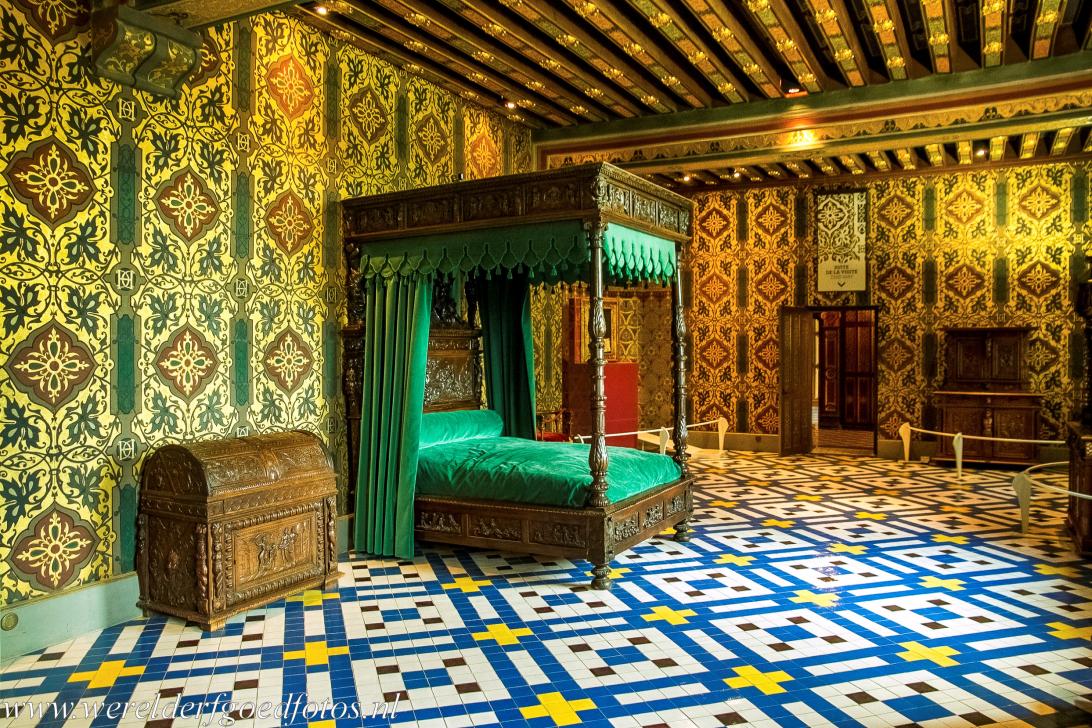
The Loire Valley between Sully-sur-Loire and Chalonnes: The Queen's Chamber at the Château Royal of Blois. Catherine de' Medici died in this room in 1589. Behind the room lies her studiolo. The wood paneling of this small room conceals numerous secret cabinets. They are believed to have been Catherine de' Medici's secret hiding place for poisons. But most certainly, they had a normal purpose and were probably used to hide jewelry, precious objects, and state papers.

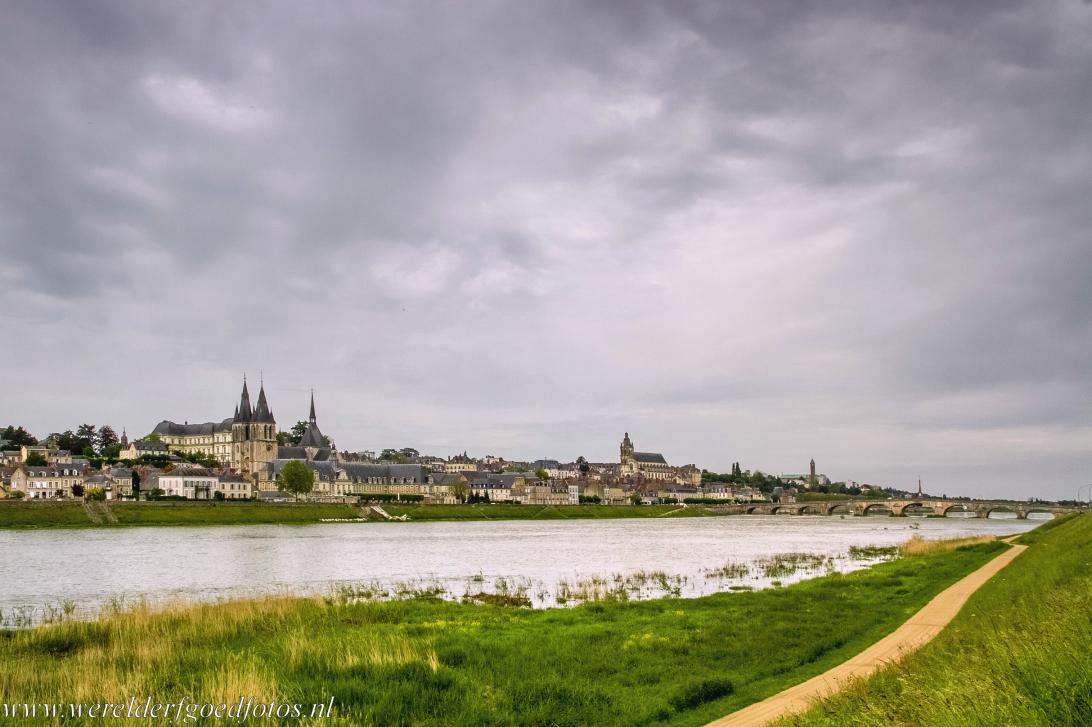
The Loire Valley between Sully-sur-Loire and Chalonnes: A 12th century stone bridge spans the Loire near the Royal City of Blois. Blois is built on hills; steep stairways and winding alleys run through the town. In 1429, Joan of Arc came here to make Blois her base of operations for the liberation of Orléans, which was besieged by English forces. The Castle of Blois is situated in the centre of Blois. It was once the residence of French monarchs.

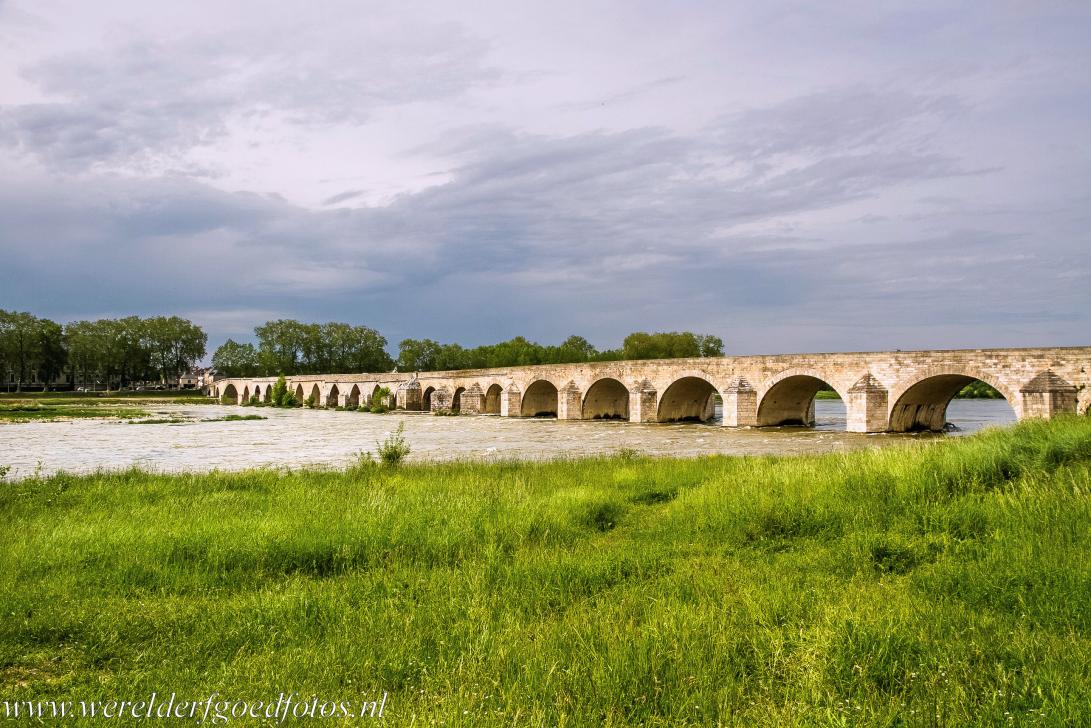
Loire Valley: The 460-metres long stone bridge at Beaugency is probably the oldest bridge over the Loire. The 12th-century bridge has 26 arches. For a long time, the bridge was one of only two bridges spanning the Loire between Orléans and Blois. The legend says that the bridge was built by the devil; as a payment he asked the first soul that would cross the bridge. The clever villagers fooled him by sending a cat across the bridge. Ever since, the inhabitants of Beaugency have been nicknamed 'les chats', the cats. The bridge is still in use.

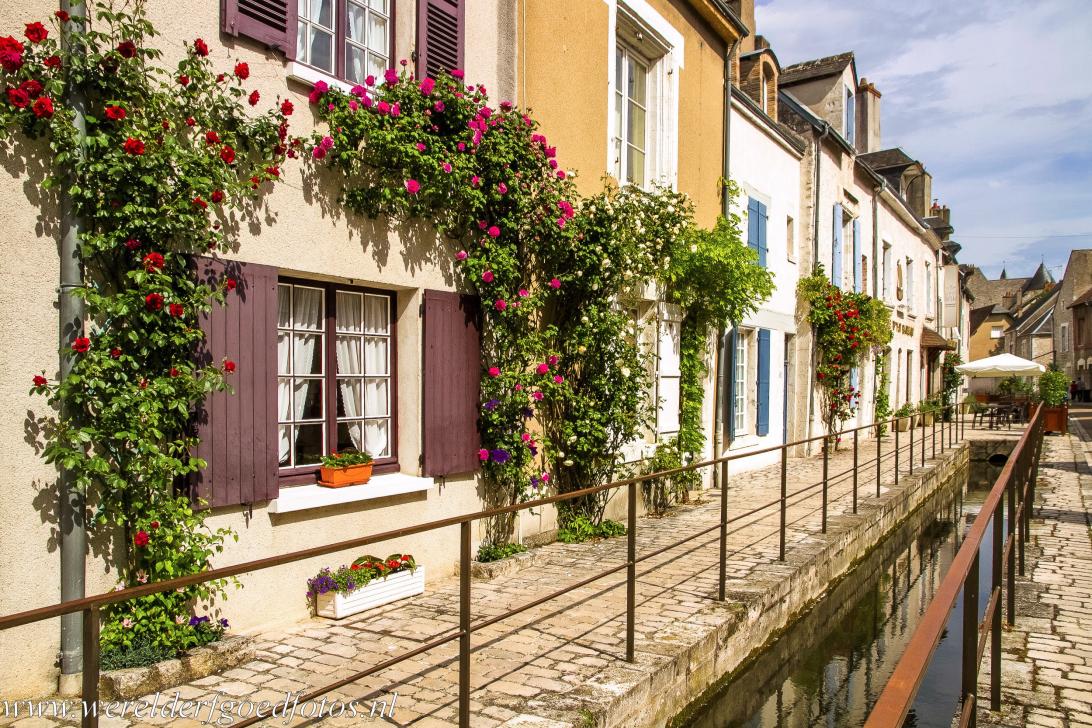
The Loire Valley between Sully-sur-Loire and Chalonnes: Beaugency is a quiet little town on the banks of the Loire. The streets are paved with cobblestones. The historic buildings reflect the colourful history of Beaugency. Beaugency was occupied by the English several times. On 16 and 17 June 1429, it was the location of the famous Battle of Beaugency, a battle led by Joan of Arc. In the centre of Beaugency at Place Saint-Firmin, near the Tour Saint-Firmin, stands a statue of Joan of Arc, commemorating the major role she played in the battles of the Hundred Years' War.

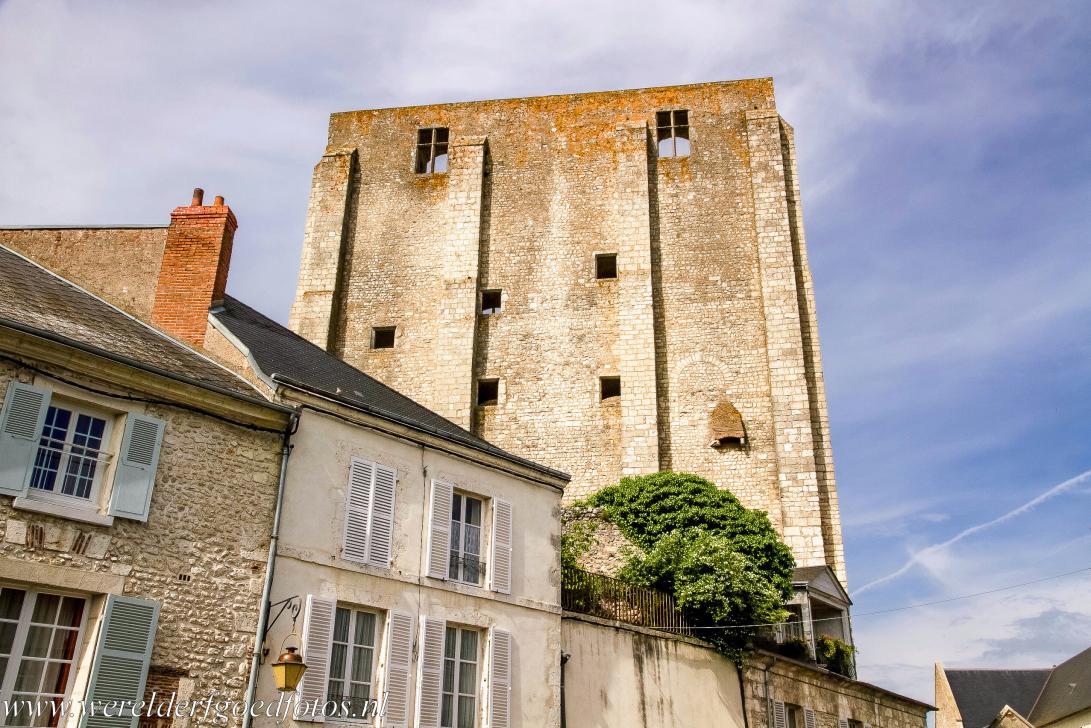
The Loire Valley between Sully-sur-Loire and Chalonnes: The Caesar Tower in Beaugency is one of the oldest examples of Romanesque military architecture. The large 11th-century tower was used in the defence of Beaugency and its bridge over the Loire. In the 16th century, the square tower was integrated in a new castle. It is now the only remaining part of that castle after it was largely destroyed during the Wars of Religion. Following a fire in 1840, the internal vaults of the Caesar Tower collapsed, leaving only the outer walls preserved.

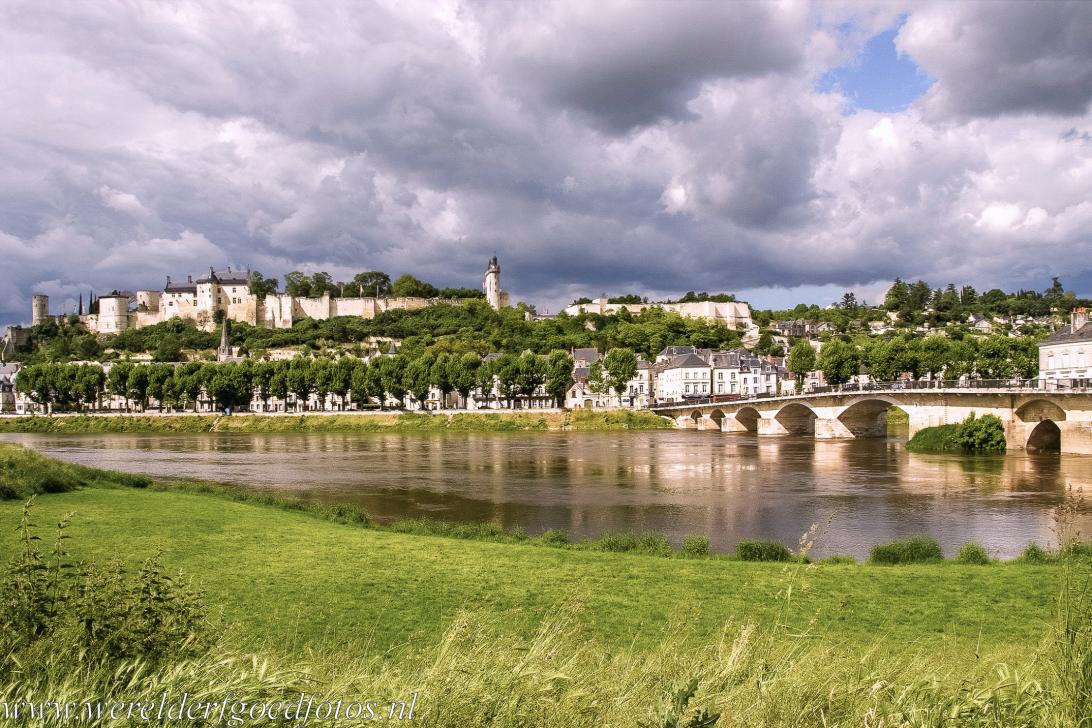
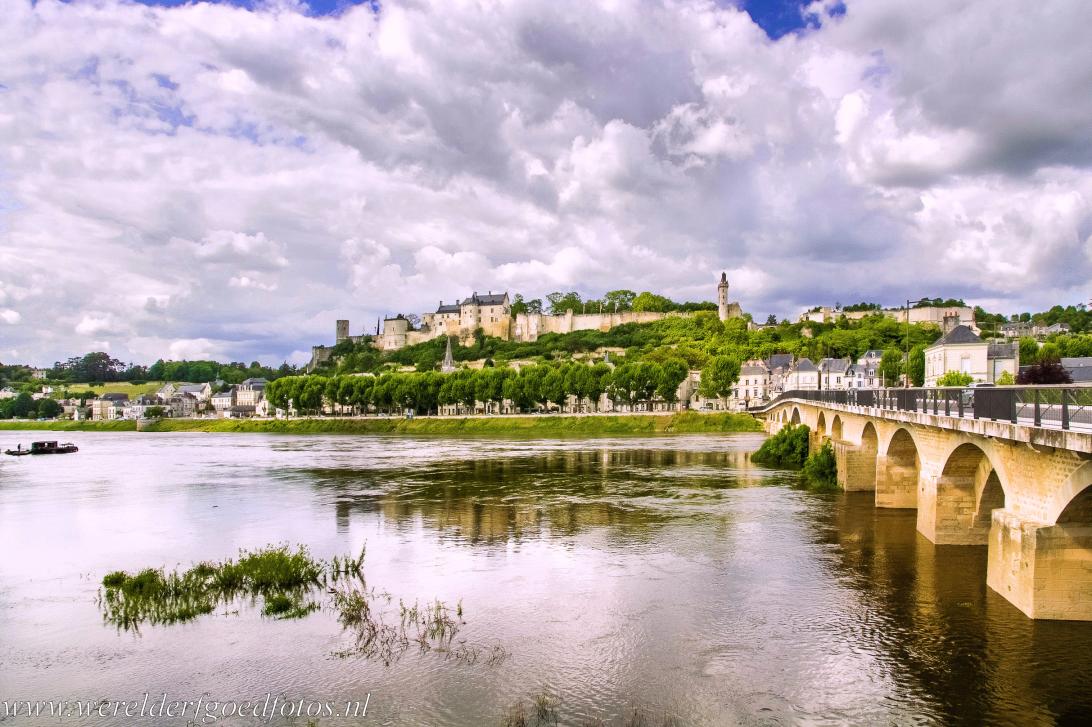
The Loire Valley between Sully-sur-Loire and Chalonnes includes Château de Chinon on the river Vienne. On Friday, 13 October 1307, the Knights Templar were accused of heresy by King Philip IV of France; the leading members of the Knights Templar were subsequently imprisoned in Château de Chinon during the summer of 1308. Between 1427 and 1450, Château de Chinon served as the Royal Residence of King Charles VII of France. The first meeting between Joan of Arc and King Charles took place at the castle in 1429.

Loire Valley between Sully-sur-Loire and Chalonnes: The Château de Chinon is located on the banks of the Vienne about 10 km from where the river joins the Loire. The Vienne is one of the most important tributaries of the river Loire. The more than three hundred monuments and castles of the Loire Valley illustrate the ideals of the Renaissance and Age of Enlightenment in Western Europe. The Loire Valley is often called the 'Cradle of the French Renaissance'.

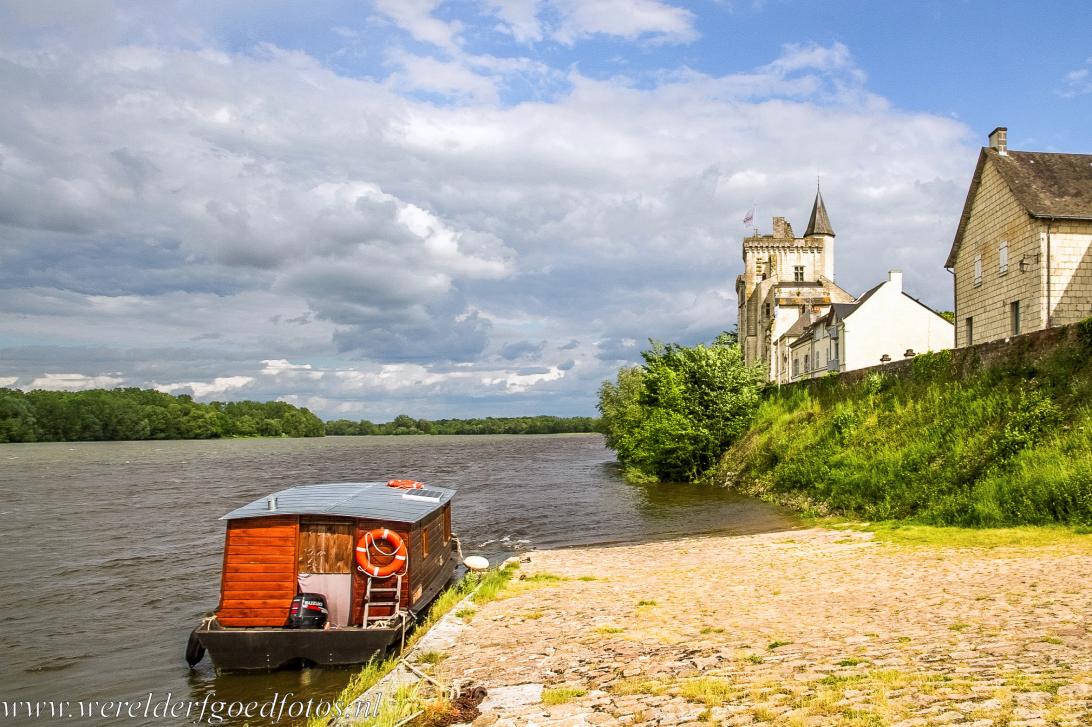
The Loire Valley between Sully-sur-Loire and Chalonnes: A traditional river boat on the Loire next to the Château de Montsoreau. This historic castle occupies a strategic position at the confluence of the rivers Vienne and Loire. This celebrated site has been immortalized by the famous French writer Alexandre Dumas in his historic novel 'La Dame de Montsoreau'. The Loire Valley between Sully-sur-Loire and Chalonnes became a UNESCO World Heritage Site in 2000.

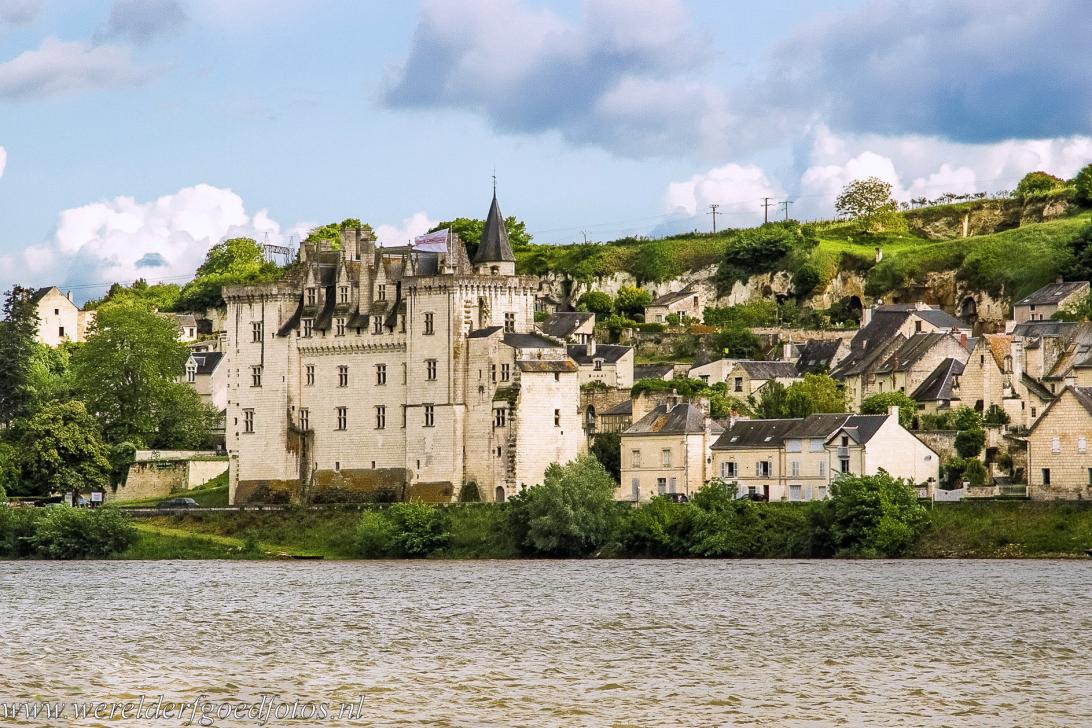
The Loire Valley between Sully-sur-Loire and Chalonnes: The Château de Montsoreau is the only castle in the Loire Valley to have been built directly in the riverbed of the Loire. A settlement was built on the banks of the Loire in the 6th century and rebuilt into a fortified castle in 990. The castle was rebuilt into a Renaissance castle between 1450 and 1460. It is widely recognised for being the first Renaissance building in France. Nowadays, the imposing Château de Montsoreau houses a contemporary art collection.

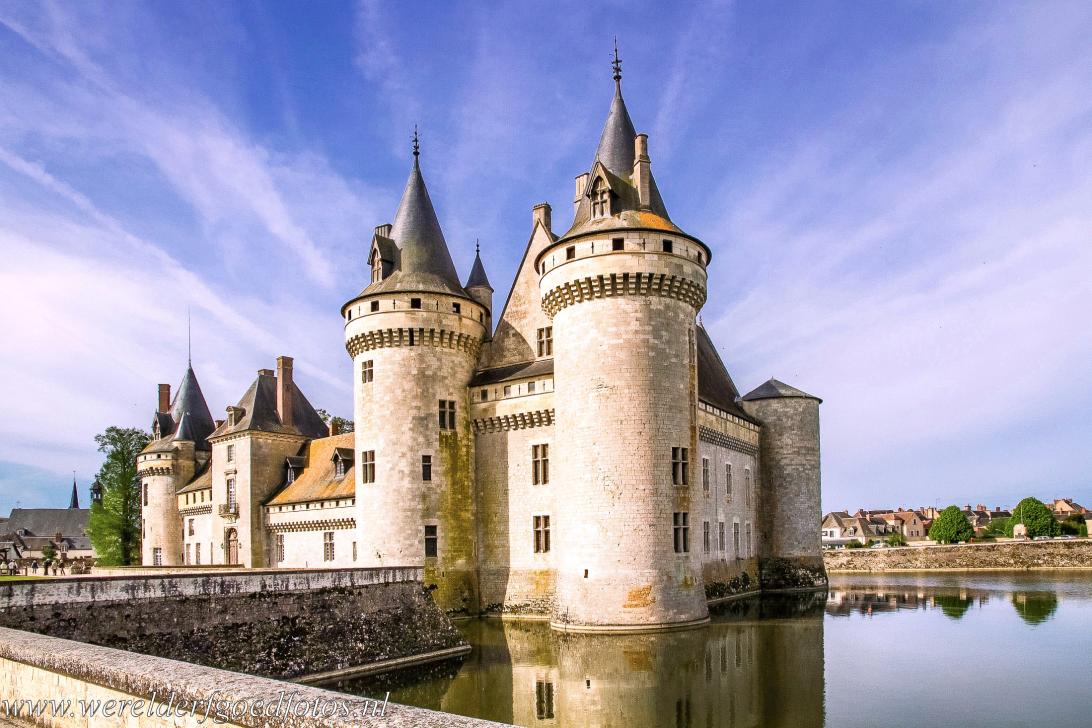
The Loire Valley between Sully-sur-Loire and Chalonnes: Château de Sully-sur-Loire. The Loire Valley is a wonderful landscape of vineyards, orchards, artichoke and asparagus fields along the banks of the Loire River. The valley is famous for its charming villages, parks and gardens, but it is most famous for its fine castles located in a glorious setting beside the river. The Loire Valley is located in the heart of France.