World Heritage Photos

Rhaetian Railway, the Albula and Bernina Lines

The Rhaetian Railway – Connecting Countries Across the High Alps

The Rhaetian Railway is regarded as one of the most spectacular railway lines in the world. This Swiss mountain network brings together two historic lines in the Alps, the Albula Railway and the Bernina Railway, the latter of which connects Switzerland to Italy.

The construction of the Albula Railway started in 1898. In 1903, after five years of construction, the line between Thusis and St. Moritz was opened. The 67-km-long line is a masterpiece of railway engineering and passes over 55 bridges, through 39 tunnels and climbs over 1,000 metres in altitude. Together with the Bernina Railway, the Albula Railway, is one of the most remarkable ways to cross the Alps.

The Bernina Railway connects St. Moritz in Switzerland with Tirano in Italy via the Bernina Pass, and links the two lines towards Chur, Davos The 61-km-long line was opened in several sections, it was fully completed in 1910, when the most challenging section between Bernina Suot and Poschiavo was finished. On its route, it passes the Morteratsch glacier and climbs across one of the highest railway passes in Europe, the 2,253-metre-high Bernina Pass. The railway then winds down via Poschiavo and the spiral viaduct near Brusio to its terminus in Tirano.

The Albula and Bernina lines were crucial in overcoming the isolation of the numerous villages in the Swiss High Alps in the early 20th century. The Rhaetian Railway in the Albula / Bernina Landscapes gained status as a UNESCO World Heritage Site in 2008. Another Alpine railway on the UNESCO World Heritage List is the Semmering Railway in Austria.

More photos of the Albula and Bernina lines through the Alps can be found on this page.

www.werelderfgoedfotos.nl   © Copyright   World Heritage Photos
➔
➔
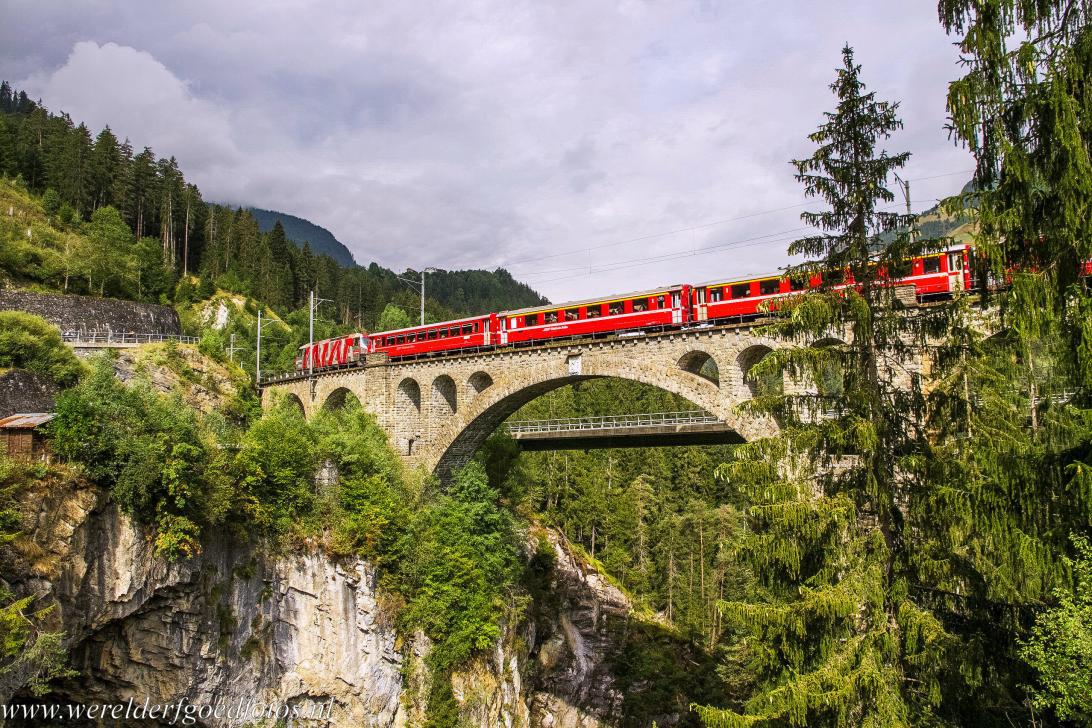
Rhaetian Railway, the Albula and Bernina Lines - The Solis Viaduct was built in 1902 over the River Albula, near the Swiss mountain village of Solis. The stone arch viaduct stands 89 metres high...

The Solis Viaduct was built in 1902 over the River Albula, near the Swiss mountain village of Solis. The stone arch viaduct stands 89 metres high and spans 164 metres in length. It is located on the Albula Line between the villages of Thusis and Tiefencastel. This railway line is part of the Rhaetian Railway, a network of historic railways in the Alps. Together with the Bernina Line, the Albula Line forms part of a transnational UNESCO World Heritage Site: the Rhaetian Railway in the Albula/Bernina Landscapes.
  1. Rhaetian Railway, the Albula and Bernina Lines - The Solis Viaduct was built in 1902 over the River Albula, near the Swiss mountain village of Solis. The stone arch viaduct stands 89 metres high...

    The Solis Viaduct was built in 1902 over the River Albula, near the Swiss mountain village of Solis. The stone arch viaduct stands 89 metres high and spans 164 metres in length. It is located on the Albula Line between the villages of Thusis and Tiefencastel. This railway line is part of the Rhaetian Railway, a network of historic railways in the Alps. Together with the Bernina Line, the Albula Line forms part of a transnational UNESCO World Heritage Site: the Rhaetian Railway in the Albula/Bernina Landscapes.
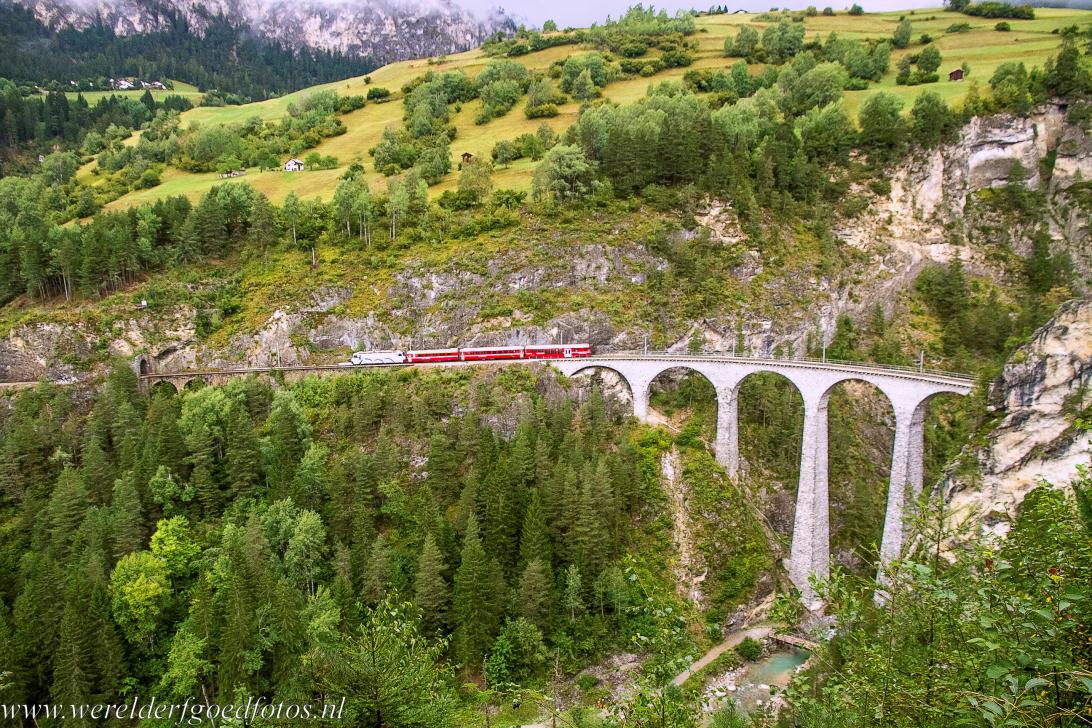
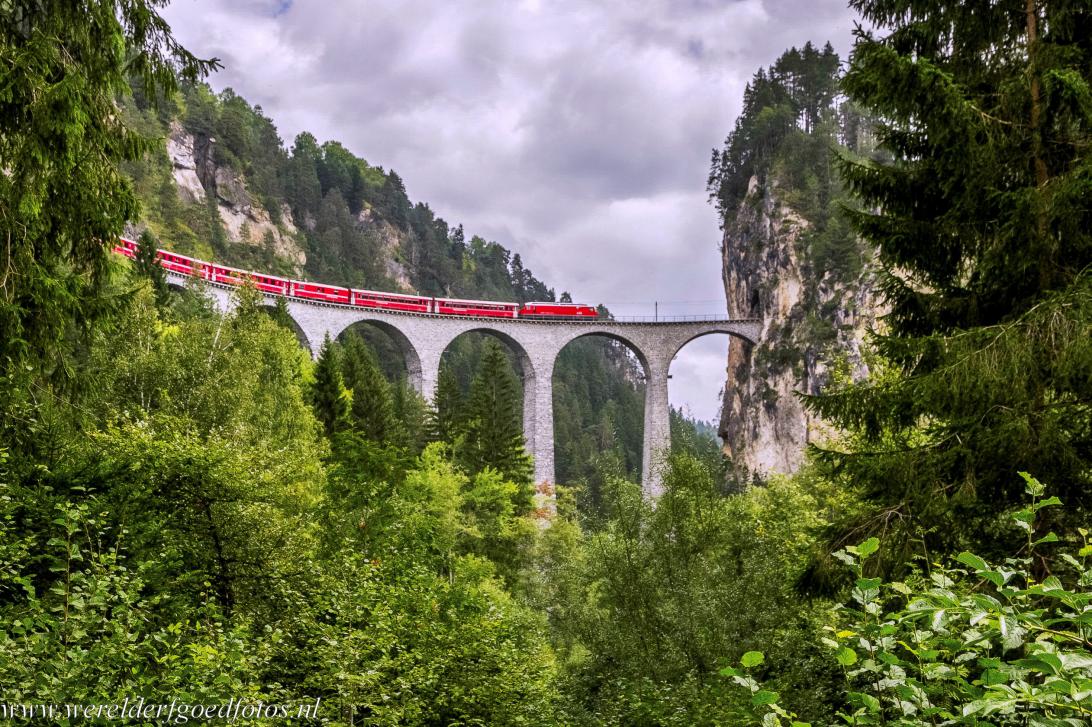
  2. Rhaetian Railway, the Albula and Bernina Lines - A red train on the Landwasser Viaduct near Filisur. This 65-metre-high viaduct is one of the most important and iconic structures on the Albula...

    A red train on the Landwasser Viaduct near Filisur. This 65-metre-high viaduct is one of the most important and iconic structures on the Albula Line, which forms part of the Rhaetian Railway. Crossing the gently curved viaduct, the Glacier Express train appears to vanish straight into the rock face as it enters the 216-metre-long Landwasser Tunnel, which follows immediately after the viaduct.

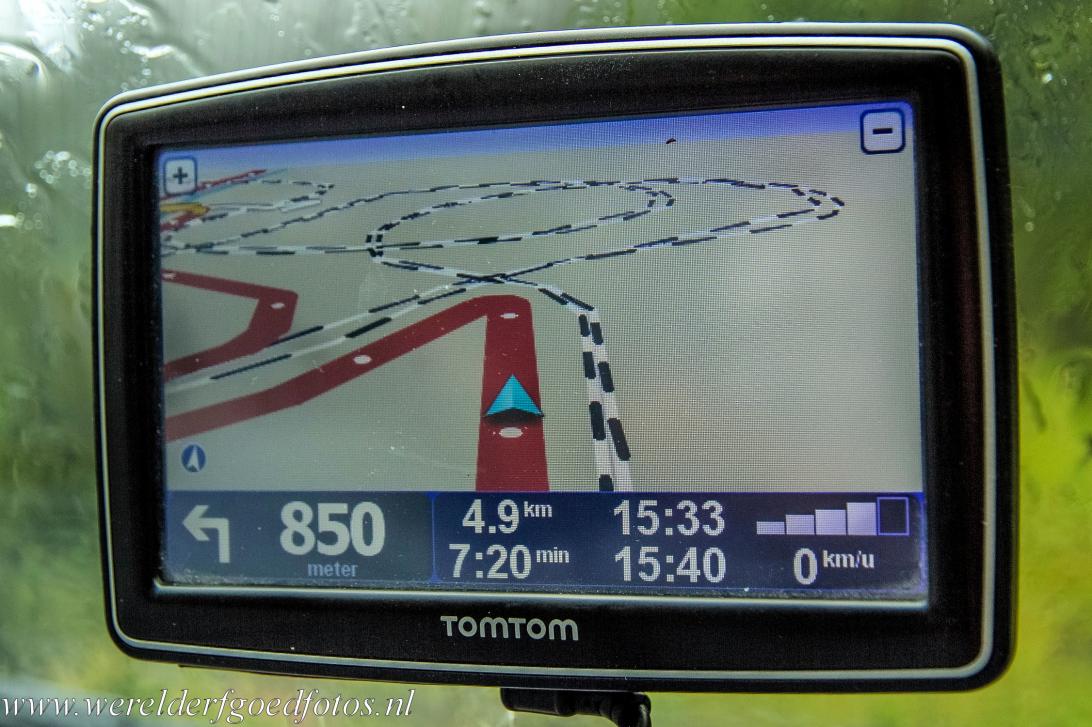
  3. Rhaetian Railway, the Albula and Bernina Lines - At the Albula Pass, the Albula Railway crosses four high viaducts and passes through several spiral tunnels, allowing the trains to gain altitude....

    At the Albula Pass, the Albula Railway crosses four high viaducts and passes through several spiral tunnels, allowing the trains to gain altitude. This feature is clearly visible on the navigation system. The road across this 2,315-metre-high Alpine pass is often closed in winter due to heavy snowfall, yet the Rhaetian Railway’s trains continue to operate year-round across the railway pass, which lies at an altitude of roughly 1,820 metres.

  4. Rhaetian Railway, the Albula and Bernina Lines - The famous Glacier Express is crossing the Schmittentobel Viaduct near Filisur. The viaduct has a height of 35 metres and a length of 137...

    The famous Glacier Express is crossing the Schmittentobel Viaduct near Filisur. The viaduct has a height of 35 metres and a length of 137 metres, featuring sturdy stone arches that each span 15 metres. It is situated on the Albula Line between the villages of Tiefencastel and Filisur. The Rhaetian Railway is known for its red trains, which is why the railway company was given the nickname 'Die Kleine Rote' (The Little Red One). 

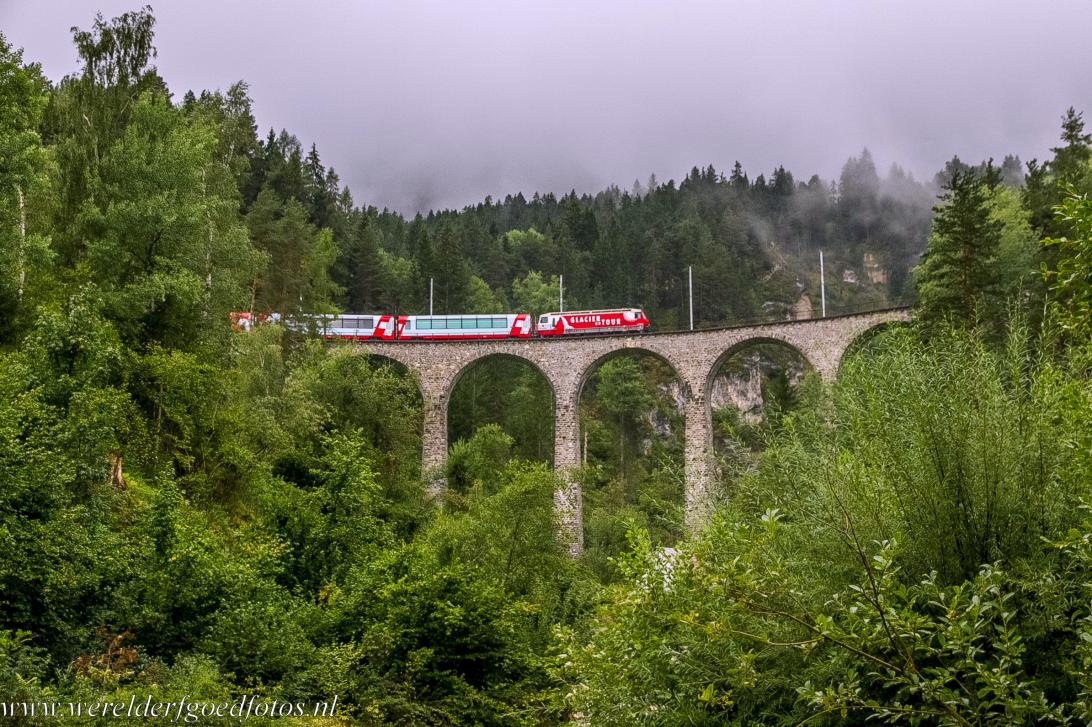
  5. Rhaetian Railway, the Albula and Bernina Lines - A red train on the Landwasser Viaduct, viewed from the mountains above. The viaduct is situated near the village of Filisur. In addition to...

    A red train on the Landwasser Viaduct, viewed from the mountains above. The viaduct is situated near the village of Filisur. In addition to regular passenger trains and goods transport, two well-known tourist expresses travel the Albula Line: the Glacier Express and the Bernina Express. The famous Glacier Express has been operating between St. Moritz and Zermatt since 1930. The Bernina Express started running from Chur via Pontresina and the Bernina Pass down to the terminus in the Italian town of Tirano in 1973.

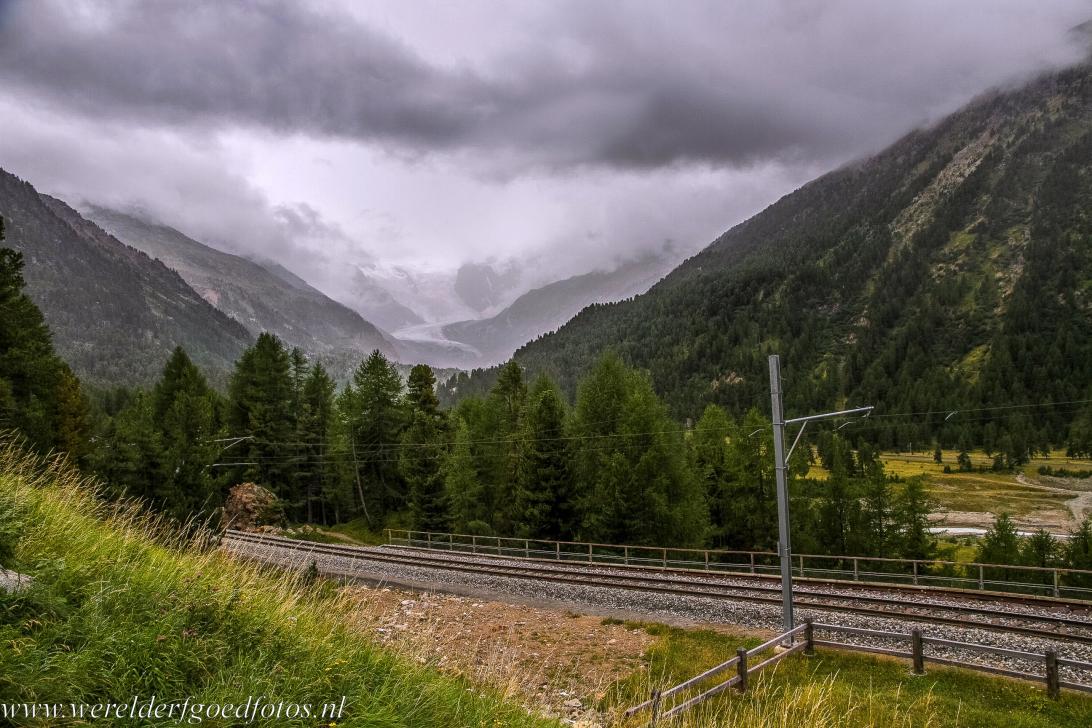
  6. Rhaetian Railway, the Albula and Bernina Lines - The Montebello Curve where the Bernina Railway Line crosses the Bernina Pass road, with the Morteratsch Glacier and the Bernina Mountain...

    The Montebello Curve where the Bernina Railway Line crosses the Bernina Pass road, with the Morteratsch Glacier and the Bernina Mountain Range in the background. The Bernina Express connects Chur, Davos and St. Moritz in Switzerland with Tirano in Italy via the 61-kilometre Bernina Railway and the Bernina Pass. When travelling by train, you can admire the glacier and the Bernina Massif, including the 4,049-metre-high Piz Bernina, from the panoramic carriages. From Morteratsch station, you can take a walk to the glacier.

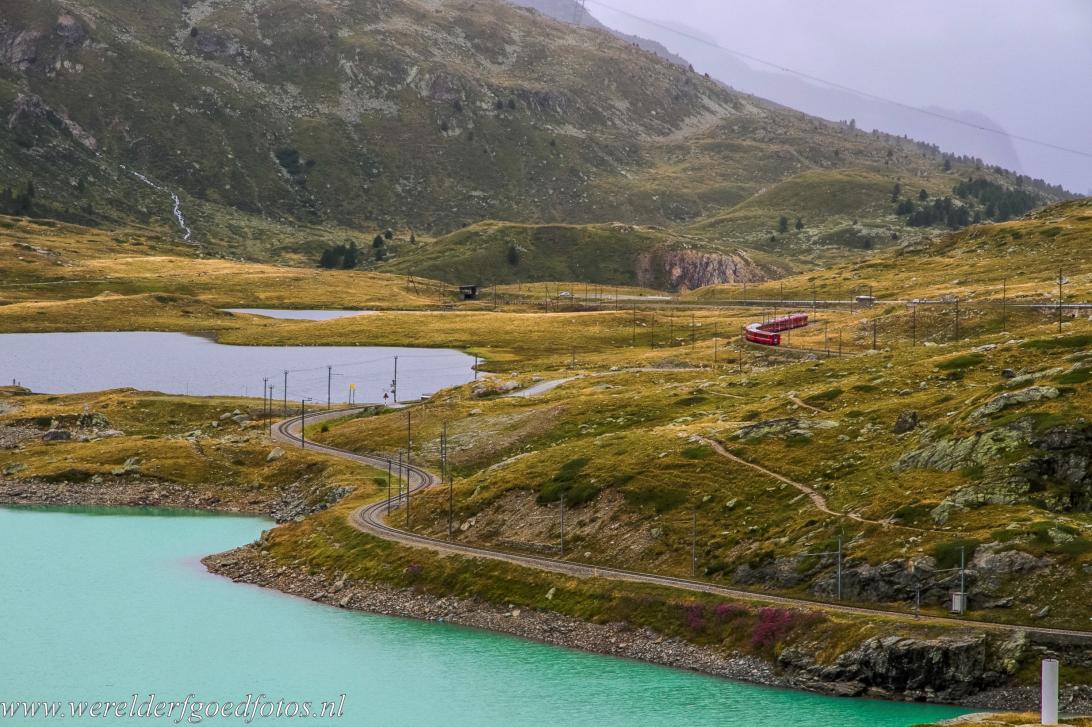
  7. Rhaetian Railway, the Albula and Bernina Lines - Here, a train runs along the Lago Bianco, a reservoir on the Bernina Pass. The lake owes its greenish colour to the glacial silt that flows down...

    Here, a train runs along the Lago Bianco, a reservoir on the Bernina Pass. The lake owes its greenish colour to the glacial silt that flows down with the meltwater from the surrounding mountain peaks. The mountain pass is situated in the Bernina Range, part of the Rhaetian Alps that stretch between Switzerland and Italy. The pass itself lies in Switzerland, close to the Italian border. This is one of the highest railway passes in Europe. At Ospizio Bernina station, the railway line reaches its highest point at 2,253 metres, while the pass road climbs to an altitude of 2,328 metres.

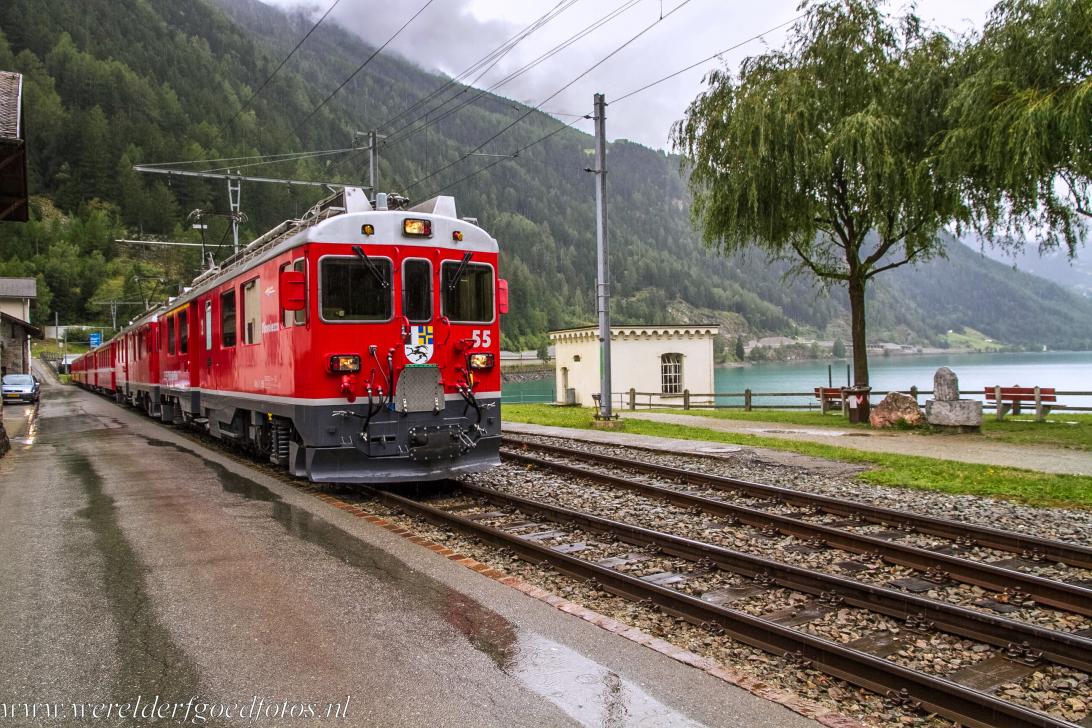
  8. Rhaetian Railway, the Albula and Bernina Lines -  A regional Rhaetian Railway train at the railway station of Miralago, with Lake Poschiavo in the background. Only regional trains stop...

     A regional Rhaetian Railway train at the railway station of Miralago, with Lake Poschiavo in the background. Only regional trains stop here, while the Bernina Express passes straight through. From St. Moritz or Poschiavo, the Bernina Line continues via Le Prese through this small village, following the eastern shore of the lake. Miralago lies just a few kilometres from the Italian border. Immediately after Miralago, the route descends towards Brusio, home to the iconic spiral viaduct.    

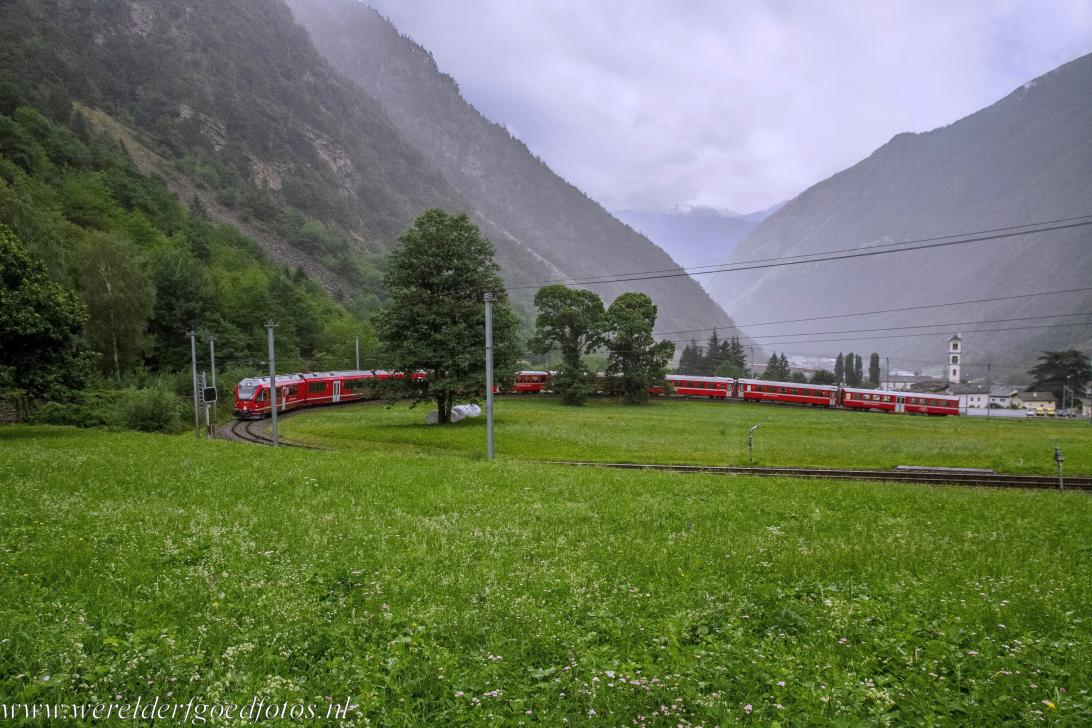
  9. Rhaetian Railway, the Albula and Bernina Lines - All Rhaetian Railway trains on the Bernina Line travelling from Poschiavo towards the Italian town of Tirano cross the world-famous Brusio Spiral...

    All Rhaetian Railway trains on the Bernina Line travelling from Poschiavo towards the Italian town of Tirano cross the world-famous Brusio Spiral Viaduct. Here, on an open slope amid the Alpine peaks, the train completes a full 360-degree loop, first passing over nine elevated stone arches before running underneath them. The viaduct was built to overcome the difference in altitude over a short distance without the need for tunnels. This remarkable structure was opened in 1908 and is situated just a few kilometres from the Italian border.

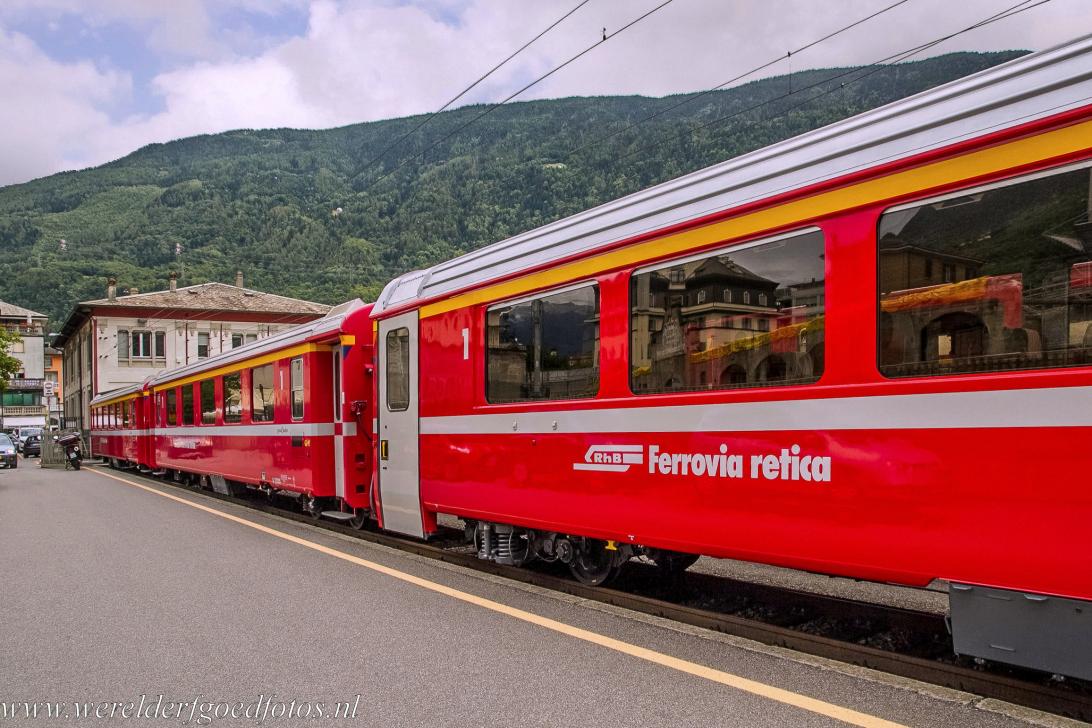
  10. Rhaetian Railway, the Albula and Bernina Lines - A regional Rhaetian Railway train at the railway station in the Italian town of Tirano, the terminus of the Bernina Line. On the final stretch of...

    A regional Rhaetian Railway train at the railway station in the Italian town of Tirano, the terminus of the Bernina Line. On the final stretch of the route, the track runs right through the town, alongside public roads and straight across squares, such as the square in front of the Basilica of Madonna di Tirano. The Rhaetian Railway operates through a trilingual region. On some trains, you will therefore see its Romansh name, 'Viafier Retica', or, as on this train, its Italian name, 'Ferrovia Retica'.