The Architectural Work of Le Corbusier: Le Corbusier (1887–1965) was an influential architect and city planner. He was born Charles-Édouard Jeanneret-Gris in the Swiss watchmaking town of La Chaux-de-Fonds. In 1917, he moved to Paris, assumed the pseudonym Le Corbusier and became a French citizen in 1930. He was one of the pioneers of the Modern Movement and the International Style. The International Style is closely related to the Modern Movement. Le Corbusier was the first architect to make use of rough-cast concrete. His designs were ascetic and functional in appearance; they had a strong sense of expressionism and rigorous geometric forms. The architectural work of Le Corbusier can be found in Argentina, Belgium, Japan, France, Germany, India and Switzerland. Le Corbusier was not only an architect and city planner; he was also a painter, sculptor, furniture designer and writer. The work of Le Corbusier was declared a UNESCO World Heritage Site in 2016; it was inscribed on the UNESCO World Heritage List as: The Architectural Work of Le Corbusier, an Outstanding Contribution to the Modern Movement.
www.werelderfgoedfotos.nl © Copyright World Heritage Photos
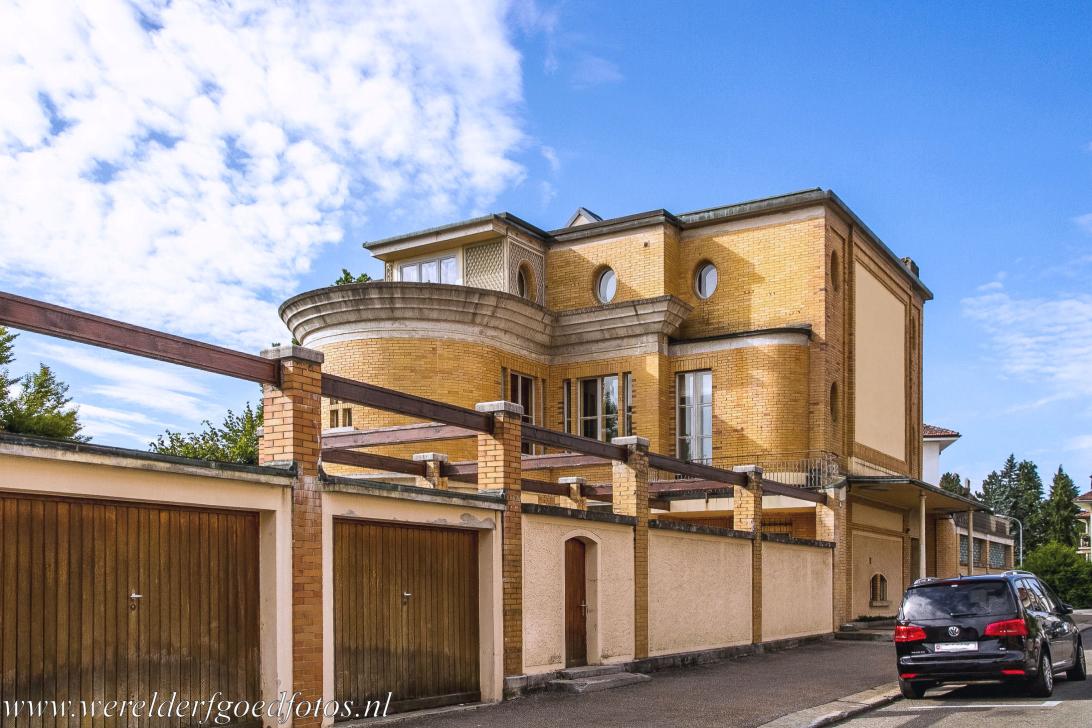
Architectural Work of Le Corbusier: Villa Schwob in La Chaux-de-Fonds in Switzerland. This villa is an early work by the architect and city planner Le Corbusier. It was built in the Oriental style. The building is also known as La Villa Turque, the Turkish Villa. This monumental work is one of the most remarkable villas built by Le Corbusier in the Swiss watchmaking town of La Chaux-de-Fonds. Villa Schwob is considered a masterpiece from the early period of modern architecture. The Architectural Work of Le Corbusier was declared a UNESCO World Heritage Site in 2016.
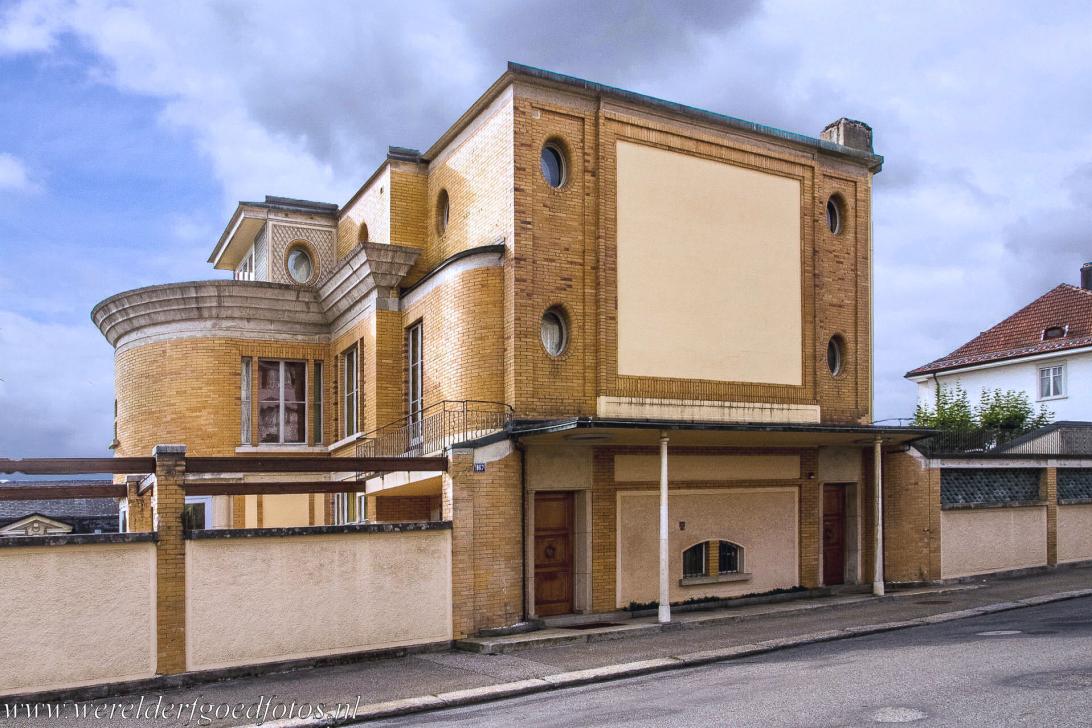
Architectural Work of Le Corbusier: Villa Schwob in La Chaux-de-Fonds in Switzerland. This villa is an early work by the architect and city planner Le Corbusier. It was built in the Oriental style. The building is also known as La Villa Turque, the Turkish Villa. This monumental work is one of the most remarkable villas built by Le Corbusier in the Swiss watchmaking town of La Chaux-de-Fonds. Villa Schwob is considered a masterpiece from the early period of modern architecture. The Architectural Work of Le Corbusier was declared a UNESCO World Heritage Site in 2016.
Architectural Work of Le Corbusier: Villa Schwob in La Chaux-de-Fonds, a famous watchmaking town in Switzerland. This extraordinary building is also known as La Villa Turque (Turkish Villa). It was commissioned by the wealthy watchmaker Anatole Schwob. In 1916, the villa was designed by Charles-Édouard Jeanneret-Gris, not yet known as Le Corbusier, and was completed in 1917. Le Corbusier's design for the villa was strongly influenced by the Ottoman architecture he saw during his travels through Turkey. The villa is privately owned and not open to the public.

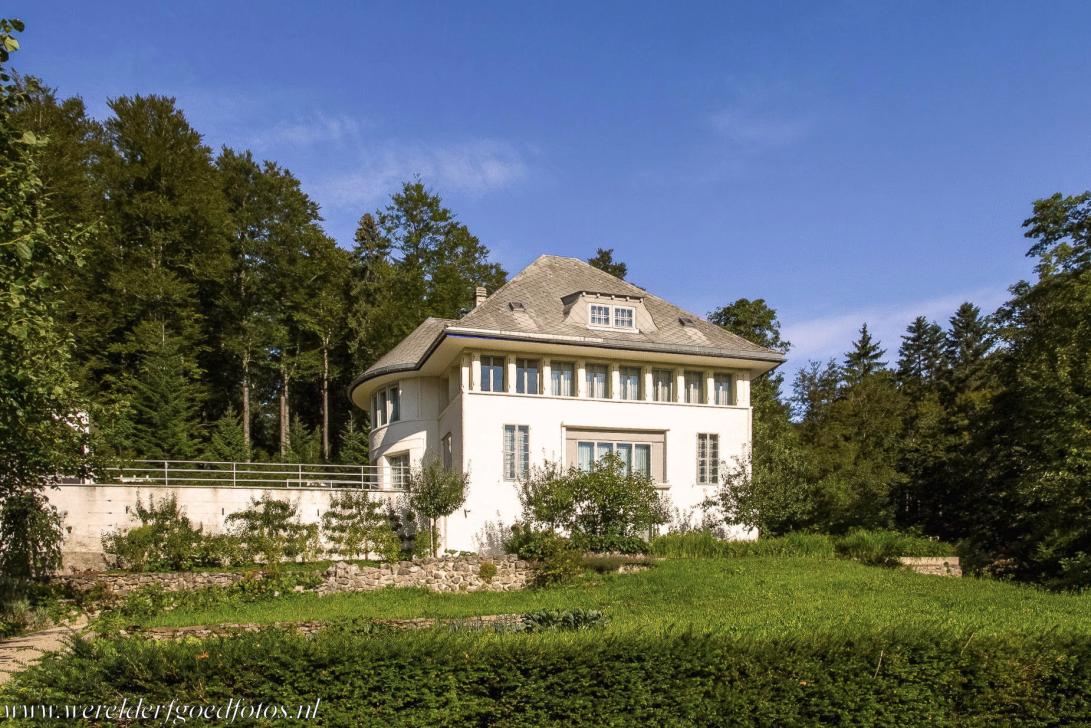
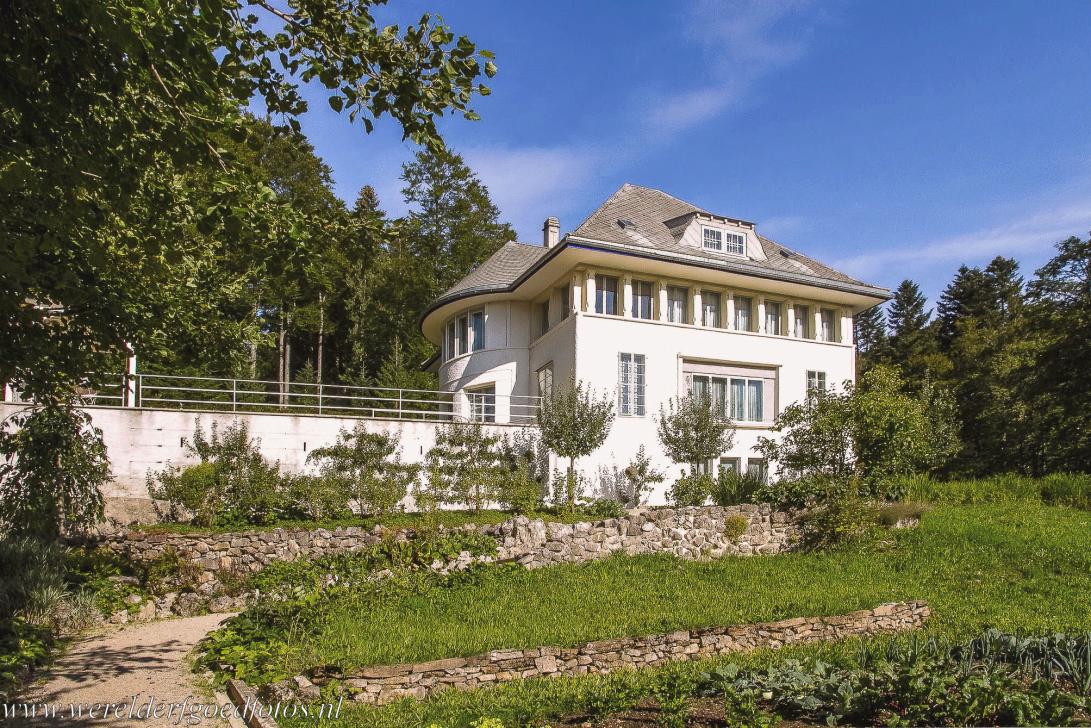
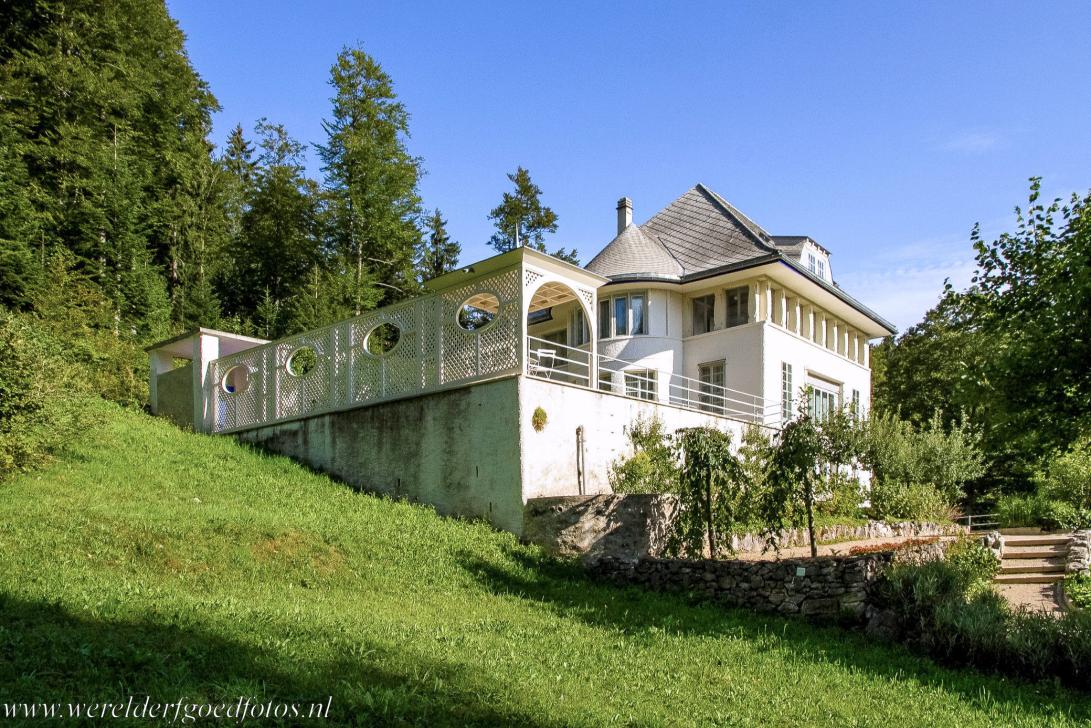
Architectural Work of Le Corbusier: La Maison Blanche is set in the wooded hills near the Swiss town of La Chaux-de-Fonds. This residence is also known as Villa Jeanneret-Perret. In 1912, Le Corbusier opened his own architectural office in his hometown La Chaux-de-Fonds. La Maison Blanche (the White House) was the first independent project of Le Corbusier, who designed and built it for his parents in 1912; they lived here until 1919. The house was completely renovated in 2025 and is now open to visitors a few days a week.

Architectural Work of Le Corbusier: La Maison Blanche in La Chaux-de-Fonds, Switzerland. La Maison Blanche is a combination of modern architecture, especially of German influence and Mediterranean tradition. In this house, Le Corbusier tried out his new construction methods for the first time. For the construction of La Maison Blanche, he used new materials, such as fibre cement for the roof, and linoleum for the floors. After a renovation, the rooms are furnished in their original style. Le Corbusier once said: Chairs are architecture, sofas are bourgeois.

Architectural Work of Le Corbusier: La Maison Blanche near the Swiss town of La Chaux-de-Fonds was designed by Le Corbusier at the age of 25. He lived in this mansion with his parents until he moved to Paris in 1917. He began his study trips in 1907 and visited the Mediterranean region and the Balkans, among others, which were important for his career and greatly inspired him. Le Corbusier was not only an architect, but also a furniture designer, city planner, painter, sculptor and writer. His travels were the subject of his book: Le Voyage d'Orient.