World Heritage Photos

Historic Centre of Vienna

Historic Centre of Vienna: Vienna developed from Celtic and Roman settlements into a Medieval and Baroque city. It became the capital of the Austro-Hungarian Empire and after the First World War, Vienna became the capital of Austria. The historic centre of Vienna is known for its Baroque castles and gardens. The 19th-century Ringstraße is lined with monuments, parks and grand buildings from the 'Gründerzeit', the great economic upswing in the middle of the 19th century. Vienna is well-known as the leading European Music City; it has been a leading music centre in Europe since the 16th century. More renowned composers have lived and worked in Vienna than in any other city in the world. The Austrian National Library is situated in the Hofburg Palace. The huge collection includes the notable items Vienna Dioscurides, the Tabula Peutingeriana and the unique Atlas Blaeu-van der Hem; these works are listed in the Memory of the World Register. Vienna is also known for the legendary Empress Elisabeth of Austria, also known as 'Sisi' (Sissi). Another UNESCO World Heritage Site in Vienna is Schloss Schönbrunn, the palace where Empress Sisi once lived; it is located on the outskirts of Vienna. The Historic Centre of Vienna became a UNESCO World Heritage Site in 2001.

www.werelderfgoedfotos.nl   © Copyright   World Heritage Photos
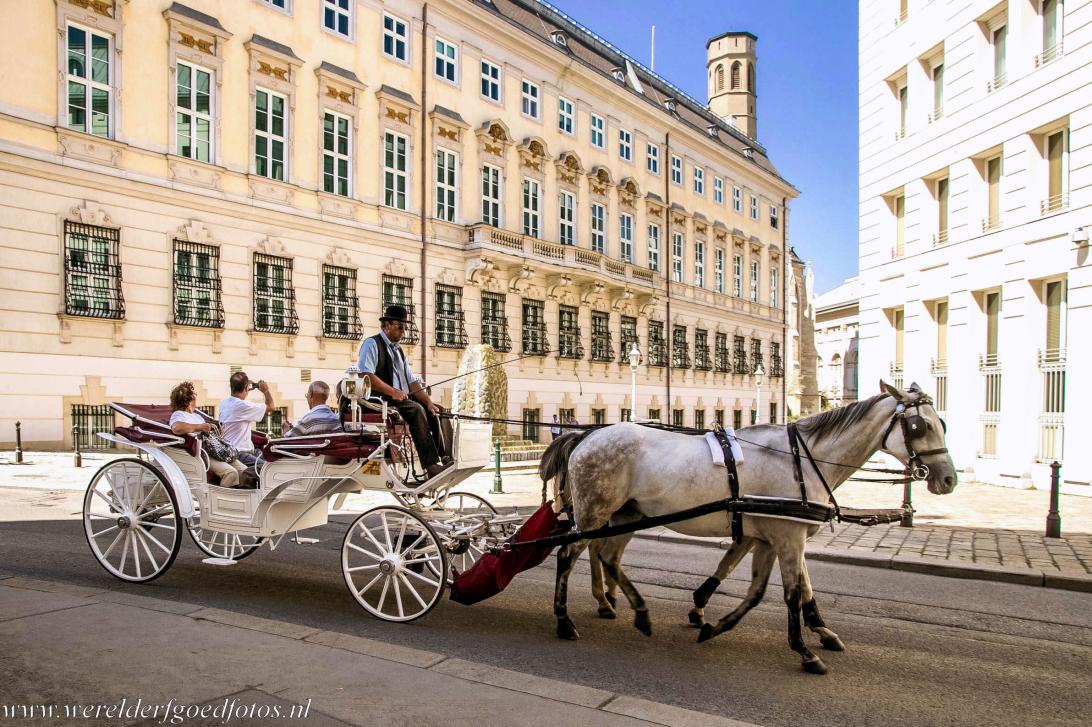
Historic Centre of Vienna - A horse-drawn carriage in front of the Hofburg in the historic centre of Vienna. The Hofburg is a former Imperial Palace; it was the winter...

A horse-drawn carriage in front of the Hofburg in the historic centre of Vienna. The Hofburg is a former Imperial Palace; it was the winter residence of the House of Austria, the Habsburgs. The palace was built in the 13th century in the historic centre of Vienna and was expanded over the centuries. The imposing Hofburg includes buildings such as the Amalienburg, the Burgkapelle and the Spanish Riding School. The Historic Centre of Vienna gained status as a UNESCO World Heritage Site in 2001.
  1. Historic Centre of Vienna - A horse-drawn carriage in front of the Hofburg in the historic centre of Vienna. The Hofburg is a former Imperial Palace; it was the winter...

    A horse-drawn carriage in front of the Hofburg in the historic centre of Vienna. The Hofburg is a former Imperial Palace; it was the winter residence of the House of Austria, the Habsburgs. The palace was built in the 13th century in the historic centre of Vienna and was expanded over the centuries. The imposing Hofburg includes buildings such as the Amalienburg, the Burgkapelle and the Spanish Riding School. The Historic Centre of Vienna gained status as a UNESCO World Heritage Site in 2001.
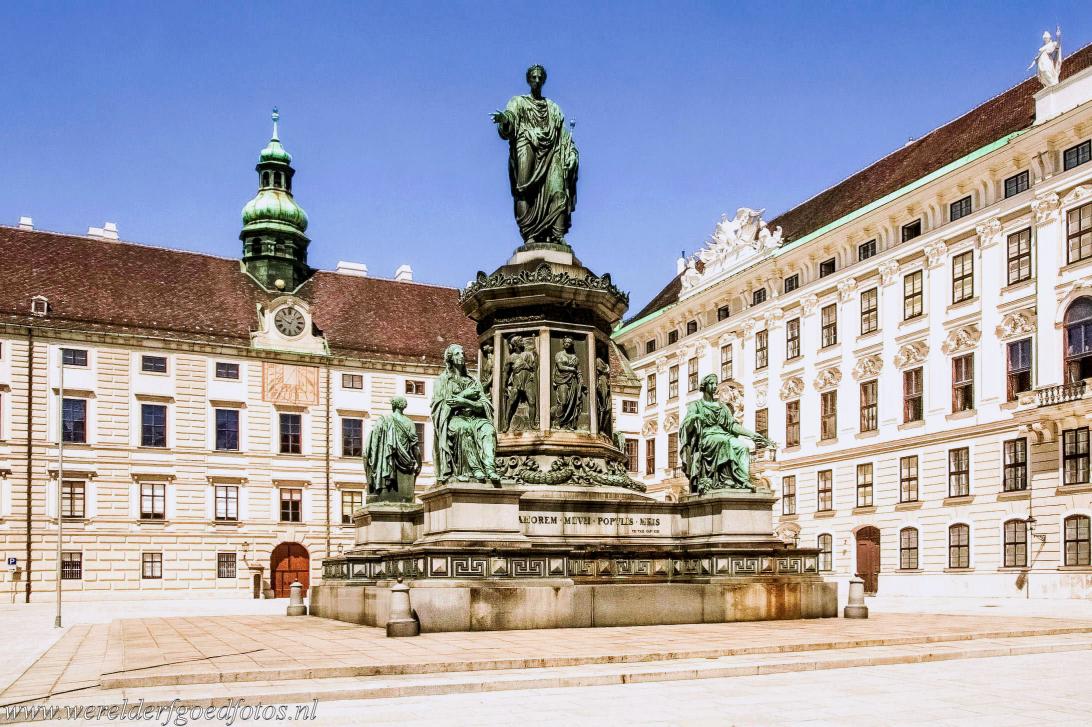
  2. Historic Centre of Vienna - Historic Centre of Vienna: The bronze monument to Emperor Franz I of Austria stands in the Inner Courtyard of the Imperial Castle, the Hofburg....

    Historic Centre of Vienna: The bronze monument to Emperor Franz I of Austria stands in the Inner Courtyard of the Imperial Castle, the Hofburg. The Amalienburg stands on the left, with the Reichskanzlei Wing on the right side. For seven centuries, the Hofburg was the seat of the ruler of Austria; from here, the Habsburg dynasty ruled until the end of the First World War. The Historic Centre of Vienna was inscribed on the UNESCO World Heritage List in 2001.

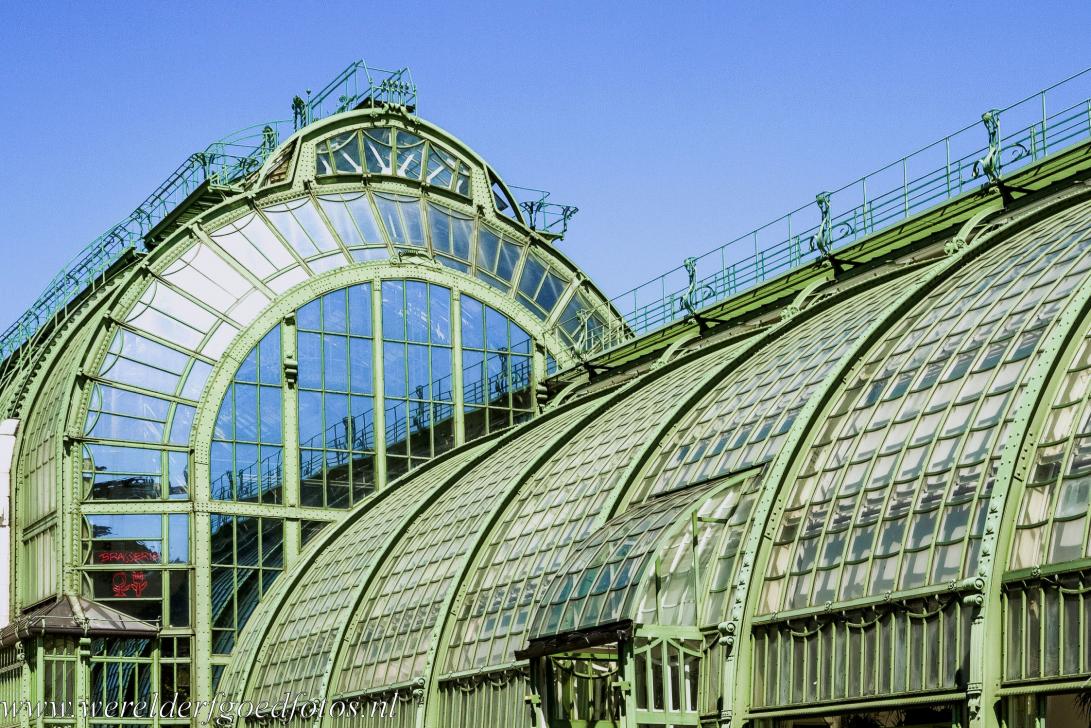
  3. Historic Centre of Vienna - Historic Centre of Vienna: The Palm House in the Burggarten, the former private garden of the Austrian Emperor. This enormous construction was...

    Historic Centre of Vienna: The Palm House in the Burggarten, the former private garden of the Austrian Emperor. This enormous construction was built between 1901 and 1906. The 2,000 m³ glasshouse was built of steel and glass. The Emperor Franz Joseph I used this grand Palm House to relax and escape for a while from the busy court life. The Palm House brought nature into the centre of Vienna. Today, visitors can observe exotic, free-flying butterflies in a tropical setting.

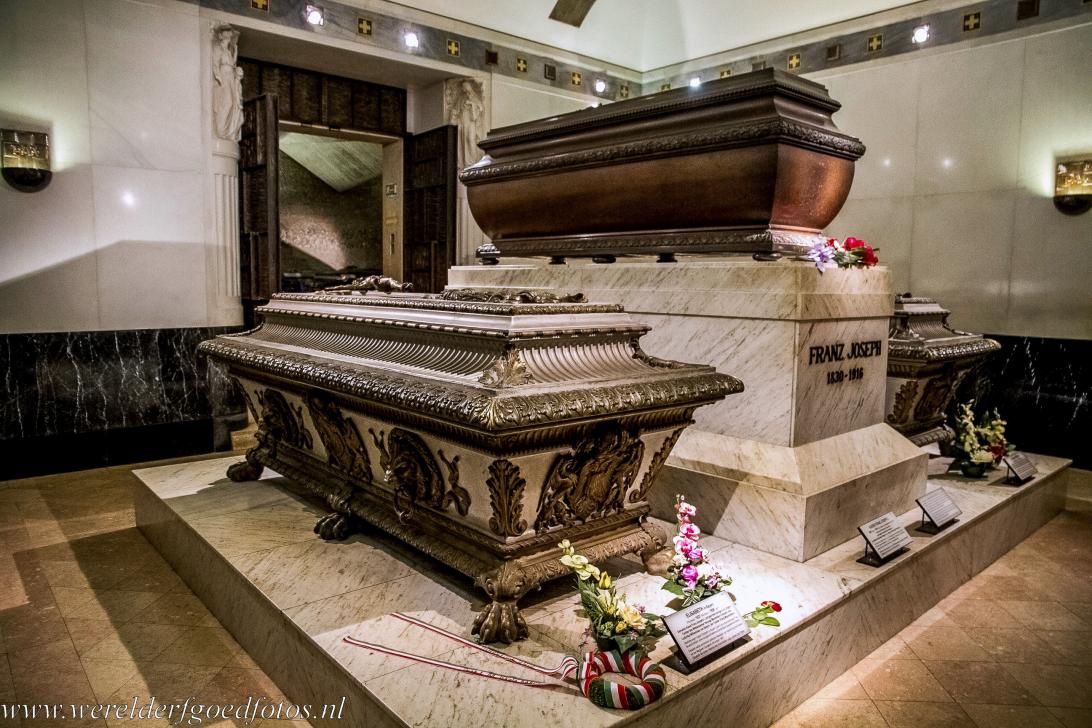
  4. Historic Centre of Vienna - Historic Centre of Vienna: The sarcophagus of Empress Elisabeth of Austria (Sisi) in the Imperial Crypt. On the huge pedestal next to it stands...

    Historic Centre of Vienna: The sarcophagus of Empress Elisabeth of Austria (Sisi) in the Imperial Crypt. On the huge pedestal next to it stands the sarcophagus of the Emperor Franz Joseph I. The sarcophagus of their son Rudolf stands on the far right. The crypt is situated beneath the Capuchin Church. Since 1633, the Imperial Crypt has been the final resting place of members of the Habsburg Dynasty, also known as the House of Austria. The last emperor to be buried here was Franz Joseph I. His wife, Sisi, is the most famous member of the Habsburgs.

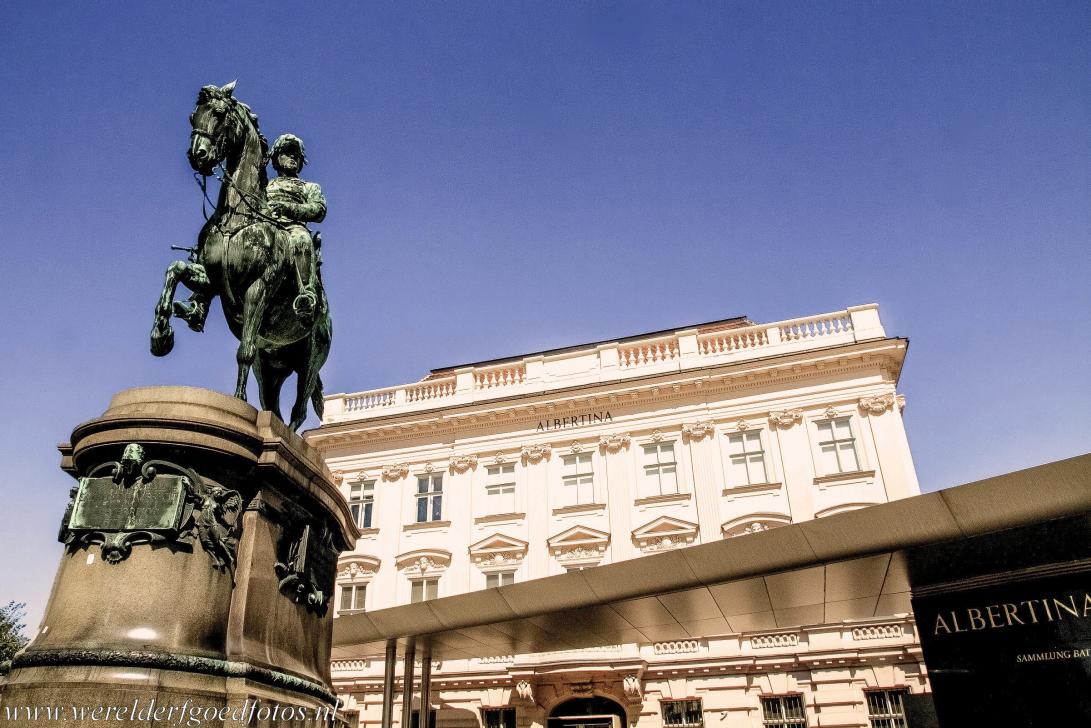
  5. Historic Centre of Vienna - Historic Centre of Vienna: The bronze equestrian statue of Archduke Albrecht is located on the Albertina Terrace outside the Albertina Museum. The...

    Historic Centre of Vienna: The bronze equestrian statue of Archduke Albrecht is located on the Albertina Terrace outside the Albertina Museum. The Albertina was the largest residence of the Habsburgs. The palace was built in 1744 and houses a large number of furnished state rooms. Since 1805, this imposing building has also housed a museum. The Albertina Museum houses masterpieces of the great modern artists such as Monet, Renoir and Picasso but also works of the greatest artists in history.

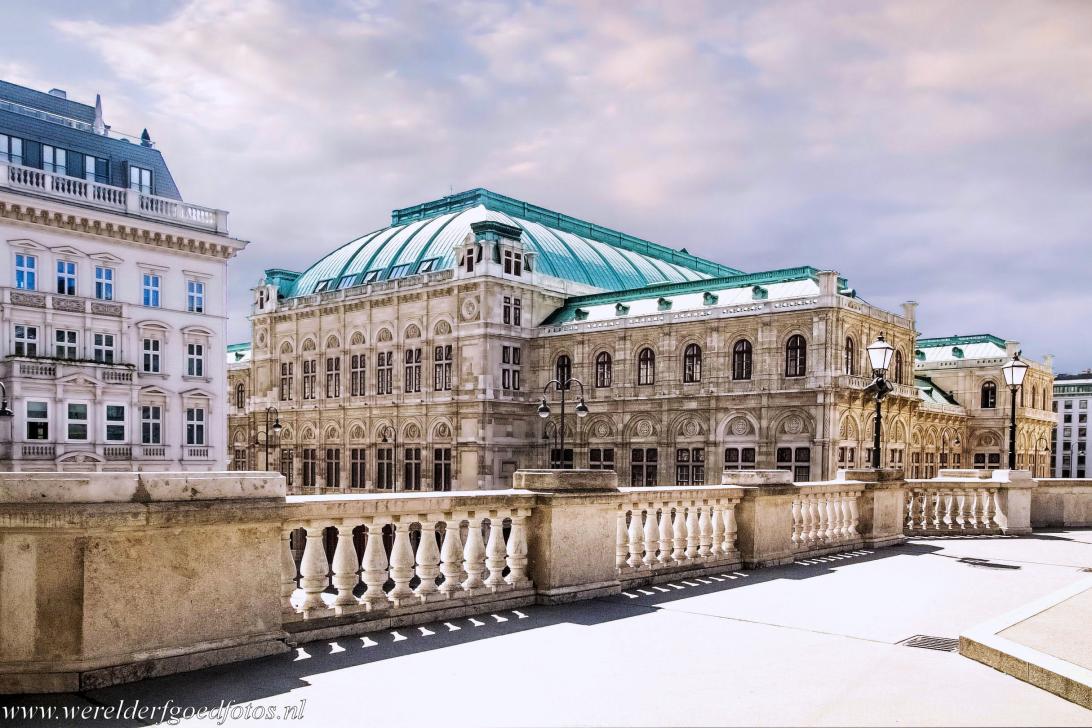
  6. Historic Centre of Vienna - Historic Centre of Vienna: The Vienna State Opera viewed from the Albertina Terrace, a terrace located next to the Albertina Museum. This terrace...

    Historic Centre of Vienna: The Vienna State Opera viewed from the Albertina Terrace, a terrace located next to the Albertina Museum. This terrace offers spectacular views of the Burggarten Park and the Hofburg Palace. Vienna has been a leading music centre in Europe since the 16th century. More famous composers have lived and worked in Vienna than in any other city in the world. The Albertina Museum itself is an art museum situated within a former palace.

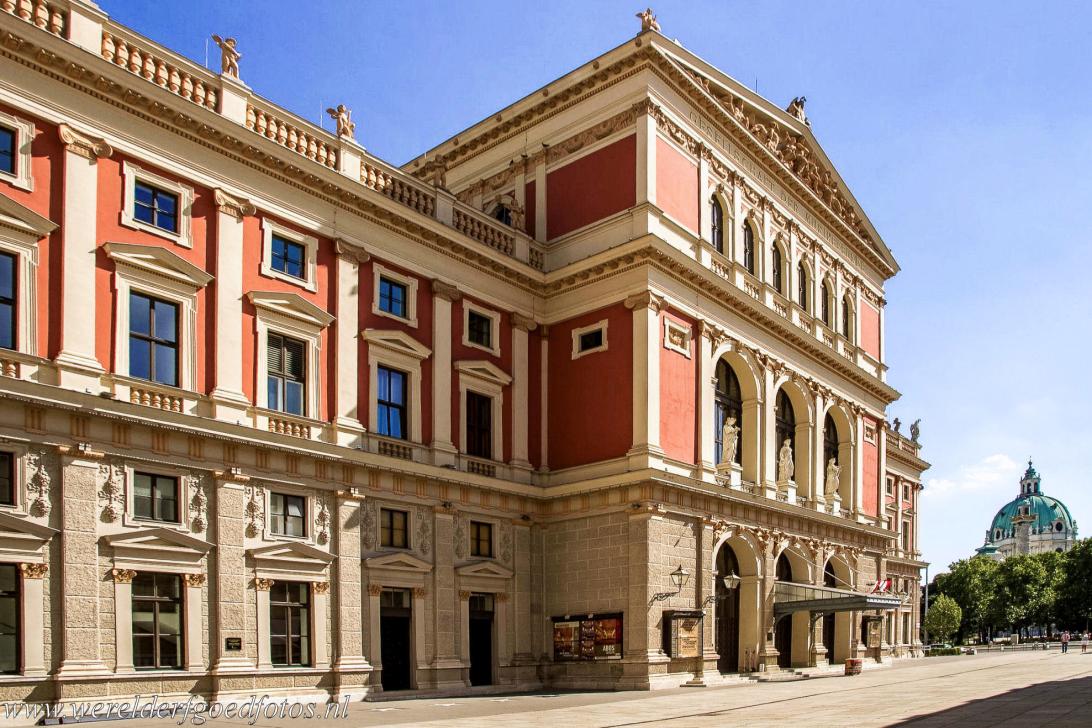
  7. Historic Centre of Vienna - Historic Centre of Vienna: The Society of the Friends of Music (Gesellschaft der Musikfreunde) in Vienna is better known as the Musikverein. The...

    Historic Centre of Vienna: The Society of the Friends of Music (Gesellschaft der Musikfreunde) in Vienna is better known as the Musikverein. The Archives of the Musikverein house a collection of music manuscripts, libretti, recorded material, musical instruments and numerous other objects related to music. The music manuscripts of the composer Brahms were bequeathed in his will to the Musikverein. The Brahms Collection is listed in the UNESCO Memory of the World Register.

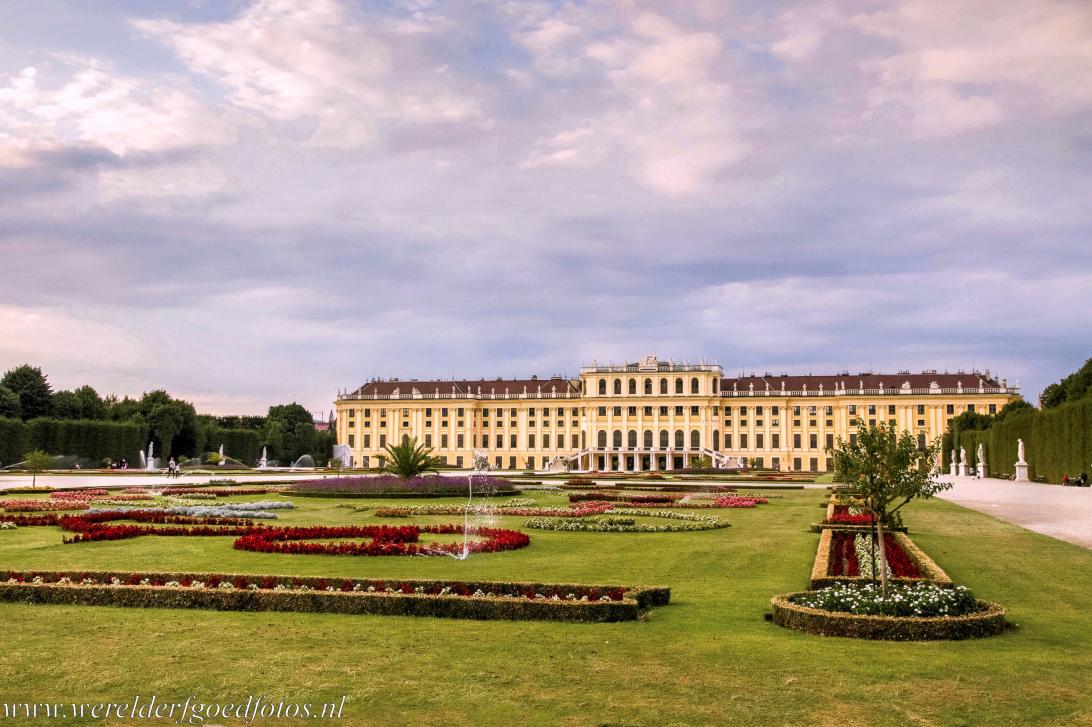
  8. Historic Centre of Vienna - There are two UNESCO World Heritage Sites in Vienna: The Historic Centre of Vienna and the Palace and Gardens of Schönbrunn. Schönbrunn...

    There are two UNESCO World Heritage Sites in Vienna: The Historic Centre of Vienna and the Palace and Gardens of Schönbrunn. Schönbrunn Palace is located on the outskirts of Vienna. Schönbrunn Palace was the summer residence of the Habsburg dynasty and is nowadays one of the most important cultural monuments in Austria. Franz Joseph I, the longest-reigning emperor of Austria, was born at Schönbrunn Palace. This palace was also the summer residence of the legendary Empress Elisabeth of Austria, better known as 'Sisi' (Sissi).