The Old City of Bern is located on a narrow hill, surrounded on three sides by the River Aare. Bern was founded in 1191. The city is built on uneven ground; there is a difference of several dozen metres in height between the lower districts along the Aare and the higher districts. After a devastating fire in 1405, the original wooden buildings of the historic centre of Bern were replaced by half-timbered houses, and later by the characteristic sandstone houses. Despite the fire and the construction of new buildings in the 18th century, the Old City of Bern retained its medieval character. The Zeitglockenturm or Zytglogge with its famous astronomical clock is a symbol of the city of Bern. The astronomical clock dates from the 15th century. The tower was built in the 13th century as the West Gate. Bern became the capital of Switzerland in 1848; the Federal Palace of Switzerland, a university and museums were built. The 100-metre-high bell tower of the Bern Minster is the highest tower in Switzerland. The largest bell of the Minster weighs 10.5 tonnes and was cast in 1611; it is also the largest bell in Switzerland. Most of the streets in the old city of Bern have arcades on both sides with shops underneath. The six kilometres of arcades are the longest covered shopping area in Europe, a true shoppers' paradise. There are over a hundred public fountains in the Old City. The 15th-century arcades and 16th-century fountains are an important part of the World Heritage Site. Bern is situated about 66 kilometres from the World Heritage Site: Watchmaking Towns La Chaux-de-Fonds and Le Locle. The historic centre of Bern was inscribed on the UNESCO World Heritage List in 1983 as: Old City of Berne. World Heritage Art: The Berner Fricktreppe
www.werelderfgoedfotos.nl © Copyright World Heritage Photos
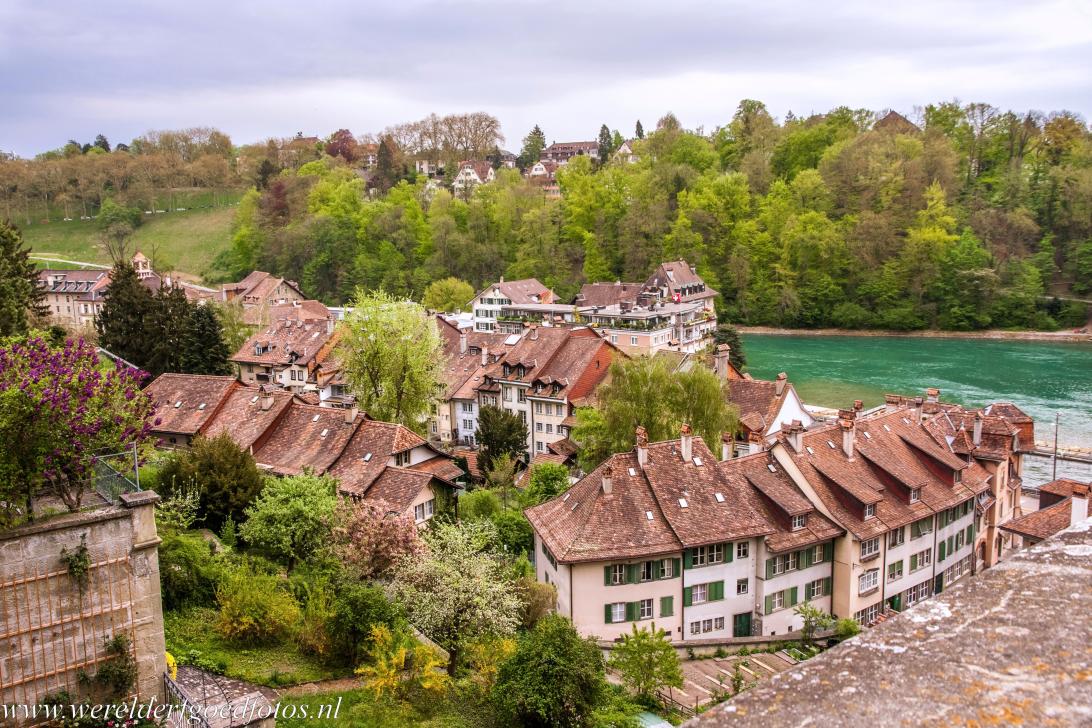
The Lower Town of the Old City of Bern and the River Aare viewed from the Münster Platform (Minster Terrace) in the Upper Town. The city of Bern was built on uneven ground. There is a difference of several dozen metres in height between the lower districts along the Aare and the higher districts. These districts are connected by the medieval Fricktreppe (Frick Stairs), among others. The Old City of Bern is surrounded on three sides by the Aare. The Old City of Bern is a UNESCO World Heritage Site.
The Lower Town of the Old City of Bern and the River Aare viewed from the Münster Platform (Minster Terrace) in the Upper Town. The city of Bern was built on uneven ground. There is a difference of several dozen metres in height between the lower districts along the Aare and the higher districts. These districts are connected by the medieval Fricktreppe (Frick Stairs), among others. The Old City of Bern is surrounded on three sides by the Aare. The Old City of Bern is a UNESCO World Heritage Site.
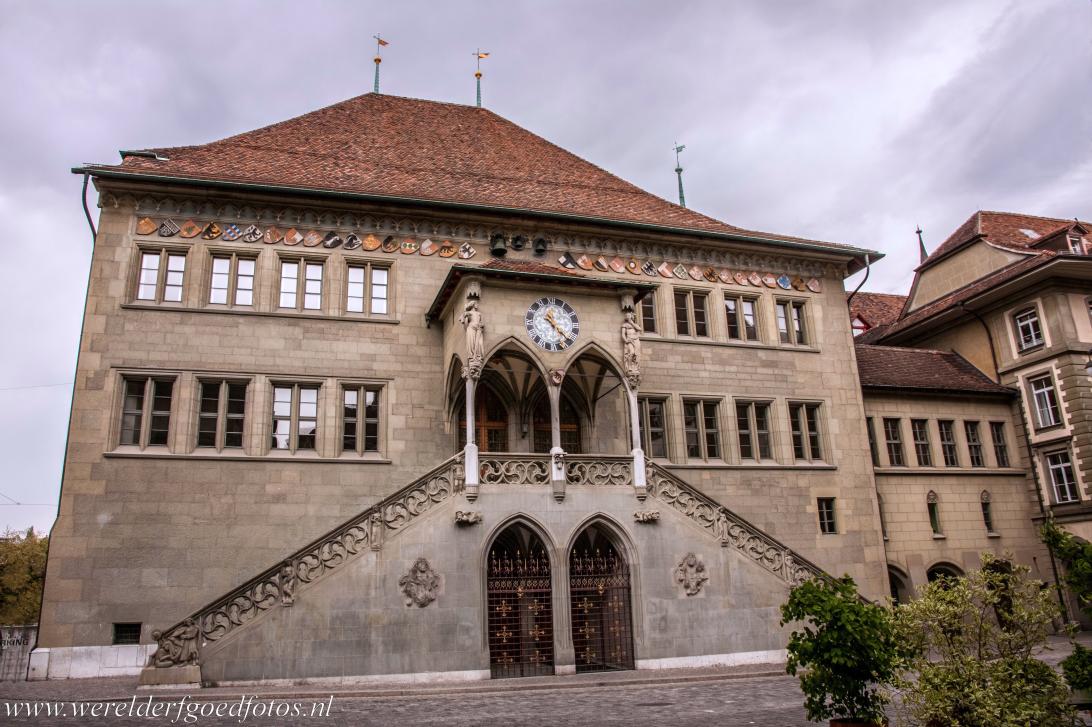
Old City of Bern: The Rathausplatz is dominated by the Bern Rathaus, the Town Hall of Bern. The Late-Gothic building has a double staircase with decorative stone balustrades; it was built on the Rathausplatz (Town Square) in the Lower Town between 1406 and 1416. Bern was founded in 1191 and was expanded westwards along the River Aare in the 13th and 14th centuries. The Old City of Bern is strategically located on a narrow hill surrounded on three sides by the Aare.

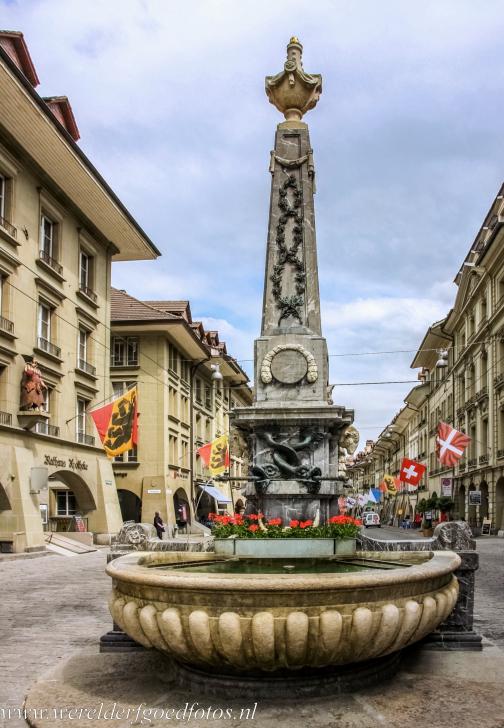
Old City of Bern: The obelisk-like Kreuzgasse Fountain dates from 1779. There are more than a hundred public fountains in the upper part of the Old City. The public fountains were built in the 16th century to privide a public water supply. The 16th-century fountains are an important part of the World Heritage Site 'Old City of Berne'. The brown bear is the traditional symbol of Bern; this symbol appears everywhere in the city; on flags, buildings and fountains. Even live bears are kept in the BärenPark.

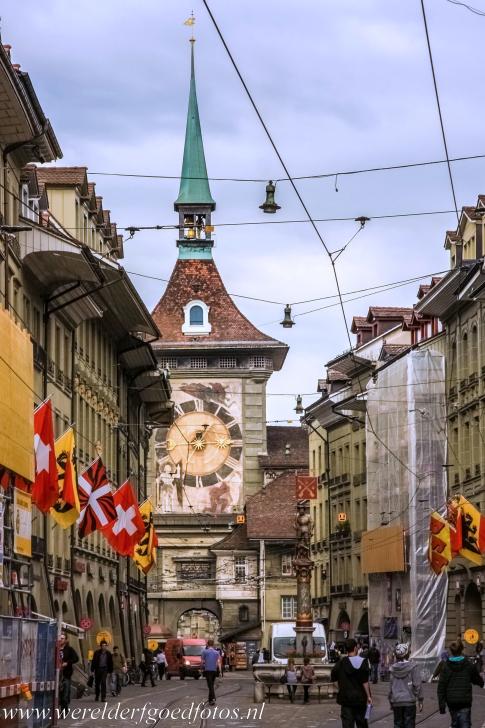
Old City of Bern: The renowned Clock Tower, the Zytglogge or Zeitglockenturm, is one of the symbols of the city of Bern. The tower houses an astronomical clock that dates from the 15th century. The tower was originally built in the 13th century as the West Gate of the city. Not far from the Zytglogge, there is a historic pharmacy dating back to 1571; it is a well-preserved example of a medieval pharmacy. The Zytglogge serves as a boundary marker between the Upper and Lower Town of the city.

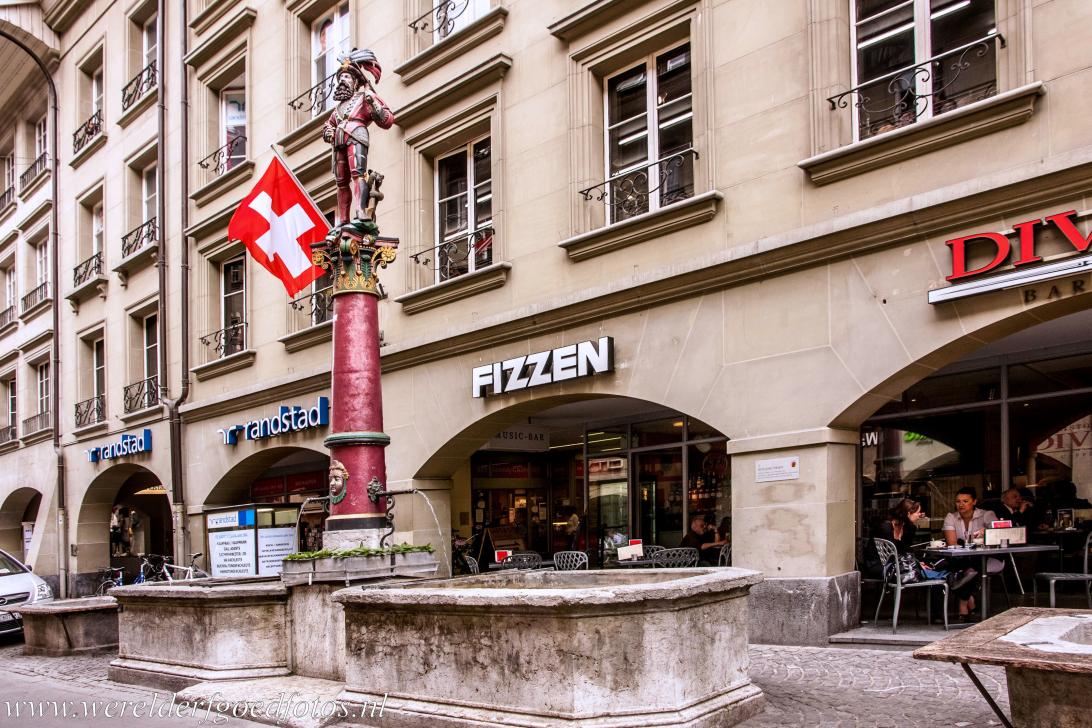
Old City of Bern: The Ryffli Fountain and the famous arcades in the Aarbergergasse (Aarberg Lane). The Ryffli Fountain (German: Ryfflibrunnen) was named after the legendary crossbowman Ryffli; he is known for his struggle against the feudal nobility. The statue on top of the fountain depicts Ryffli with a crossbow over his shoulder, a sword in one hand, and a bear at his feet. This remarkable fountain is one of the many public fountains in the Lower Town of Bern; it was built in 1545. Bern is often called 'The City of Fountains'.

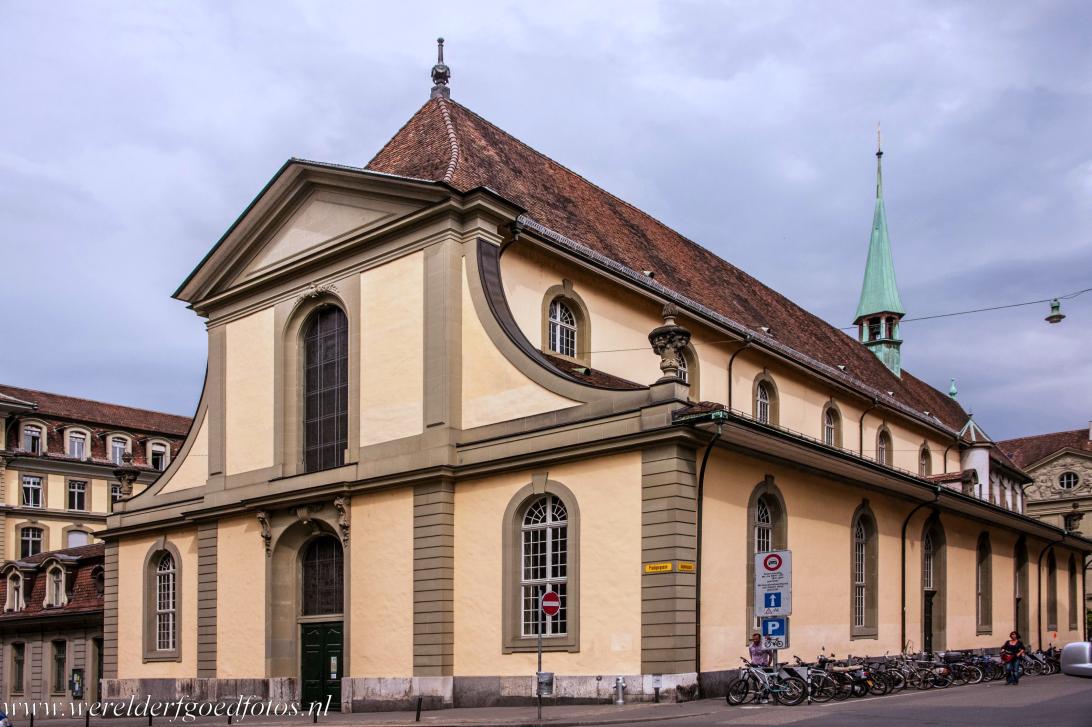
Old City of Bern: The French Church was built between 1270 and 1285 as part of a monastery that was founded in 1269. This remarkable building is the oldest church in Bern. It was originally a Catholic church. As of 1623, it served as a church for the French-speaking Protestants of Bern. The French Church was a refuge for Huguenots in the 17th century. The interior of the church is decorated with notable frescoes and murals, which survived the Reformation. The Old City of Bern was declared a UNESCO World Heritage Site in 1983.

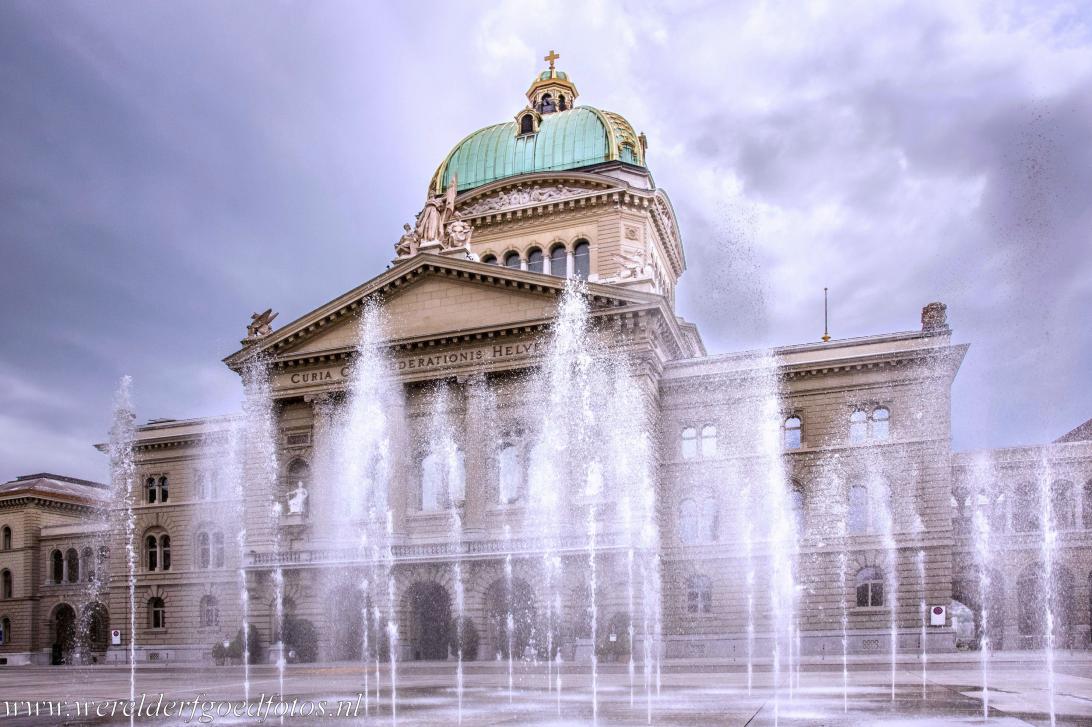
Old City of Bern: The 26 fountains in front of the Swiss Bundeshaus on the Bundesplatz, the Parliament Square, represent the 26 cantons of Switzerland. The Swiss Bundeshaus (Swiss House of Parliament) was primarily built in the Neo-Renaissance style and was inaugurated in 1902. Its green weathered copper dome has an impressive external height of 64 metres. When Bern became Switzerland's capital city in 1848, the Bundeshaus, a university and a number of museums were built in the city.

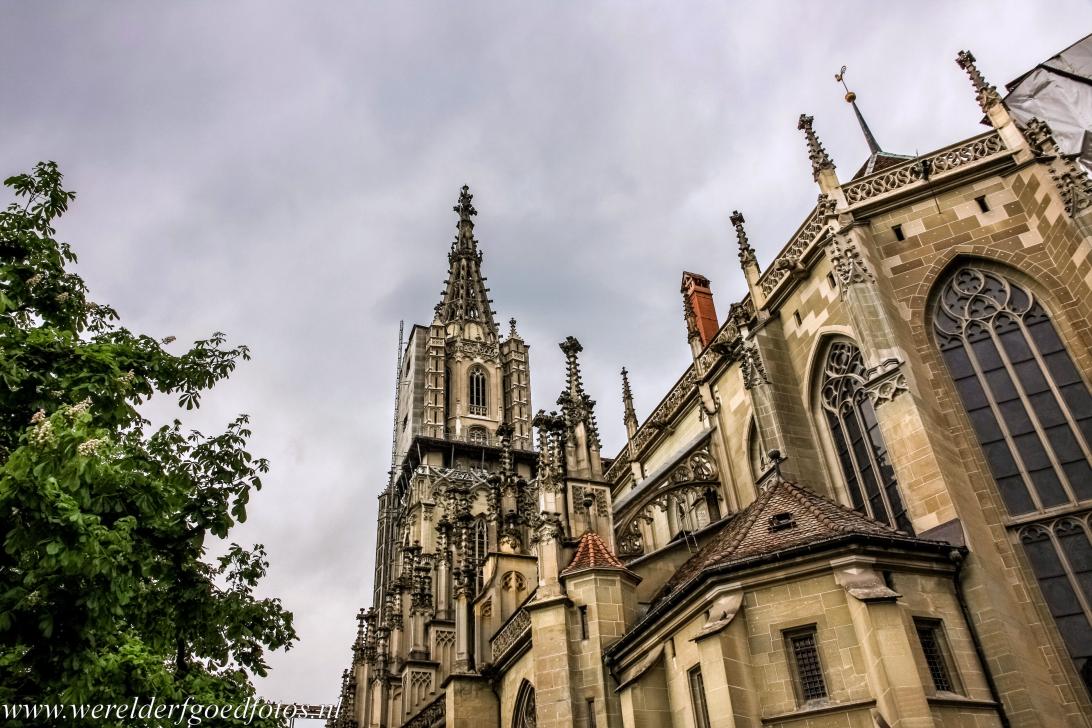
Old City of Bern: The construction of the Bern Cathedral started in 1421; this Gothic sandstone building was fully completed in 1893 when its imposing bell tower was added. In the meantime, the Reformation took place and Bern had become Protestant; the Catholic cathedral became a Protestant Minster, the Bern Minster. The 100-metre-high church tower of the Minster is the highest tower in Switzerland. The largest bell in this impressive tower weighs 10.5 tonnes and was cast in 1611; it is the largest bell in the Minster and also the largest bell in all of Switzerland.

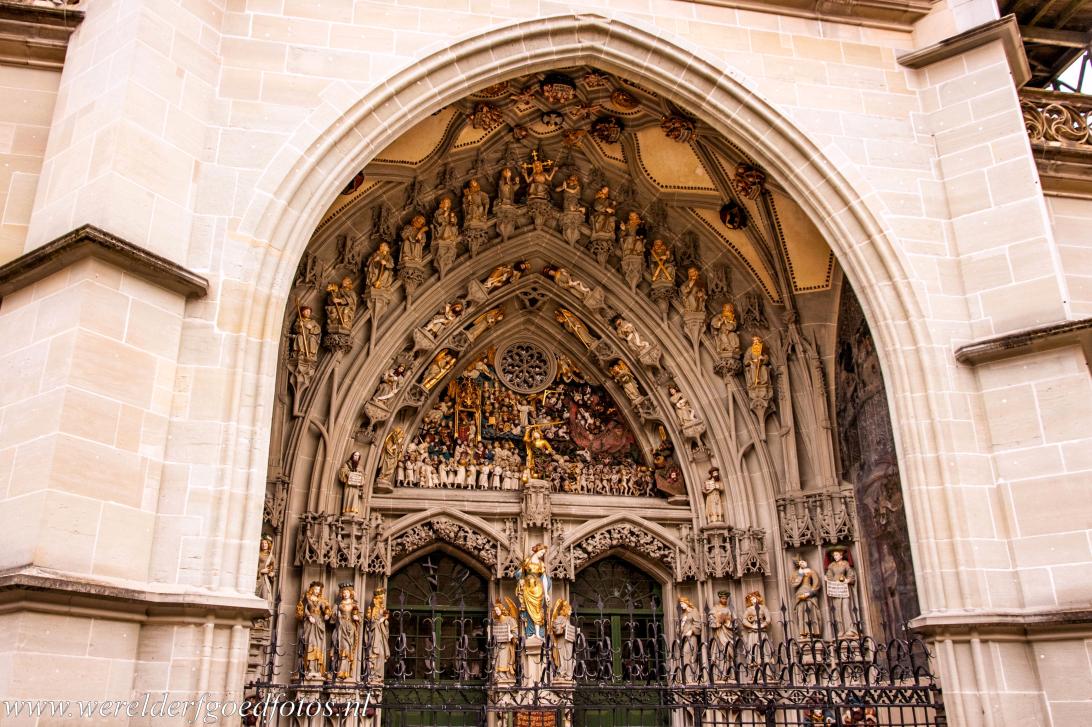
Old City of Bern: The most beautiful feature of the Bern Minster is the 15th-century main portal, called the Last Judgment Portal. This overwhelmingly decorated portal depicts the biblical scene of the 'Last Judgment': the Archangel Michael with a flaming sword; the saved are on the bright left side and the damned souls on the darker right side. This unique and exceptional collection of Late-Gothic sculptures consists of 294 carved wood and stone statues. This masterpiece is widely considered the highlight of the Bern Minster.

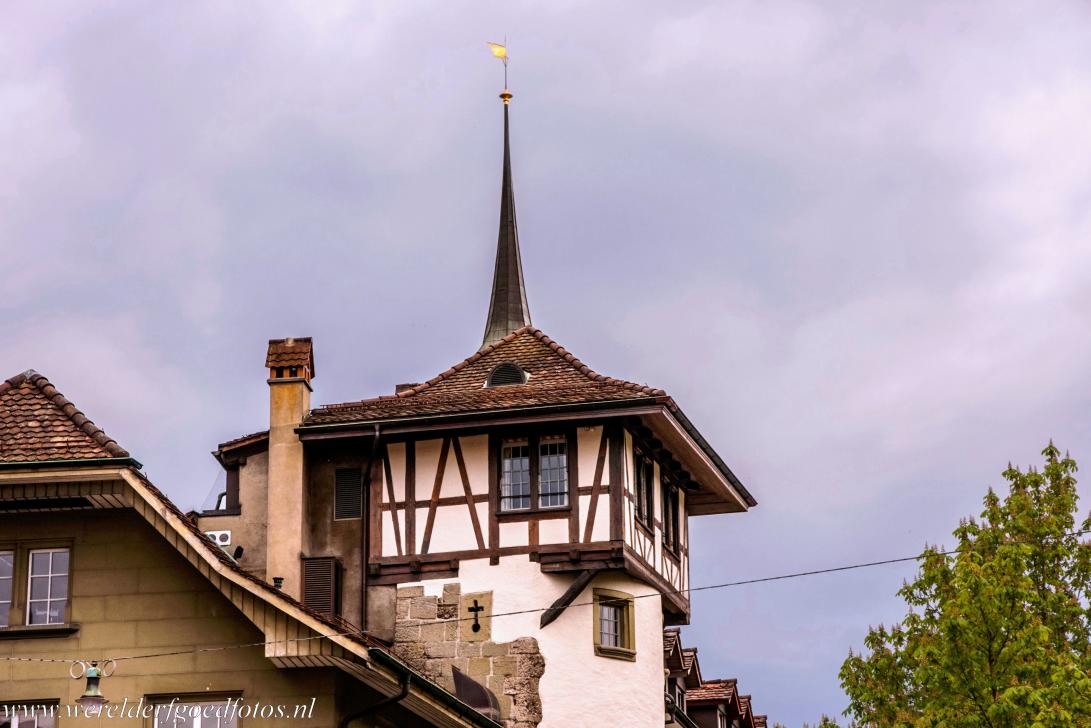
One of the few remaining half-timbered houses in the Old City of Bern. Following a devastating fire in 1405, most of the medieval wooden buildings of the city were replaced by half-timbered houses, also known as truss houses. In the 15th and 16th centuries, the iconic half-timbered buildings were replaced by the present characteristic sandstone buildings. The highlights of the historic centre of Bern include the Zytglogge, the Bern Minster, the Renaissance fountains and the covered medieval arcades.

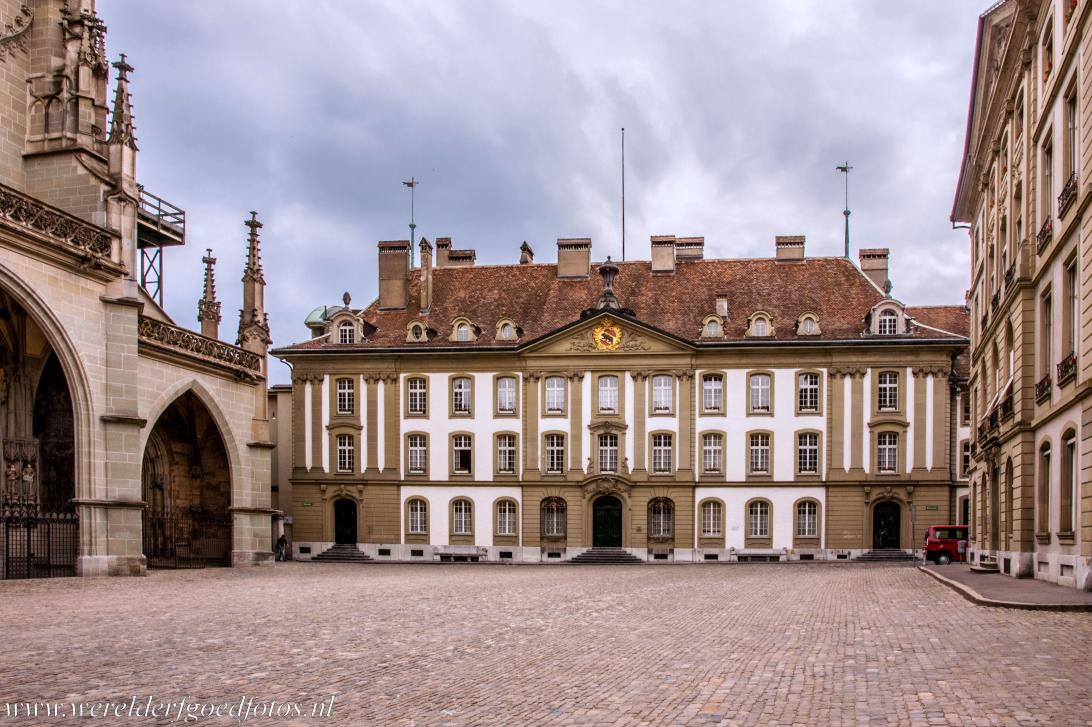
Old City of Bern: The Stiftsgebäude is the Chapter House of the Minster; this Late-Gothic building stands on the Münsterplatz in the Upper Town of Bern. Several historic monuments are located around the medieval Münsterplatz. To the left stands the Protestant Minster (Bern Minster) with its renowned main portal. The bell tower of the Minster rises high above Bern and is one of the most notable landmarks of the capital city. Despite reconstructions and expansions in the 18th century, the historic centre of Bern has retained its medieval character and ambience.

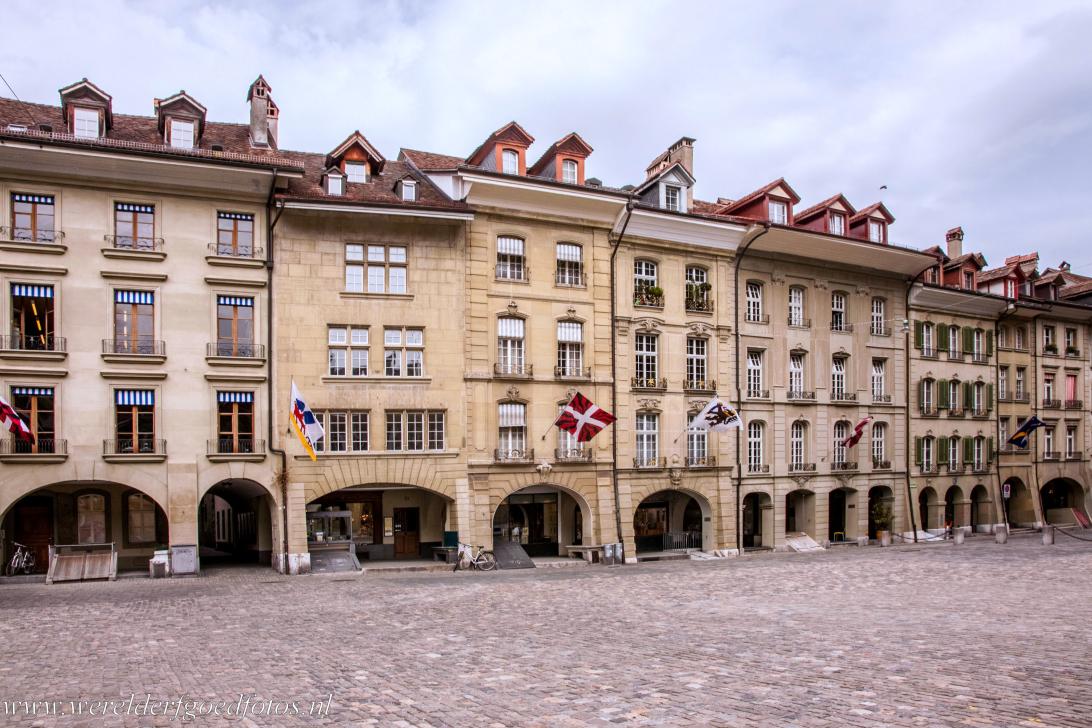
Old City of Bern: The arcades of the Münstergasse near the medieval Münsterplatz. Most of the streets in the city of Bern have arcades on both sides with restaurants and shops underneath: a true shoppers' paradise. They provide shelter during rainy days. These arcades, locally known as 'Lauben', have a total length of about six kilometres, making them the longest covered shopping area in Europe. The 15th-century arcades and 16th-century fountains are important parts of the UNESCO World Heritage Site: 'Old City of Berne'.

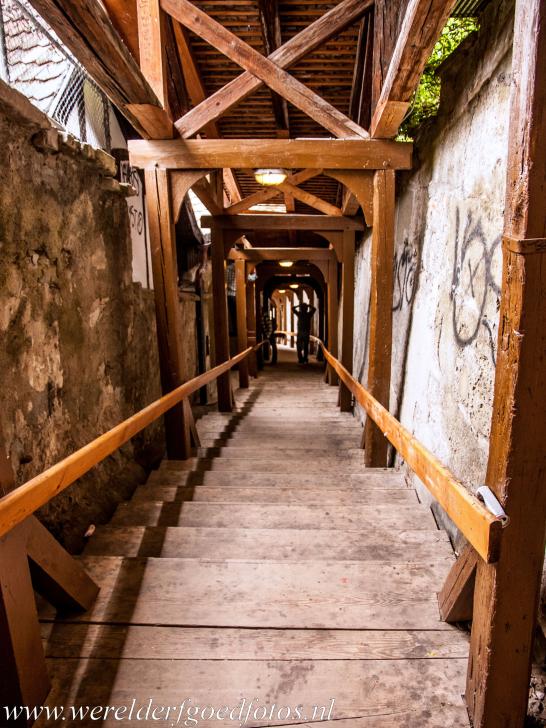
Old City of Bern: The 14th-century Fricktreppe (Frick Stairs) leads to the lower part of the Old City of Bern. This remarkable staircase has 183 wooden steps. The Frick Stairs are located close to the Münsterplatz (Minster Terrace) and several other historic monuments in the Old Town of Bern. The city is strategically situated on a narrow hill; the town consists of a lower part and an upper part. The Lower Town and the Upper Town of Bern are connected by the narrow covered wooden Frick Stairs and a modern lift.

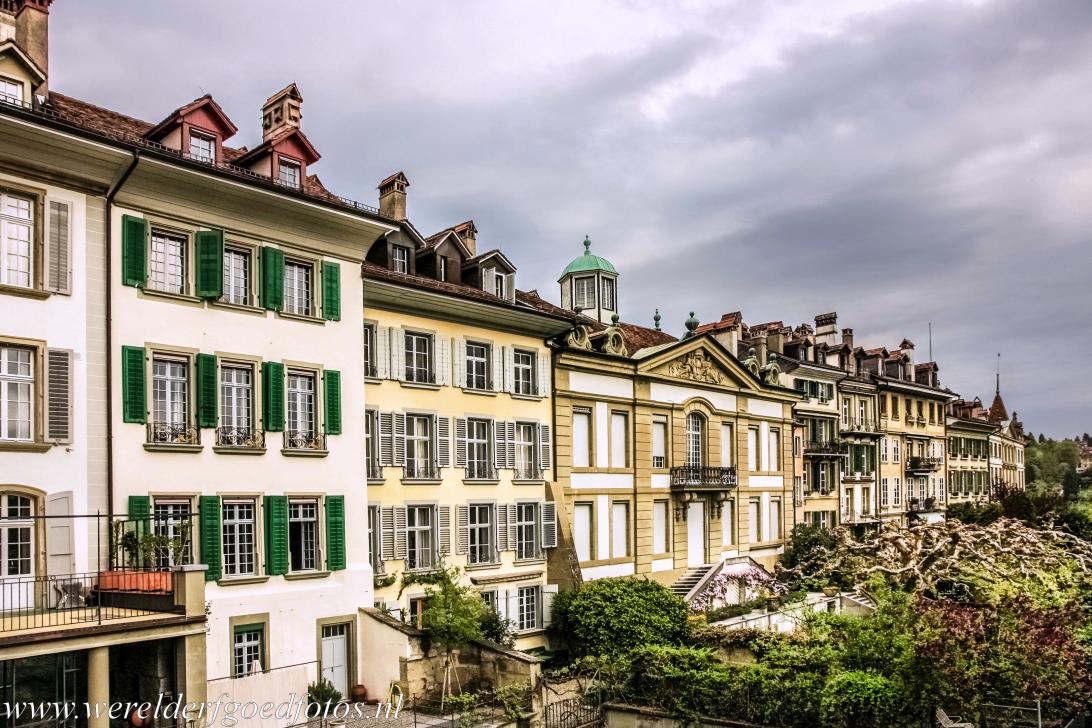
A row of houses in the Old City of Bern, viewed from the Münster Platform in the upper part of the city. The Münster Platform offers great views over the Old City of Bern, the Aare Valley and the lower part of the city. The lower part and the upper part of the city are connected by the wooden Frick Stairs, but also by a modern lift, called the Mattelift. This lift connects the Münster Platform (Minster Terrace) in the Upper Town with the Lower Town and the Matte District on the banks of the Aare.

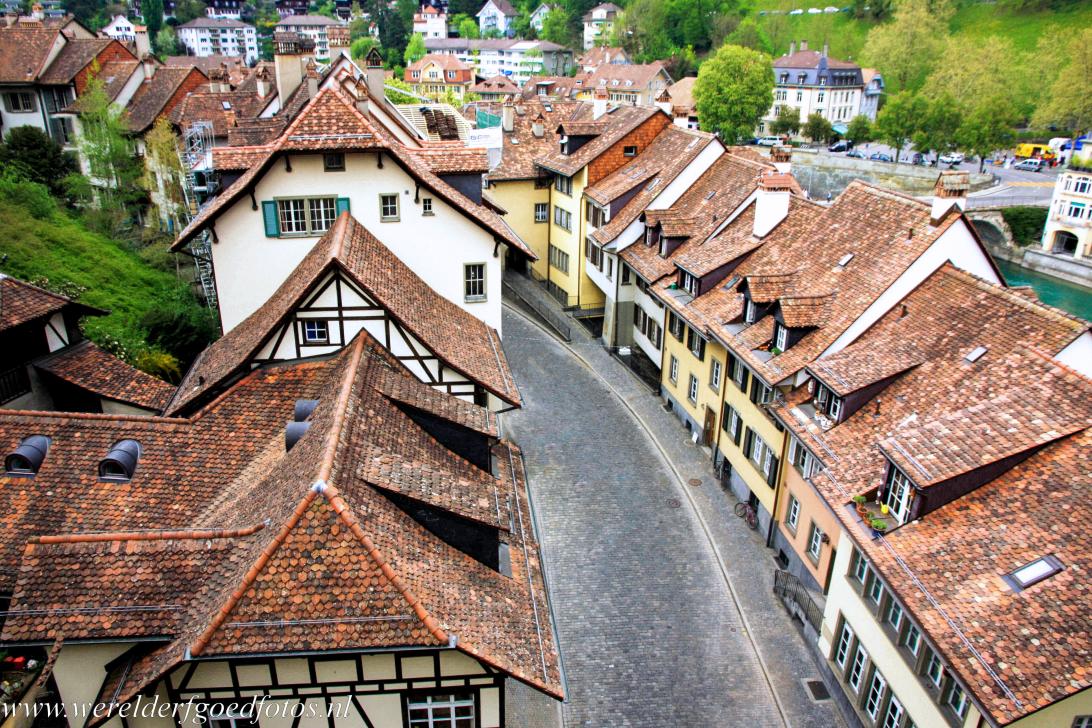
A cobbled street lined with medieval houses in the Matte District, viewed from the Münster Platform (Minster Terrace). The Matte District is a historic district in the Lower Town of the city. The Münster Platform was already built high above the River Aare between 1334 and 1434. This platform is a flat open area planted mainly with chestnut trees; it offers amazing views over the Aare and the historic Matte District. It is even possible to view the Swiss Alps on clear, sunny days. The platform is situated behind the Bern Minster.