World Heritage Photos

Trier, the Column of Igel

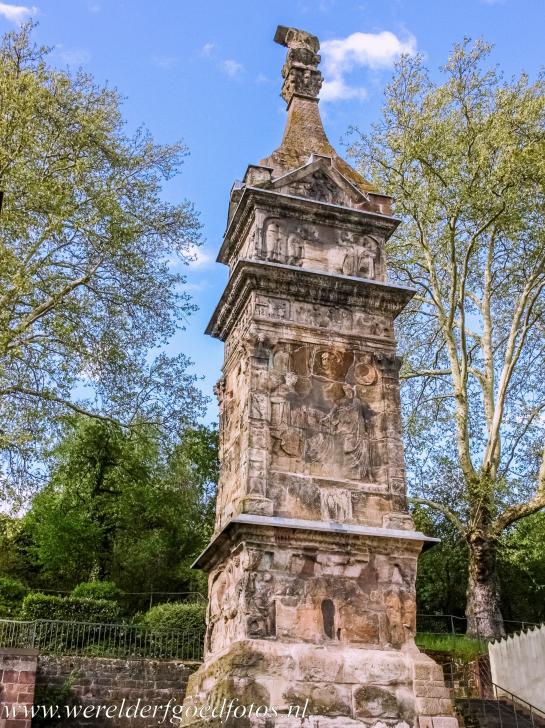
The Column of Igel (German: Igeler Säule) is the tallest Roman burial column north of the Alps. The column dates from around 250 AD. The column was made of sandstone and is 23 metres high. It is located eight km upriver from Trier on the river Moselle, in the small village of Igel in Germany. The Column of Igel was erected by two cloth merchants, the brothers Secundinius Aventinus and Secundinius Securus, to honor their deceased relatives. The square column is decorated with figures in bas-relief, which show scenes from Greek mythology and everyday life of the two brothers. The Column of Igel escaped destruction after the decline of the Roman Empire because in early Christian times, one of the reliefs was considered to be a depiction of the marriage of the parents of the Roman Emperor Constantine the Great, Emperor Constantius Chlorus I and Helena. Helena (c.250-c.330) was an important figure in the history of Christianity. The Column of Igel is part of the UNESCO World Heritage Site Roman monuments, Cathedral of St. Peter and the Church of Our Lady in Trier. In 1986, these monuments were inscribed on the UNESCO World Heritage List.

www.werelderfgoedfotos.nl   © Copyright   World Heritage Photos
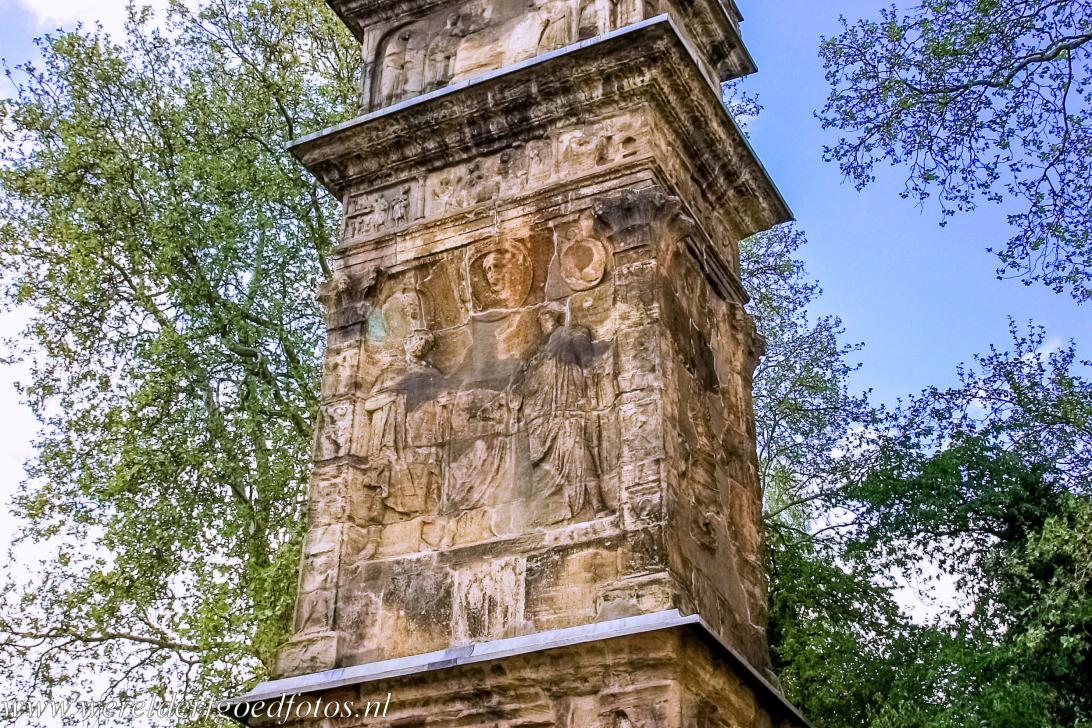
Trier, the Column of Igel - The Column of Igel dates from around 250 AD. The column was erected by two cloth merchants, the brothers Secundinius Aventinus and...

The Column of Igel dates from around 250 AD. The column was erected by two cloth merchants, the brothers Secundinius Aventinus and Secundinius Securus, to commemorate and honor their deceased relatives. The Column of Igel is decorated with figures in bas-relief, which show scenes from the Greek mythology and everyday life of the cloth merchants.
  1. Trier, the Column of Igel - The Column of Igel dates from around 250 AD. The column was erected by two cloth merchants, the brothers Secundinius Aventinus and...

    The Column of Igel dates from around 250 AD. The column was erected by two cloth merchants, the brothers Secundinius Aventinus and Secundinius Securus, to commemorate and honor their deceased relatives. The Column of Igel is decorated with figures in bas-relief, which show scenes from the Greek mythology and everyday life of the cloth merchants.
  2. Trier, the Column of Igel - The Column of Igel escaped destruction after the decline of the Roman Empire, because one of the reliefs was considered to be a representation of...

    The Column of Igel escaped destruction after the decline of the Roman Empire, because one of the reliefs was considered to be a representation of the marriage of Constantius I Chlorus and Helena of Constantinople, the parents of the Roman Emperor Constantine I, or Constantine the Great. He was the first Christian Emperor of the Roman Empire.

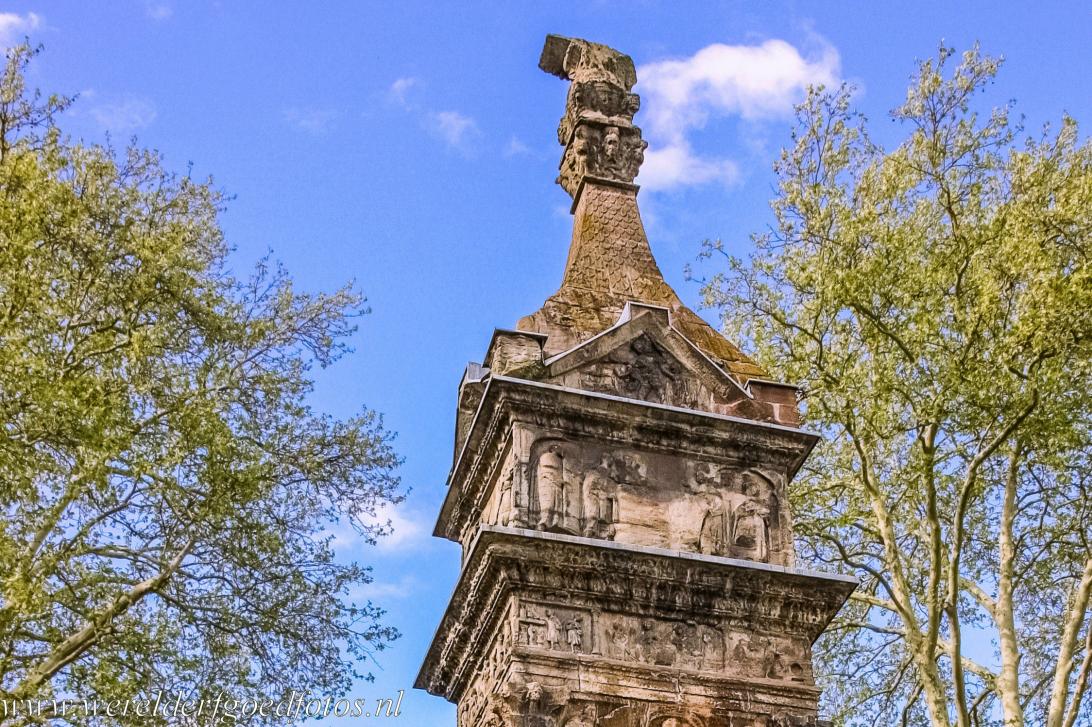
  3. Trier, the Column of Igel - The Column of Igel is crowned by a sculpture of Jupiter and Ganymede. The Column of Igel was also used as a Roman military boundary...

    The Column of Igel is crowned by a sculpture of Jupiter and Ganymede. The Column of Igel was also used as a Roman military boundary marker and milestone. The Column of Igel is part of the World Heritage: The Roman Monuments, Cathedral of St Peter and Church of Our Lady in Trier. They were declared a UNESCO World Heritage Site in 1986.

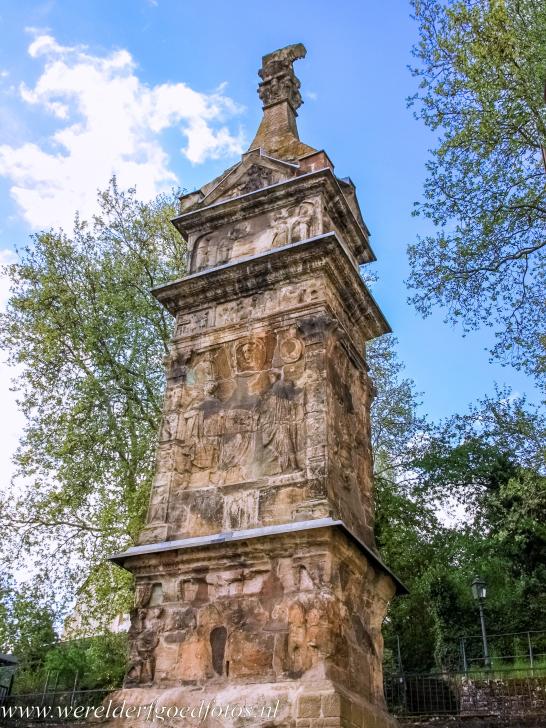
  4. Trier, the Column of Igel - The Column of Igel is the tallest Roman burial column north of the Alps. The square column was made of red and grey sandstone and...

    The Column of Igel is the tallest Roman burial column north of the Alps. The square column was made of red and grey sandstone and reaches a height of about 23 metres. The Roman column stands about 8 to 10 km southwest upriver from Trier along the Moselle River. It stands at the original location in the small German village of Igel. The unique Column of Igel is one of the best preserved Roman grave monuments.