City of Luxembourg

Old Quarters and Fortifications of the City of Luxembourg: De oude wijken en vestingwerken van de stad Luxemburg. Luxemburg was vanaf de 16de tot halverwege de 19de eeuw een van de meest versterkte steden van Europa. De stad was van strategisch belang om zijn ligging. De stad Luxemburg werd verstekt door opeenvolgende machthebbers: Het Heilige Roomse Rijk, het Bourgondische Rijk, de Habsburgers, Franse en Spaanse koningen en Pruisen. De versterkingen van de stad Luxemburg vormden een goed voorbeeld van militaire architectuur. De Petruskazematten werden in 1644 gebouwd. Bij de Bock-rots liggen de 16de eeuwse Bockkazematten. In de crypte van de Bockkazematten zijn de restanten van de 10de eeuwse burcht van graaf Siegfried te zien. In 1867 werd het groothertogdom Luxemburg een onafhankelijke staat. Dit leidde tot het gedeeltelijk slopen van de verdedigingswerken van de stad Luxemburg.

Het 16de eeuwse groothertogelijk paleis ligt in de oude stad van Luxemburg. Bij het hertogelijk paleis liggen de St. Michielskerk en de Onze-Lieve-Vrouwe kathedraal.

De oude wijken en vestingwerken van de stad Luxemburg werden in 1994 ingeschreven op de Werelderfgoedlijst van UNESCO als: City of Luxembourg: Old Quarters and Fortifications

www.werelderfgoedfotos.nl UNESCO World Heritage City of Luxembourg World Heritage Photos

 De oude wijken en vestingwerken van Luxemburg stad werden in 1994 ingeschreven op 
 de UNESCO Werelderfgoedlijst als:  City of Luxembourg: Old Quarters and Fortifications.

De oude wijken en vestingwerken van Luxemburg stad werden in 1994 ingeschreven op

de UNESCO Werelderfgoedlijst als: City of Luxembourg: Old Quarters and Fortifications.

 De oude wijken en vestingwerken van Luxemburg stad werden in 1994 ingeschreven op 
 de UNESCO Werelderfgoedlijst als:  City of Luxembourg: Old Quarters and Fortifications.

De oude wijken en vestingwerken van Luxemburg stad werden in 1994 ingeschreven op

de UNESCO Werelderfgoedlijst als: City of Luxembourg: Old Quarters and Fortifications.

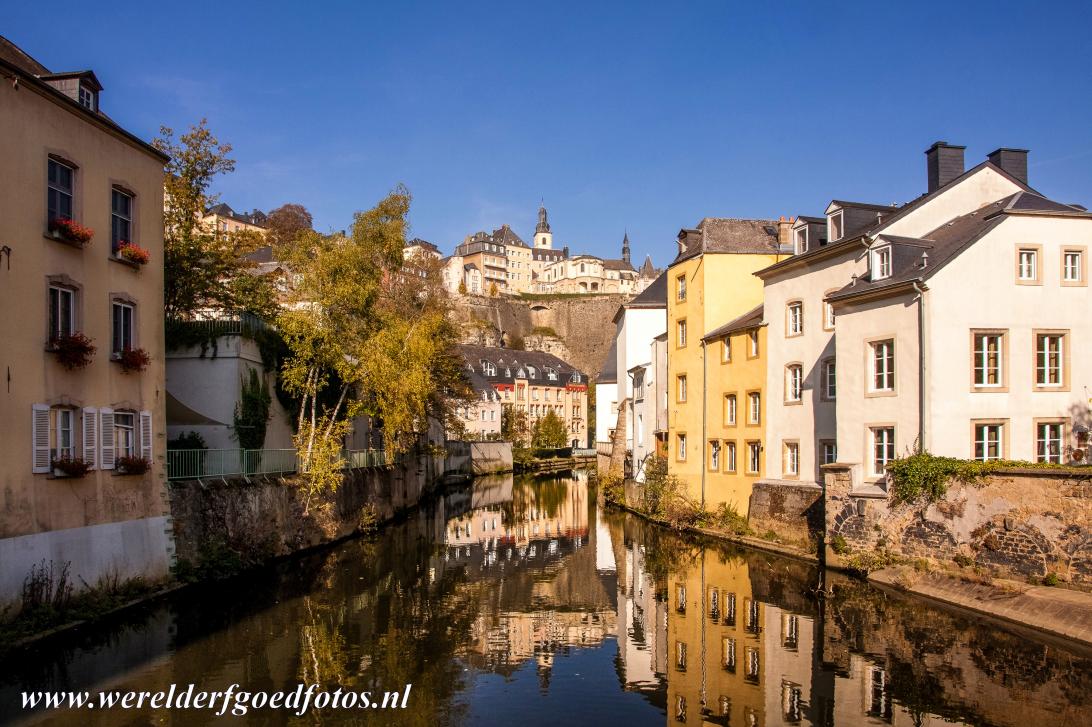
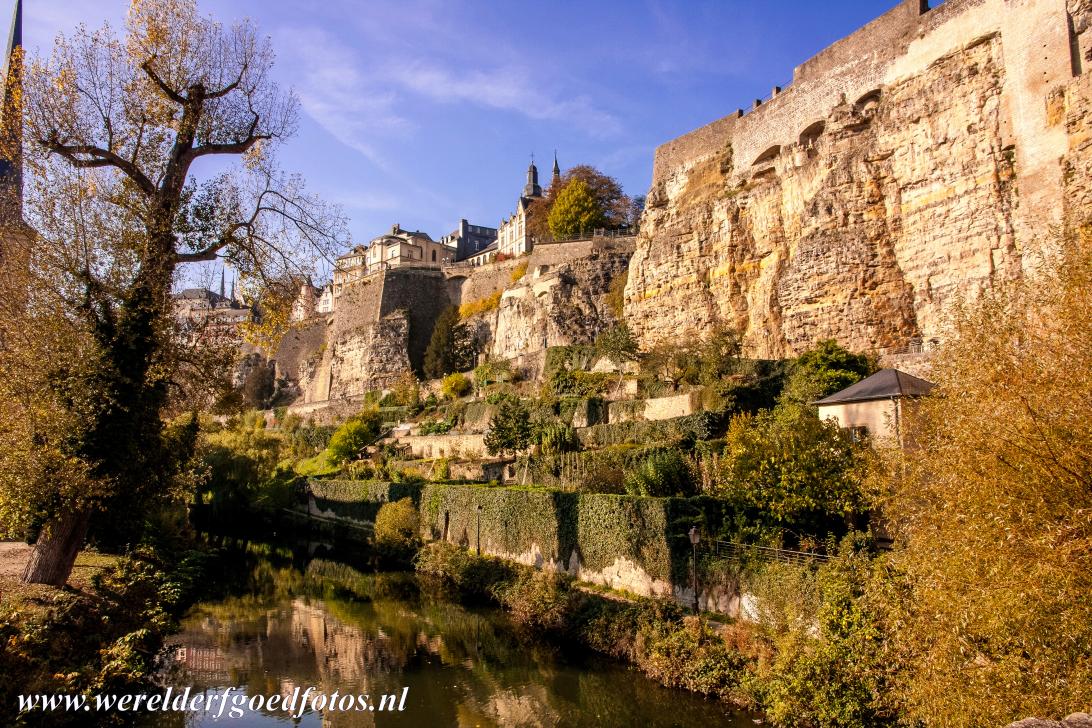
  City of Luxembourg and the Old Quarters and Fortifications: The City of   Luxembourg   
  and the Bock the fortifications seen from the 'Grund'.  
  The 'Grund' is the lower part of the City of Luxembourg. The 'Grund' is one of the  
  oldest parts of the City of Luxembourg. It is located below the city on the banks  
  of the Alzette River.

City of Luxembourg and the Old Quarters and Fortifications: The City of Luxembourg

and the Bock the fortifications seen from the 'Grund'.

The 'Grund' is the lower part of the City of Luxembourg. The 'Grund' is one of the

oldest parts of the City of Luxembourg. It is located below the city on the banks

of the Alzette River.

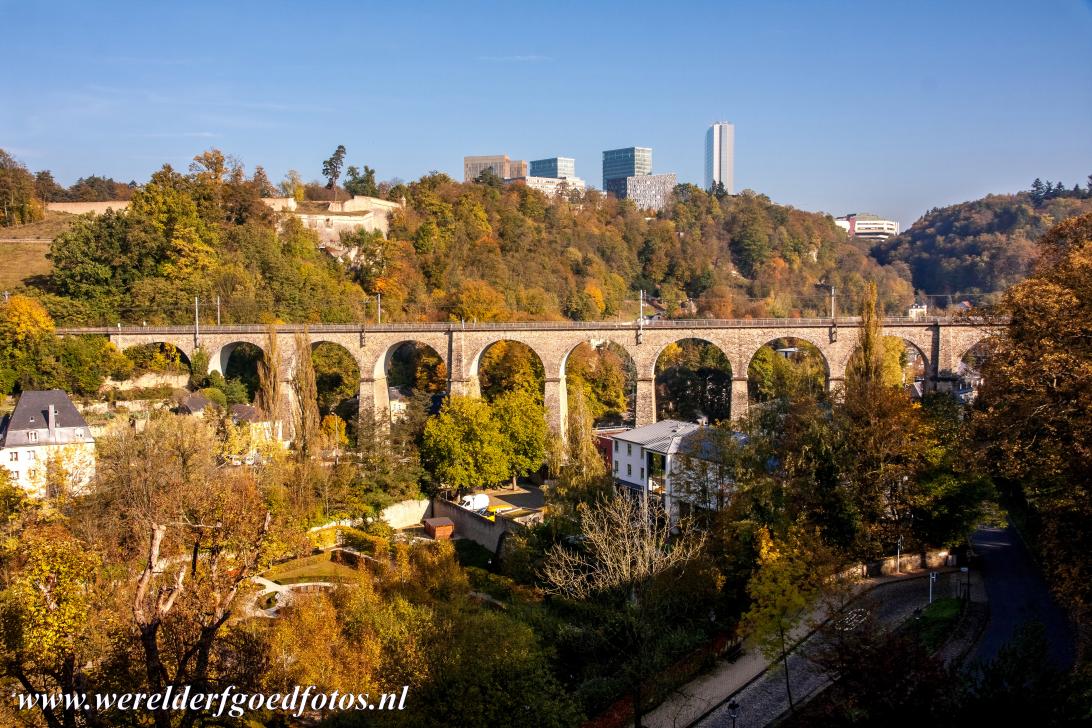
  City of Luxembourg and the Old Quarters and Fortifications: The Adolphe Bridge.  
  The Adolphe Bridge, Pont d'Adolphe, was inaugurated in 1903.   
  It was once the largest stone bridge in the world with a lenght of 230 meter.

City of Luxembourg and the Old Quarters and Fortifications: The Adolphe Bridge.

The Adolphe Bridge, Pont d'Adolphe, was inaugurated in 1903.

It was once the largest stone bridge in the world with a lenght of 230 meter.

 
 De oude wijken en vestingwerken van de stad Luxemburg werden in 1994 ingeschreven 
 op de Werelderfgoedlijst van UNESCO als: 
  City of Luxembourg: Old Quarters and Fortifications.  
 
     
  City of Luxembourg and the Old Quarters and Fortifications:

De oude wijken en vestingwerken van de stad Luxemburg werden in 1994 ingeschreven

op de Werelderfgoedlijst van UNESCO als:

City of Luxembourg: Old Quarters and Fortifications.


City of Luxembourg and the Old Quarters and Fortifications:

  City of Luxembourg and the Old Quarters and Fortifications:

City of Luxembourg and the Old Quarters and Fortifications:

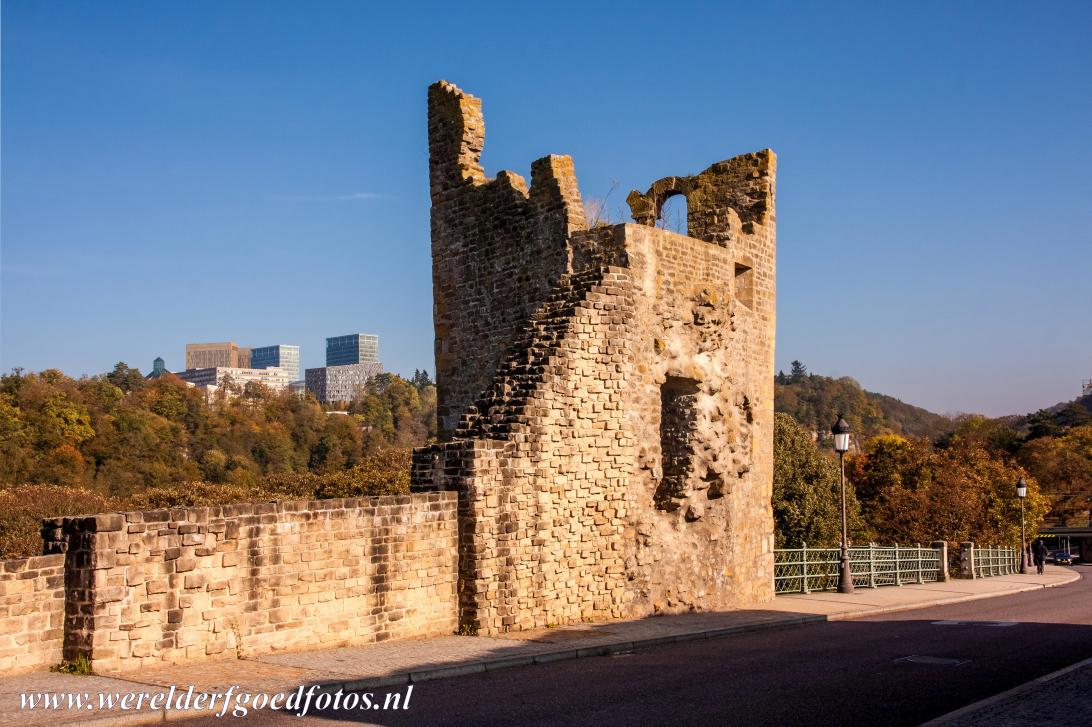
  City of Luxembourg and the Old Quarters and Fortifications: The 'Hollow Tooth' is  
  the ruin of an old castle.

City of Luxembourg and the Old Quarters and Fortifications: The 'Hollow Tooth' is

the ruin of an old castle.

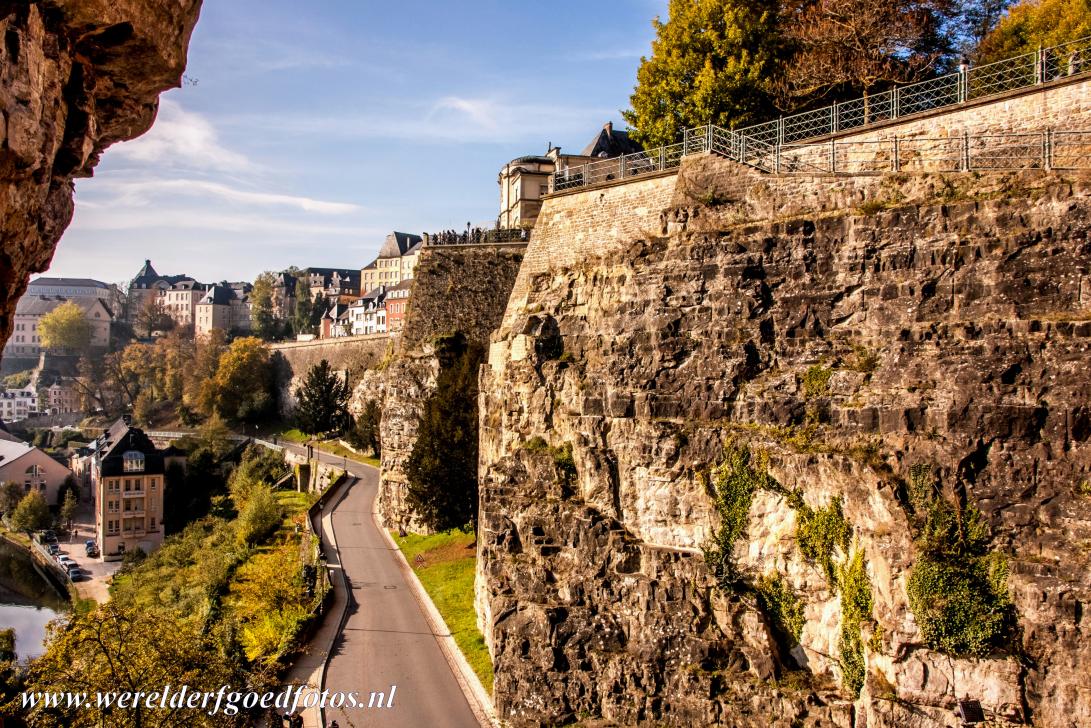
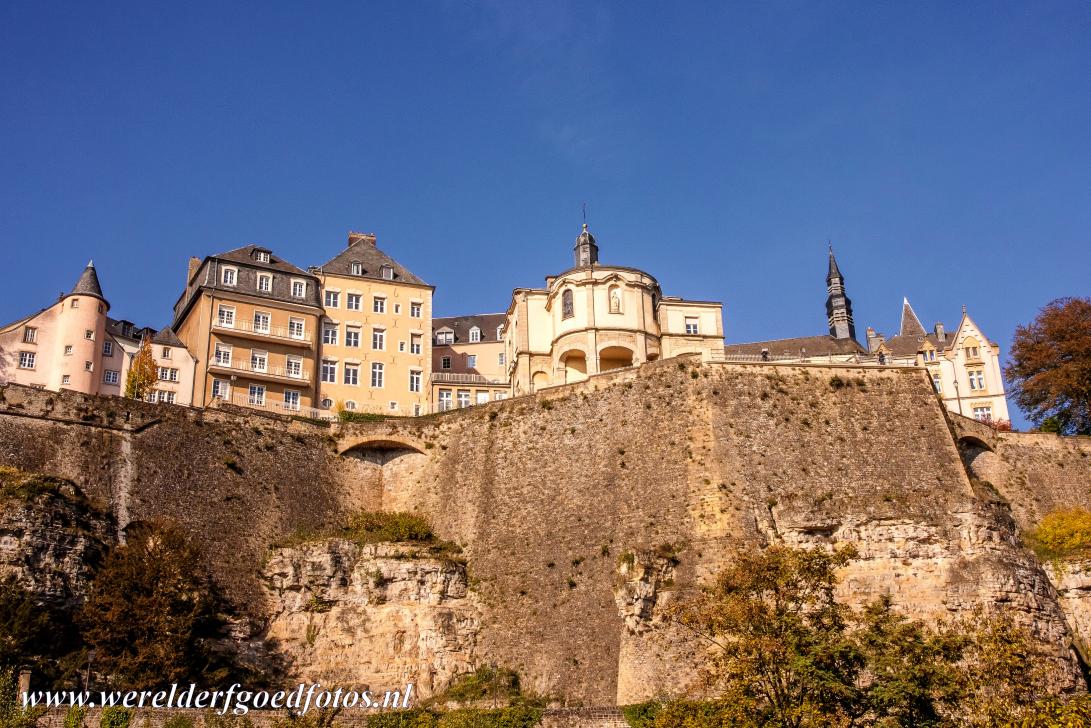
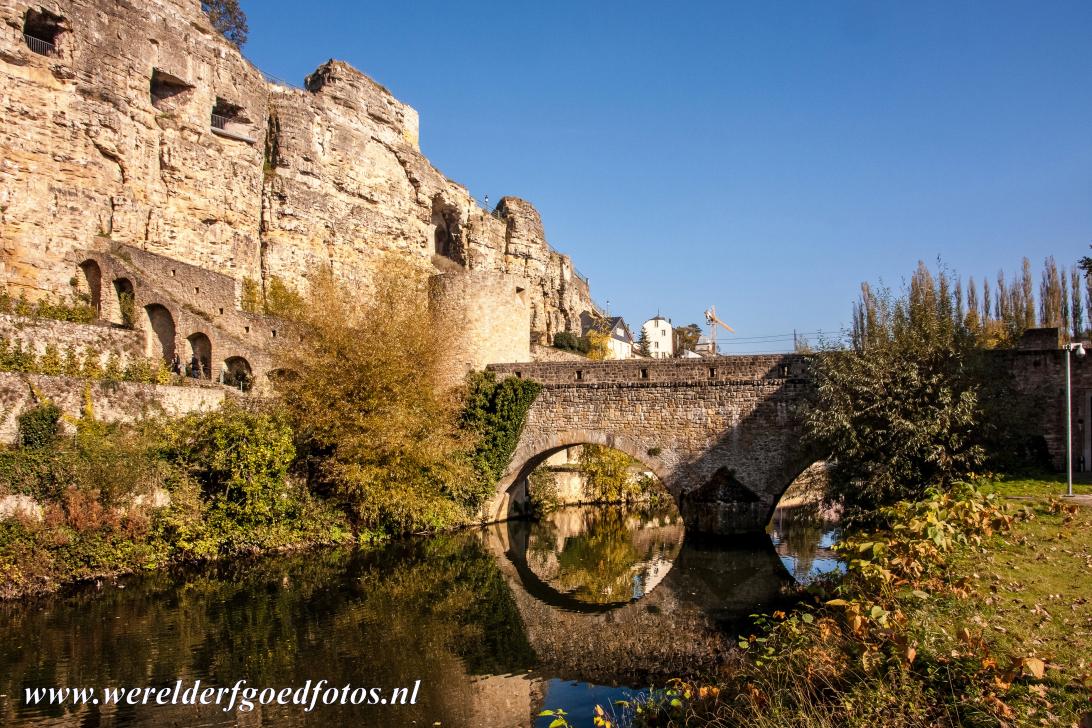
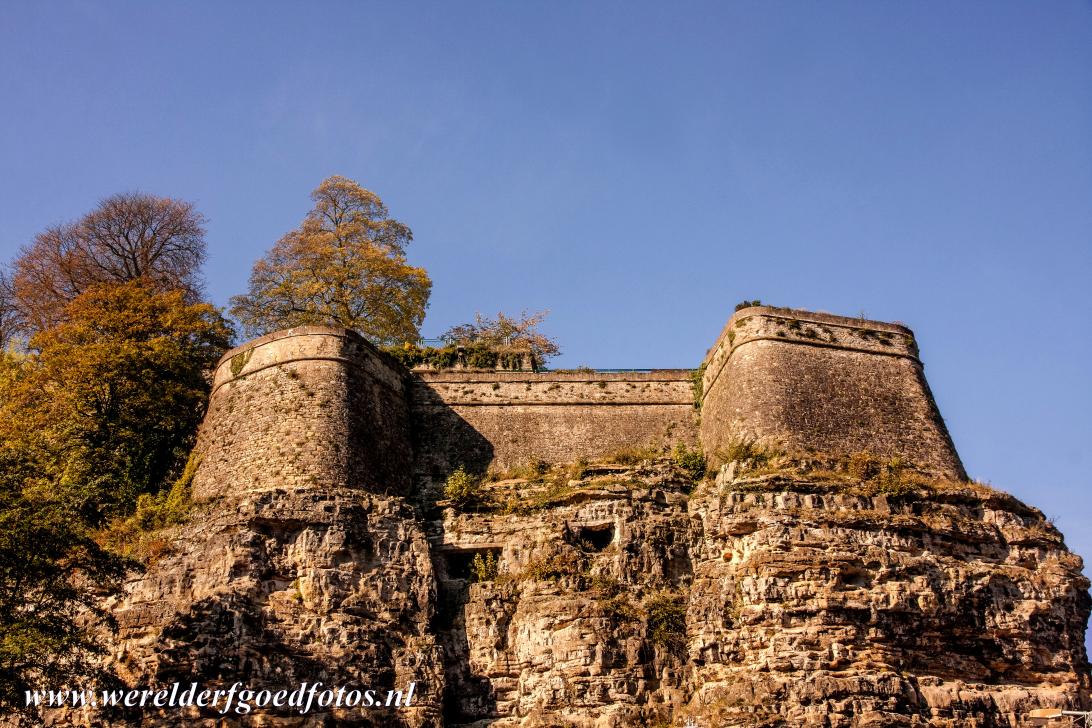
  City of Luxembourg and the Old Quarters and Fortifications: The Bock fortifications.  
  In 963 Count Siegfried built his castle on the Bock Rock. This castle was the birth  
  of Luxembourg. The remains of the castle   were discovered in the Bock fortifications.

City of Luxembourg and the Old Quarters and Fortifications: The Bock fortifications.

In 963 Count Siegfried built his castle on the Bock Rock. This castle was the birth

of Luxembourg. The remains of the castle were discovered in the Bock fortifications.

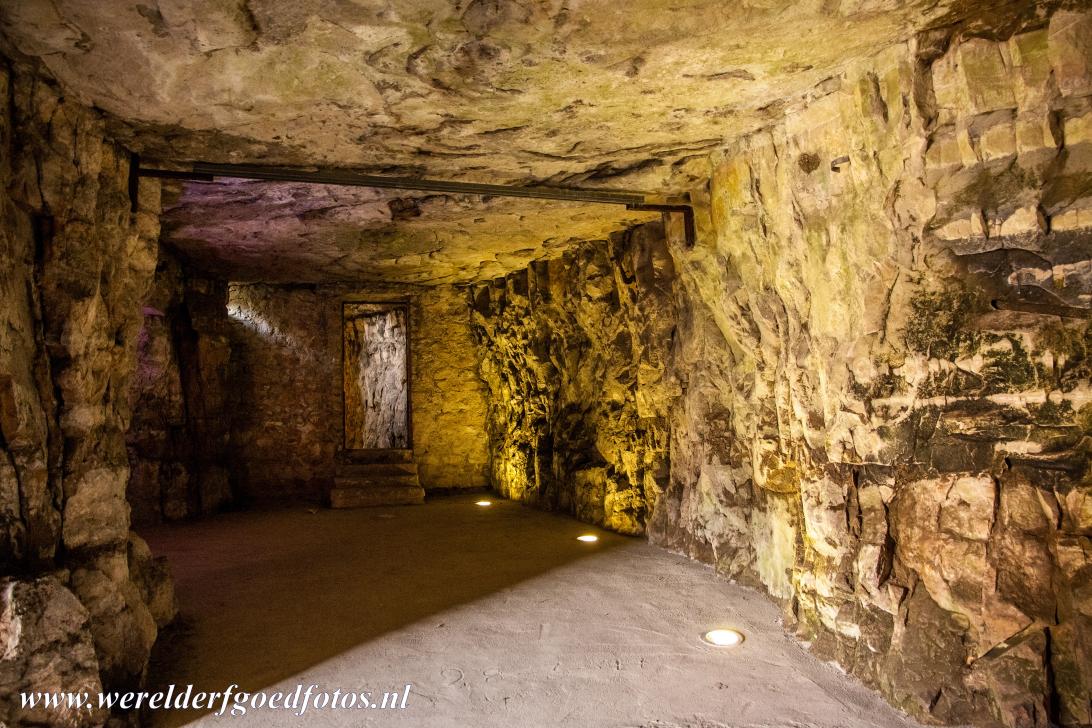
  City of Luxembourg and the Old Quarters and Fortifications: Inside the Bock casemates.  
  Un underground tunnel system of 23 km was built in the 18th century in the Bock   
  fortifications. It allowed to move soldiers and supplies without any risk from enemy fire.

City of Luxembourg and the Old Quarters and Fortifications: Inside the Bock casemates.

Un underground tunnel system of 23 km was built in the 18th century in the Bock

fortifications. It allowed to move soldiers and supplies without any risk from enemy fire.

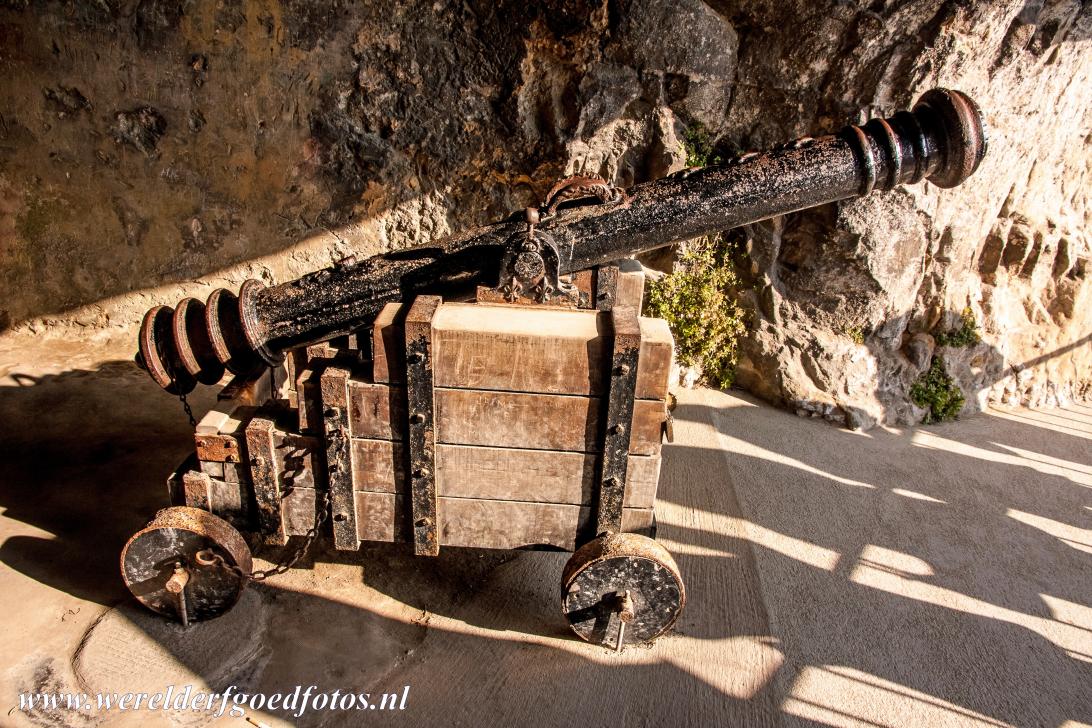
  City of Luxembourg and the Old Quarters and Fortifications: A cannon inside  
  the Bock fortifications.

City of Luxembourg and the Old Quarters and Fortifications: A cannon inside

the Bock fortifications.

  City of Luxembourg and the Old Quarters and Fortifications: The Neumünster Abbey.  
  In the 'Grund' there are some of the oldest houses of the City of Luxembourg.  
  The 'Grund' is the lower part of the City of Luxembourg.

City of Luxembourg and the Old Quarters and Fortifications: The Neumünster Abbey.

In the 'Grund' there are some of the oldest houses of the City of Luxembourg.

The 'Grund' is the lower part of the City of Luxembourg.

  City of Luxembourg and the Old Quarters and Fortifications: The Bock fortifications  
  and the Stiechen Bridge.

City of Luxembourg and the Old Quarters and Fortifications: The Bock fortifications

and the Stiechen Bridge.

 
 De oude wijken en vestingwerken van de stad Luxemburg staan op de 
 
 UNESCO Werelderfgoedlijst als:  City of Luxembourg: Old Quarters and Fortifications.  
     
  City of Luxembourg and the Old Quarters and Fortifications: The Bock fortifications.

De oude wijken en vestingwerken van de stad Luxemburg staan op de

UNESCO Werelderfgoedlijst als: City of Luxembourg: Old Quarters and Fortifications.


City of Luxembourg and the Old Quarters and Fortifications: The Bock fortifications.

  City of Luxembourg and the Old Quarters and Fortifications: The Petrusse casemates.  
  The Petrusse casemates are situated along the Petrusse Valley.

City of Luxembourg and the Old Quarters and Fortifications: The Petrusse casemates.

The Petrusse casemates are situated along the Petrusse Valley.

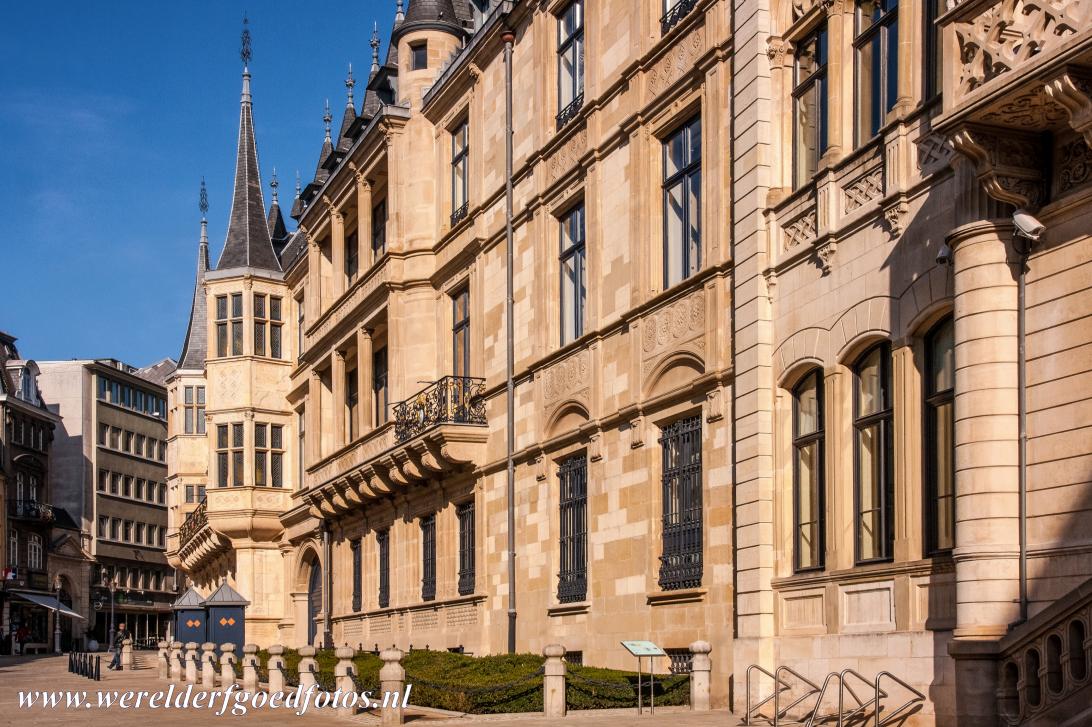
  City of Luxembourg and the Old Quarters and Fortifications: The Grand-Ducal Palace.  
  The Grand-Ducal Palace of Luxembourg was built in 1554.

City of Luxembourg and the Old Quarters and Fortifications: The Grand-Ducal Palace.

The Grand-Ducal Palace of Luxembourg was built in 1554.

  City of Luxembourg and the Old Quarters and Fortifications:

City of Luxembourg and the Old Quarters and Fortifications:

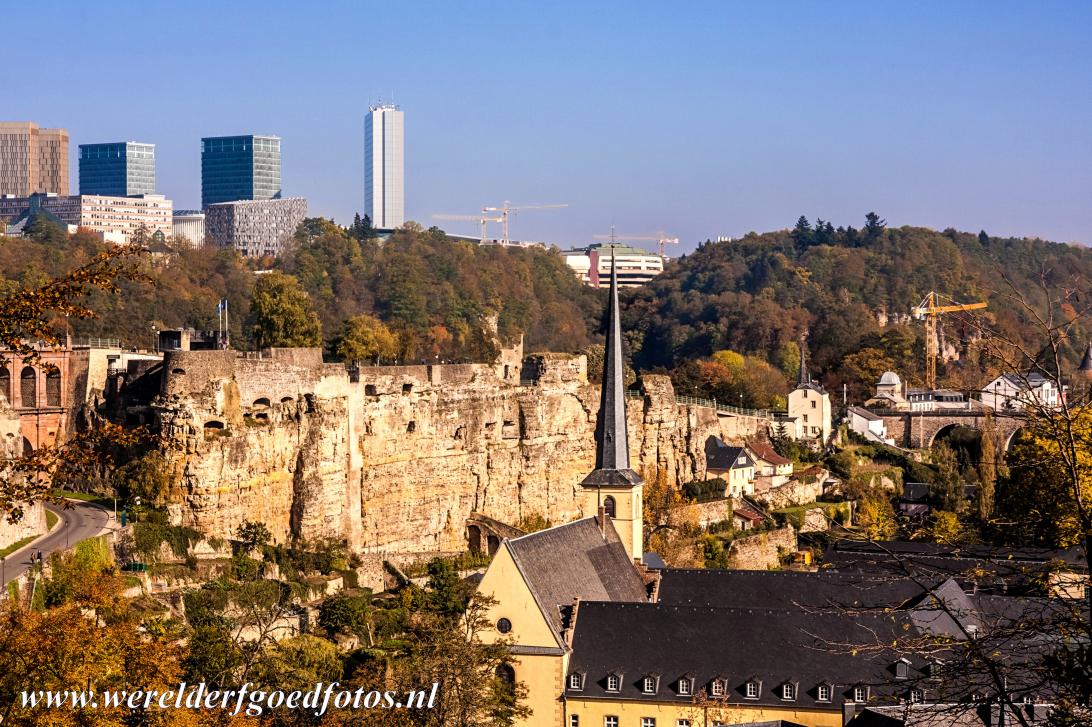
 De torenspits van de Neumünster met op de achtergrond de vestingwerken en de 
 Bockkazematten van de stad Luxemburg. 
 De oude wijken en vestingwerken van de stad Luxemburg werden in 1994 een 
 Werelderfgoed van UNESCO .  
     
  City of Luxembourg: The Neumünster Abbey and the Bock fortifications.  
  City of Luxembourg: Old Quarters and Fortifications became an  
  UNESCO World Heritage Site in 1994.

De torenspits van de Neumünster met op de achtergrond de vestingwerken en de

Bockkazematten van de stad Luxemburg.

De oude wijken en vestingwerken van de stad Luxemburg werden in 1994 een

Werelderfgoed van UNESCO.
 

City of Luxembourg: The Neumünster Abbey and the Bock fortifications.

City of Luxembourg: Old Quarters and Fortifications became an

UNESCO World Heritage Site in 1994.